Wind Power Achieves Record Generation, Batteries Surpass Gas Output
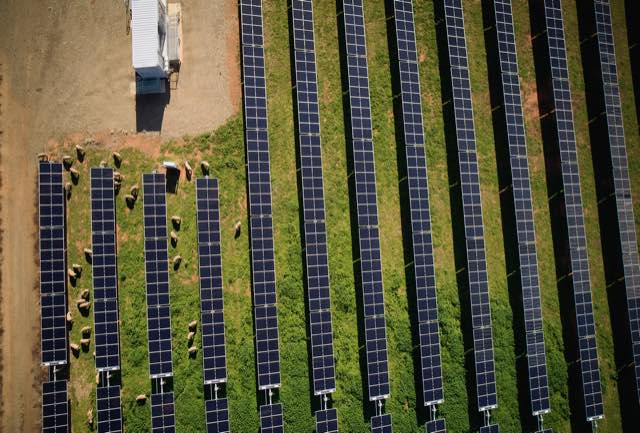
In March, Australia’s wind and solar farms produced 4.7 terawatt-hours (TWh) of renewable energy, marking an increase from 4.6 TWh in the same month last year, as the reliance on gas continues to lessen.
The latest monthly report from Rystad Energy highlights Queensland as the leading state for wind and solar energy production, which together generated 1,300 gigawatt-hours (GWh) — nearly evenly split between 676 GWh from utility-scale solar and 624 GWh from wind sources.
Record Wind Generation in Queensland
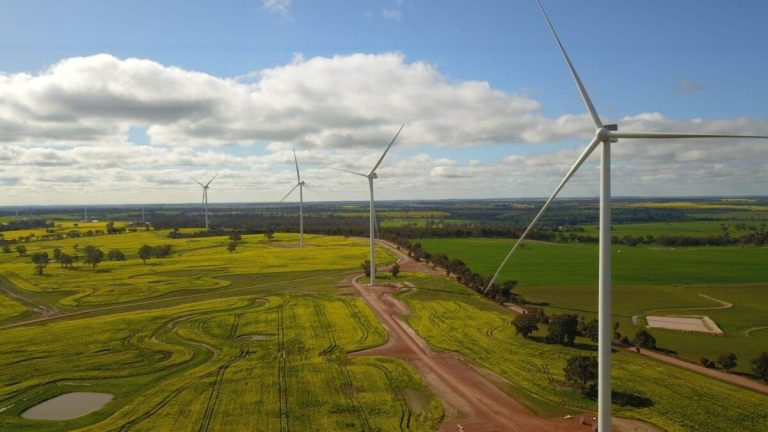
David Dixon, an analyst at Rystad Energy, shared on LinkedIn that this March stands out as Queensland’s highest month for wind energy generation to date, also making it the first time the state has held the second position for monthly wind output.
However, March proved to be a less fruitful month for wind generation across the other National Electricity Market (NEM) states, particularly in Victoria, which recorded a capacity factor of only 18.6 per cent — one of the lowest since 2011.
Top Performing Wind and Solar Assets
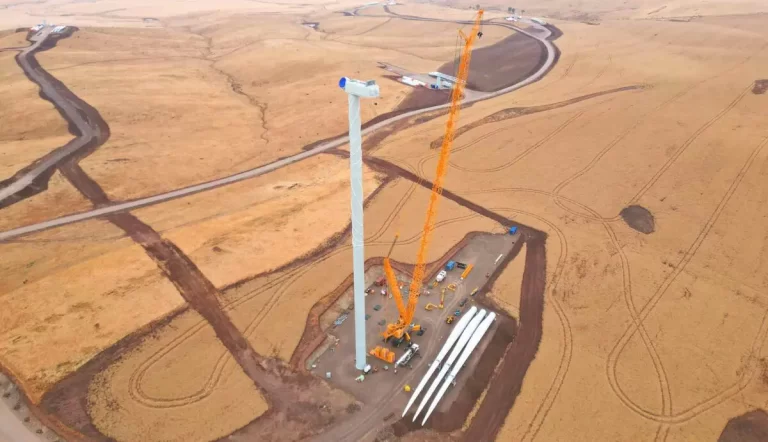
According to Dixon, the five best-performing wind farms for the month were all located in Western Australia and Queensland, with the notable Warradarge wind farm in WA achieving a capacity factor of 56.7 per cent.
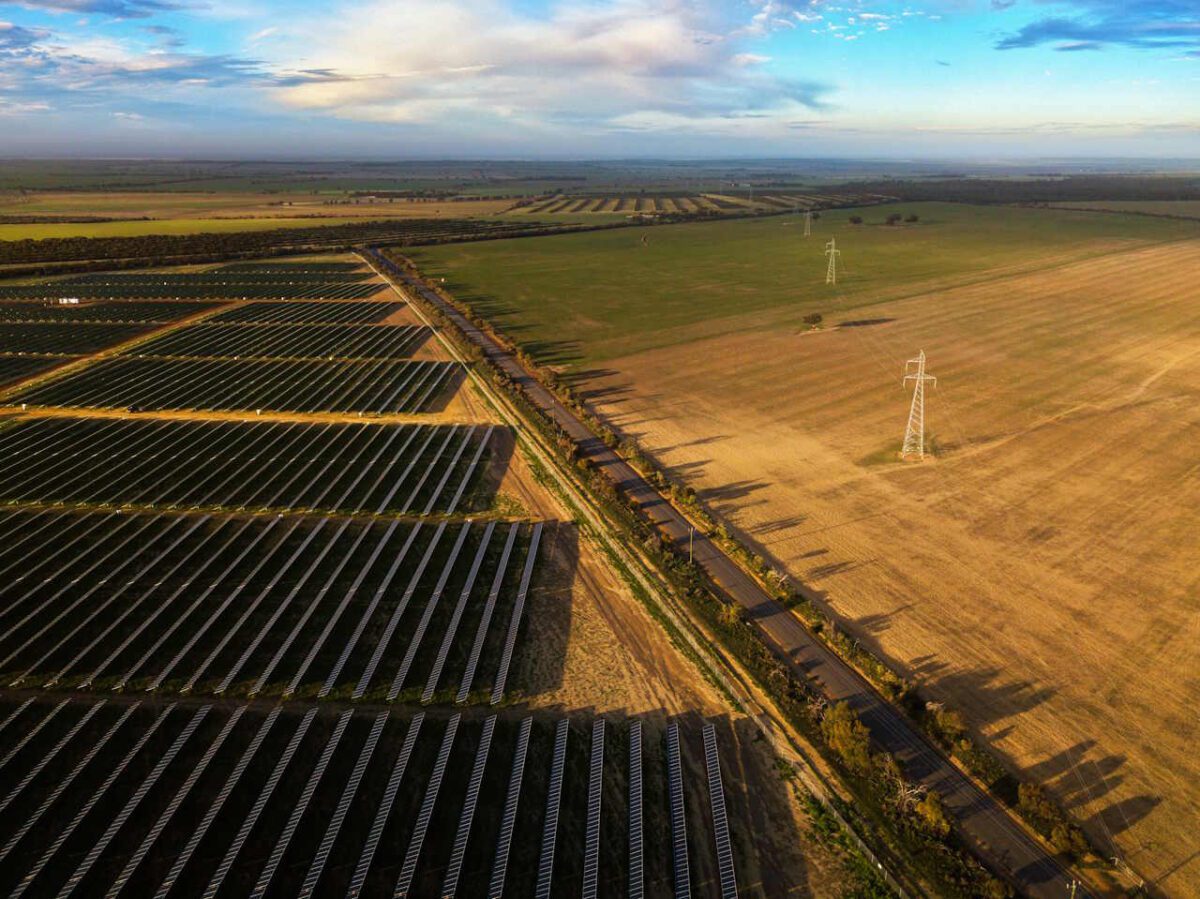
The solar sector also mirrored this trend, as the leading five solar assets in March were from Queensland and Western Australia, topped by the Columboola solar farm situated in Queensland’s Western Downs, boasting a capacity factor of 32.4 per cent.
Growth in Battery Storage Capacity
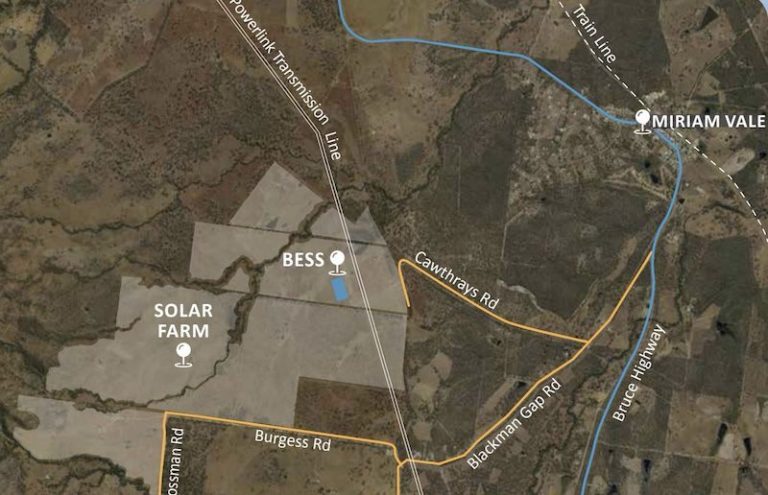
Battery energy storage capacity has expanded to 8.9 GW across various stages of commissioning and operation, according to Dixon, and these large batteries are now routinely delivering more energy than the nation’s gas turbine fleet.
On the gas generation front, there is a continuous year-on-year downturn, contributing approximately 540 GWh last March compared to 631 GWh in March 2025.
Future Outlook on Gas Consumption
Dixon remarks that the figures from March 2026 come amid relatively low operational demand, around 20.7 gigawatts (GW). Only March of 2020 and 2021 recorded lower demand since 2011.
The upcoming winter months, when renewable generation typically decreases, will be telling. Batteries will charge from daytime coal and renewable sources, providing energy to displace gas during times of peak demand in the evening, which will be particularly interesting to monitor.