Wind and Solar Surpass Fossil Fuels in EU Electricity Generation for the First Time
A recent report released on Thursday indicates that, for the first time, wind and solar energy have outperformed fossil fuels in electricity generation within the European Union.
The latest European Electricity Review, published by the global energy think tank Ember, reveals that wind and solar combined accounted for a remarkable 30 per cent of the EU’s electricity output, while fossil fuels contributed a slightly lower 29 per cent.
Significant Milestone for Clean Energy
Dr. Beatrice Petrovich, a senior energy analyst at Ember and the report’s lead author, remarked, “This milestone moment demonstrates the rapid progression towards a power system in the EU that is increasingly reliant on wind and solar energy.” She further noted that with the instability stemming from fossil fuel dependency on a global scale, the urgency for a transition to clean energy has never been clearer.
2025 Energy Landscape Overview
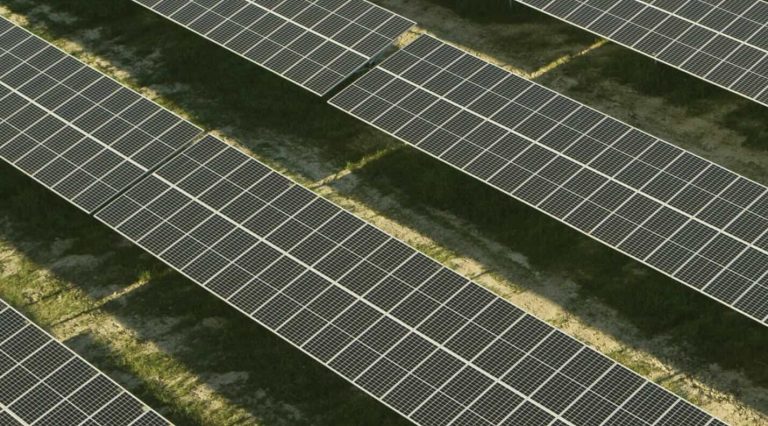
The European Electricity Review offers an extensive analysis of the EU’s power system projected for 2025, detailing comprehensive electricity generation and demand data across all 27 member states. Ember attributes the crossover, with wind and solar surpassing fossil fuels, to a remarkable surge in solar power, which has increased by 62 terawatt-hours (TWh), equivalent to a 20.1 per cent rise compared to 2024.
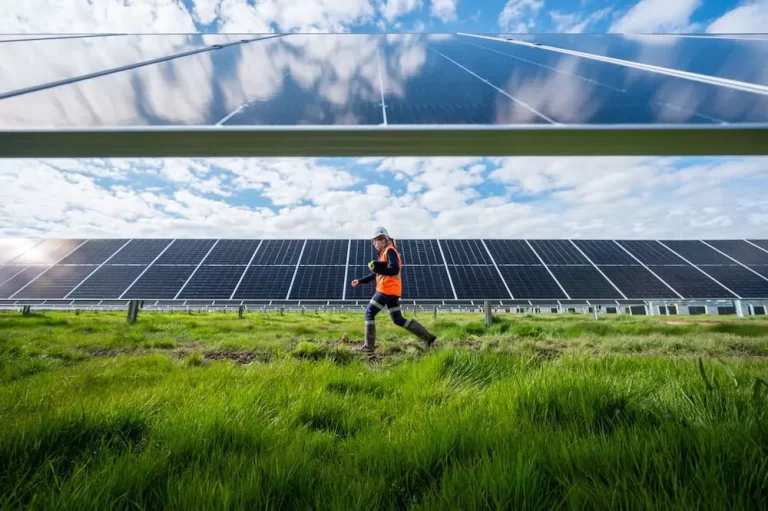
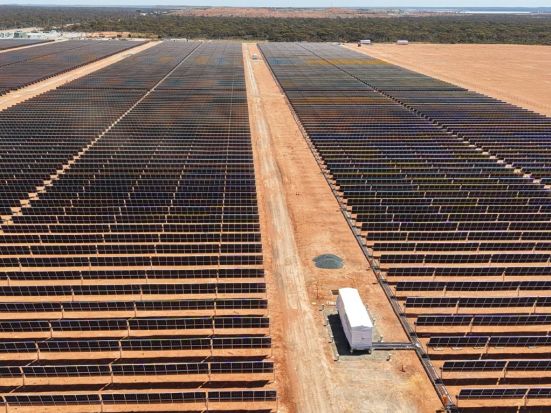
In 2025, solar energy generated an all-time high of 369 TWh, more than doubling the output from 2020, and demonstrating consistent average growth of 21 per cent annual increase over the past five years.
Broad Success in Solar Generation
This solar expansion wasn’t limited to a few key nations but was widespread across all EU countries, each experiencing a rise in solar output compared to the previous year. Some nations, like Hungary, Cyprus, Greece, Spain, and the Netherlands, saw solar energy account for over 20 per cent of their electricity supply.
Moreover, wind and solar energy produced more electricity than all fossil sources in 14 of the EU’s 27 nations during 2025, while all renewable energy sources collectively generated nearly half of the EU’s total power (48 per cent), despite “unusual weather conditions” affecting hydroelectric production, which fell by 12 per cent, and wind generation, which decreased by 2 per cent.
Impact of Gas Generation on Prices
Wind energy remained a key player as the second-largest source of electricity within the EU, representing 17 per cent of the total output. However, the decline in hydro generation opened avenues for gas power, which saw an increase of 34 TWh, or an 8 per cent rise, in 2025. Despite this uptick, Ember’s analysis indicates a long-term decline in gas use, remaining 18 per cent below its peak in 2019.
This increase in gas generation contributed to a hike in the EU’s gas import costs, which reached €32 billion in 2025—16 per cent higher than the previous year. Consequently, periods of elevated gas usage led to significant spikes in electricity prices across the EU, with average costs rising by 11 per cent in those hours compared to 2024.
Future Challenges and Opportunities
Dr. Petrovich emphasised the urgent need to reduce the EU’s dependency on expensive, imported gas, stating, “Gas not only creates vulnerability to energy blackmail but also escalates costs.” She noted that in 2025, there were early indicators of increased utilisation of battery storage systems to shift locally generated renewable energy to peak gas usage hours. Should this trend continue, it could potentially reduce the amount of gas required during evenings, thereby stabilising prices.
She advocates for strategic investments across the power system to harness the capabilities of batteries, grids, and electrification technology, enabling the EU to leverage domestic renewable energy sources to enhance price stability and protect against energy blackmail.
The Decline of Coal
Additionally, Ember’s analysis pointed out the ongoing decline of coal as a power source, dropping to a historic low of 9.2 per cent of overall generation in the EU. This decline is particularly pronounced in 19 EU nations, where coal accounts for none or less than 5 per cent of energy production. Even the EU’s largest coal-producing countries, Germany and Poland, have seen coal generation fall to unprecedented lows.