Wind and Solar Surpass Fossil Fuels in EU Electricity Generation for First Time in 2025
A recent report released on Thursday indicates that, for the first time, wind and solar energy combined to produce more electricity in the European Union than all fossil fuel sources. The latest edition of the European Electricity Review, put together by the global energy think tank Ember, reveals that renewable sources accounted for an impressive 30 per cent of the EU’s power, while fossil fuels trailed at 29 per cent.
This landmark achievement highlights the swift shift towards a renewable energy system across the EU. Dr. Beatrice Petrovich, a senior energy analyst at Ember and lead author of the report, remarked, “This milestone moment shows just how rapidly the EU is moving towards a power system backed by wind and solar.” She further added, “As fossil fuel dependencies feed instability on the global stage, the stakes of transitioning to clean energy are clearer than ever.”
A Groundbreaking Overview of the EU Power System
The European Electricity Review delivers a thorough examination of the EU’s power grid as it stands in 2025, analysing comprehensive data on electricity generation and demand across all 27 member states. Ember attributes the remarkable achievement of wind and solar surpassing fossil fuel generation largely to a dramatic increase in solar output, which rose by 62 terawatt-hours (TWh) or 20.1 per cent over the preceding year.
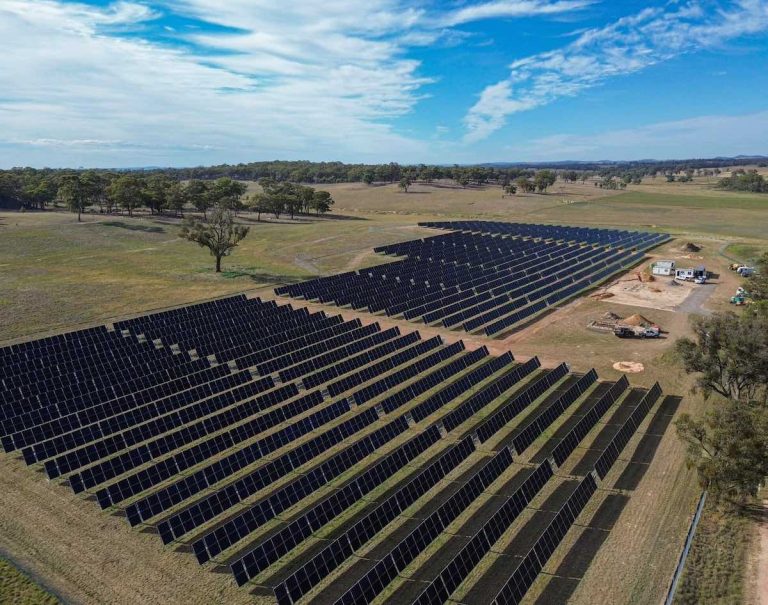
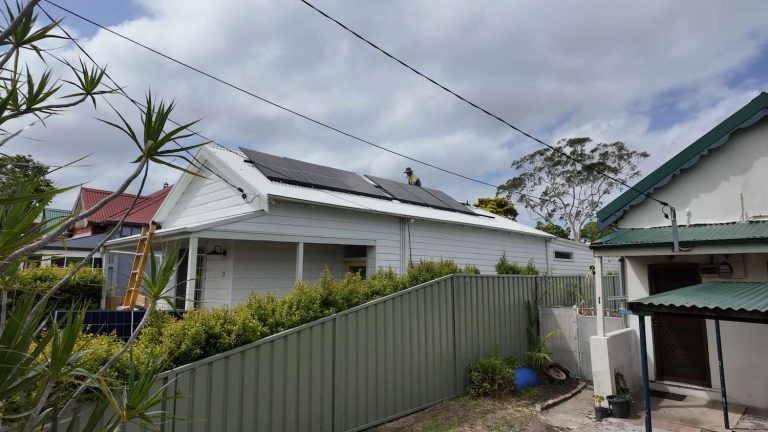
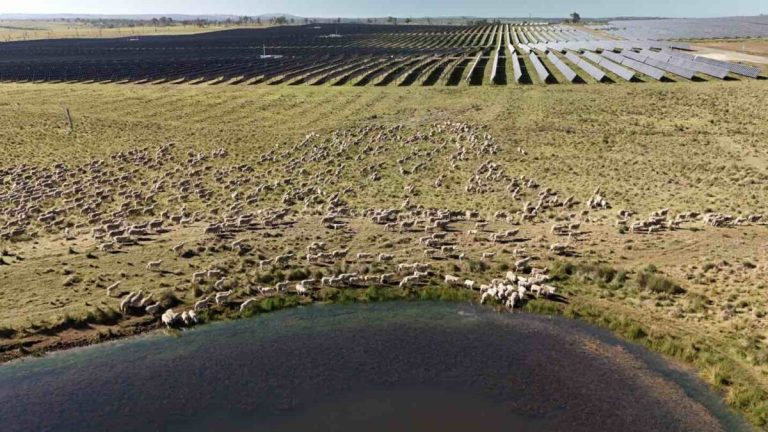
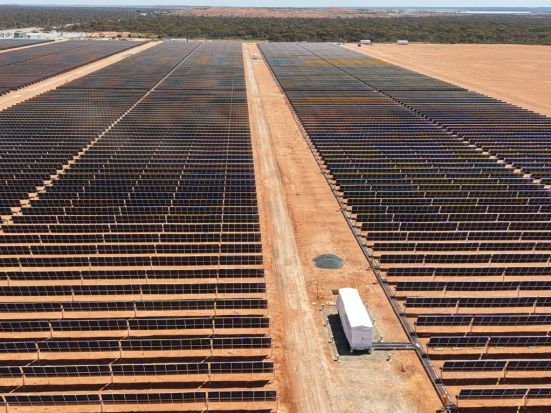
In 2025, solar energy across the EU reached a record-breaking 369 TWh, more than doubling its output since 2020, and maintaining an annual growth trend of 21 per cent over the last five years. This rise wasn’t concentrated solely in a few stronghold nations; every EU member state experienced an increase in solar power production compared to the year before.
Solar Power Dominance Across EU
Despite the widespread growth, certain countries stood out, with solar power supplying over a fifth of electricity in Hungary, Cyprus, Greece, Spain, and the Netherlands. Wind and solar collectively generated more electricity than all fossil fuel sources in 14 of the 27 EU countries in 2025.
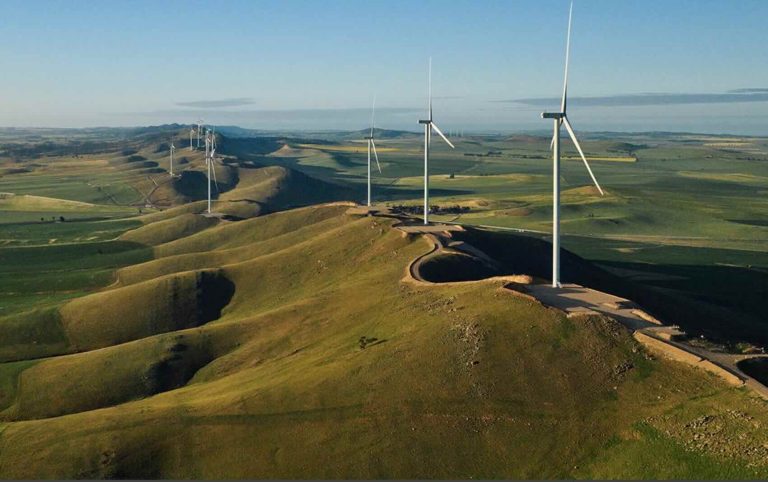
All renewable energy sources combined accounted for nearly half of the EU’s total power (48 per cent), even as “unusual weather conditions” led to a 12 per cent decline in hydro generation, with wind energy also experiencing a 2 per cent drop. Nevertheless, wind power remained the EU’s second-largest source of electricity, contributing 17 per cent of the total energy needed.
Gas Generation and Economic Implications
Even with positive advances in renewable energy, the decrease in hydro generation allowed for a rise in gas generation, which increased by 34 TWh, or 8 per cent, in 2025. Despite being in a long-term decline, gas generation was still 18 per cent below its peak in 2019, but this uptick resulted in the EU power sector’s gas import bills rising to €32 billion — a 16% increase from the previous year.
As expected, periods of high gas usage led to spikes in electricity prices across the EU, with average costs for those timeframes rising by 11 per cent compared to 2024. Dr. Petrovich noted, “The next challenge will be to put a serious dent in the EU’s reliance on expensive, imported gas, which not only makes the EU more vulnerable to energy blackmail but also drives up prices.”
Innovative Solutions for Stability
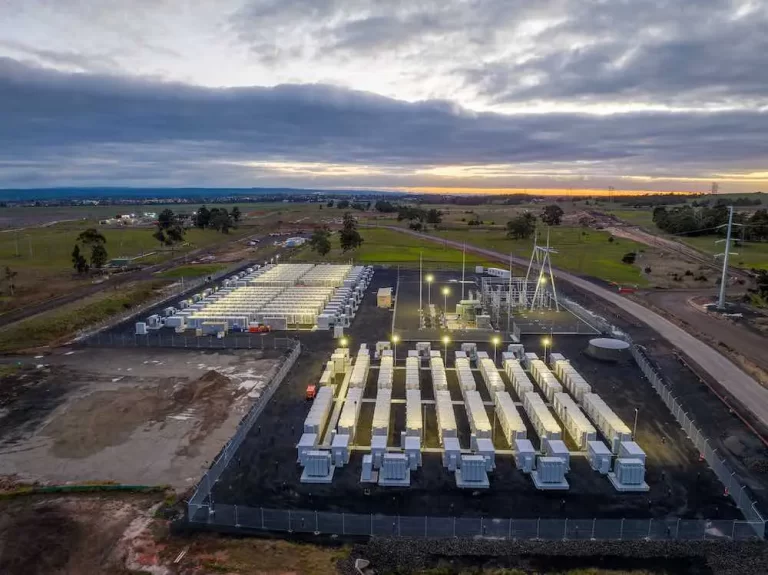
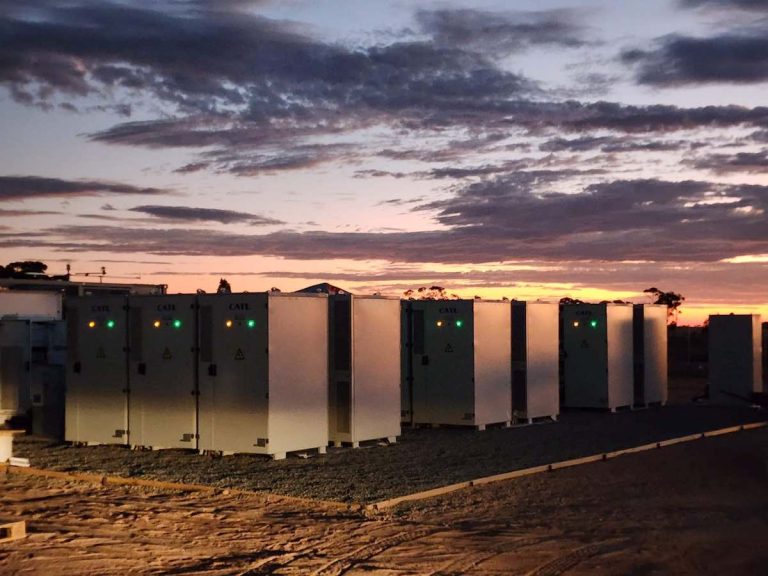
She pointed out that some early moves towards utilising battery storage to shift homegrown renewable energy usage during gas-intensive hours could help reduce reliance on gas during peak times, which in turn would stabilise prices. “By investing across the power system to harness the potential of batteries, grids and electrified tech, the EU can leverage its own renewable energy to manage costs and protect against energy blackmail,” Dr. Petrovich suggested.
The Decline of Coal
Ember’s analysis further highlighted the ongoing decline of coal, which has fallen to a historic low of 9.2 per cent of overall power generation across the EU. This decrease is largely due to coal power being virtually non-existent in 19 EU countries, where its presence is either zero or below 5 per cent. In fact, even Germany and Poland, the EU’s largest coal producers, saw their coal power generation reach all-time lows.
For those interested in staying updated on clean energy developments, over 29,000 subscribers receive the latest news straight to their inbox through Ember’s free daily newsletter.