Wind and Solar Surpass Fossil Fuels in EU Electricity Generation for First Time in 2025
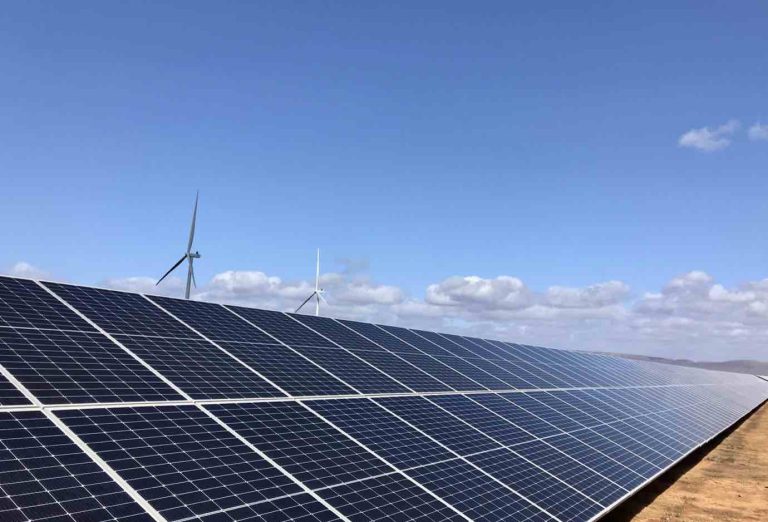
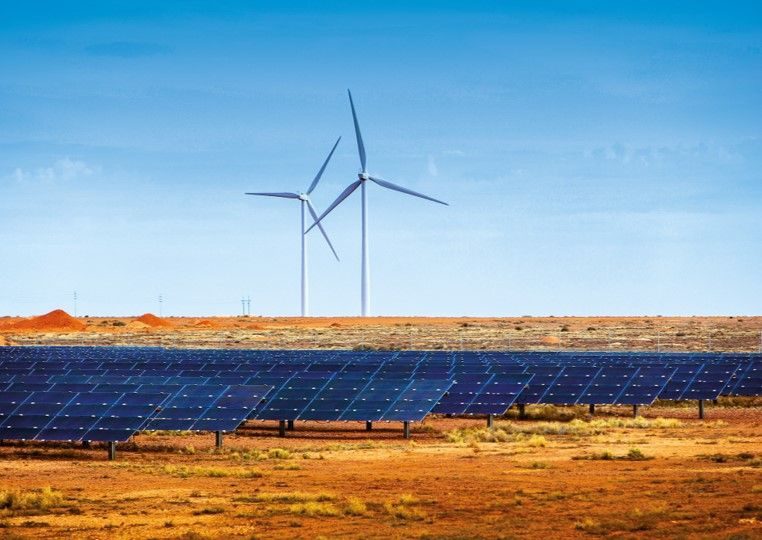
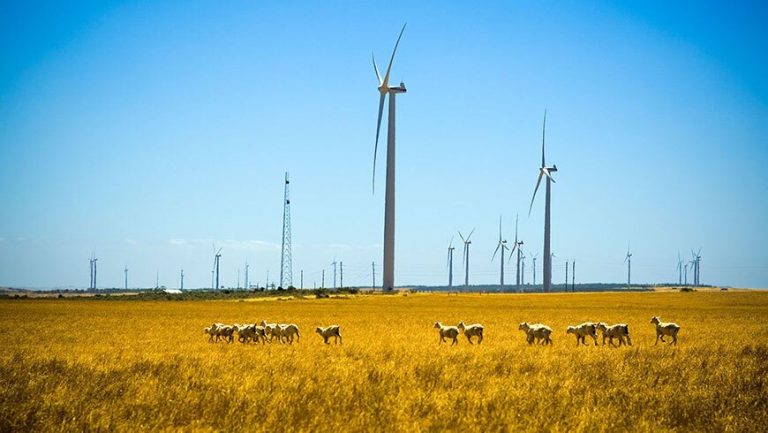
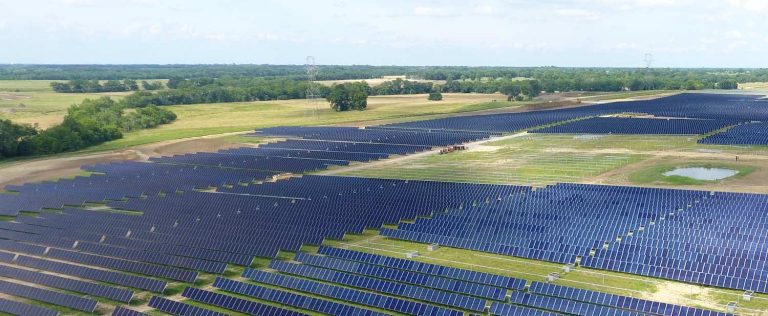
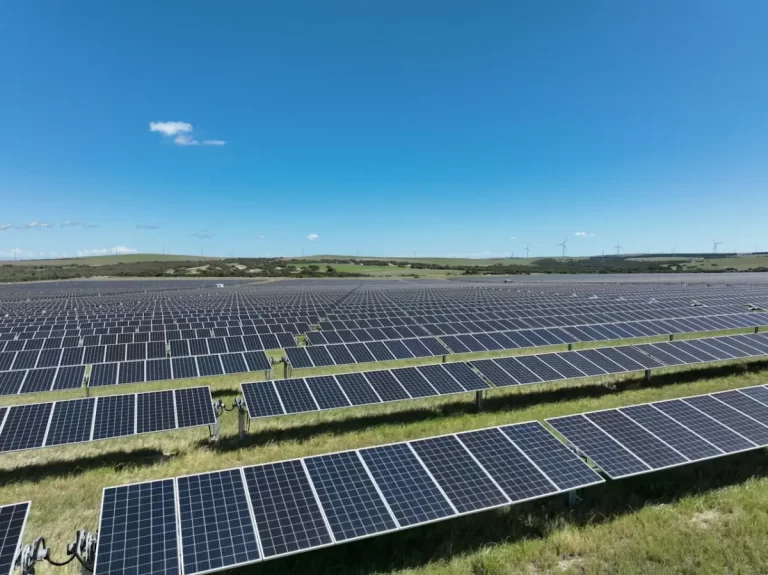
A significant report released on Thursday indicates that, for the very first time, wind and solar power have generated more electricity in the European Union than fossil fuel sources.
The European Electricity Review, published by the global energy think tank Ember, reveals that wind and solar accounted for a remarkable 30 per cent of the EU’s electricity, while fossil fuels produced 29 per cent.
Expert Insights on the Transition to Renewables
Dr Beatrice Petrovich, a senior energy analyst at Ember and the report’s lead author, commented, “This milestone moment illustrates just how swiftly the EU is progressing towards a power system predominantly powered by wind and solar.” She added, “Given the ongoing instability caused by dependence on fossil fuels, the urgency for transitioning to clean energy has never been clearer.”
Overview of the European Power Landscape
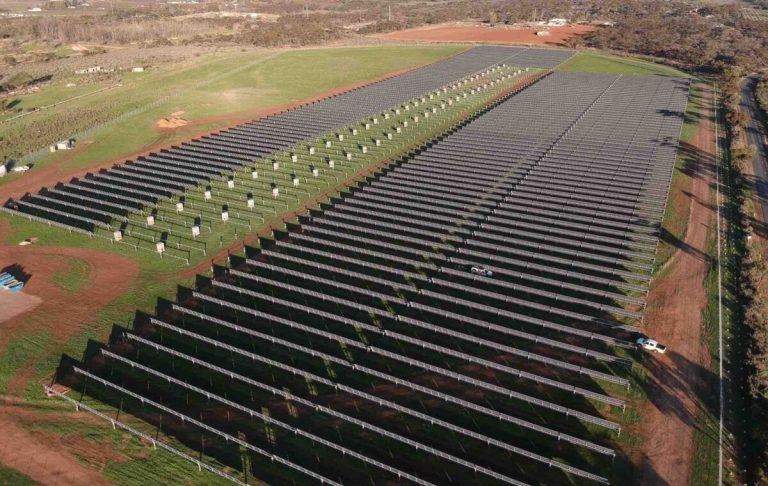
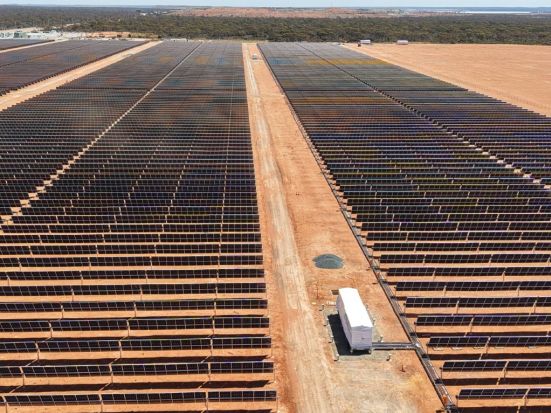
The European Electricity Review offers a detailed analysis of the EU’s power system as it stands in 2025, presenting a comprehensive review of electricity generation and demand data across all 27 EU member states. Ember attributes the achievement of wind and solar’s dominance over fossil fuels in 2025 mainly to an astounding increase in solar power output, which rose by 62 terawatt-hours (TWh), equivalent to a 20.1 per cent lift from 2024.
In 2025, solar power generated an all-time high of 369 TWh in the EU, more than doubling its output since 2020, as part of a trend of consistent annual growth averaging 21 per cent over the past five years.
This surge in solar energy wasn’t restricted to just a few leading nations; every EU member country saw an uptick in solar generation compared to the previous year. However, Hungary, Cyprus, Greece, Spain, and the Netherlands emerged as key players, with solar accounting for over a fifth of their electricity supply.
Renewable Energy Statistics and Challenges
Wind and solar energies surpassed fossil fuels in 14 out of the EU’s 27 nations during 2025 as well. Collectively, renewable energy sources provided nearly half of the EU’s electricity, standing at 48 per cent, despite “unusual weather conditions” leading to a 12 per cent drop in hydroelectric output and a 2 per cent decrease in wind energy production.
Wind energy continued to hold its ground as the EU’s second-largest source of electricity, contributing 17 per cent to the overall generation. However, the decline in hydroelectric power created an opportunity for natural gas generation to rise by 34 TWh, or 8 per cent, in 2025. Ember’s research indicates that gas remains in a long-term downward trend across the EU, hovering 18 per cent below its highest levels seen in 2019.
Economic Implications and Future Outlook
The increase in natural gas generation drove the EU’s gas import costs up to €32 billion in 2025, reflecting a 16 per cent increase compared to the year before. This surge in gas consumption resulted in spikes in electricity prices during peak gas usage hours, with average costs rising by 11 per cent across the EU compared to 2024.
Petrovich emphasised, “Our next challenge is to substantially reduce the EU’s dependency on costly imported gas.” She continued, “Relying on gas not only exposes the EU to energy blackmail but also inflates prices. In 2025, we observed early signs of increased battery storage utilisation to shift renewable energy use towards gas-heavy periods. If this trend accelerates, we could reduce the need for gas in the evening, thereby stabilising prices.”
She advocated for ongoing investments across the energy system to fully harness batteries, grid capabilities, and electrified technologies, thus maximising the use of renewable energy sources for price stability and energy security.
The Declining Role of Coal
Ember’s analysis indicates that coal continues its significant downward trajectory, now constituting a historic low of 9.2 per cent in power generation across the EU. This decline is particularly apparent in 19 EU nations where coal power output is either nonexistent or below 5 per cent, with Germany and Poland, the bloc’s largest coal producers, also experiencing unprecedented reductions in coal generation.