Wind and Solar Surpass Fossil Fuels in EU Electricity Generation for First Time in 2025
A recent report released on Thursday has made a significant revelation: for the first time, wind and solar power have outstripped fossil fuel sources in electricity generation within the European Union.
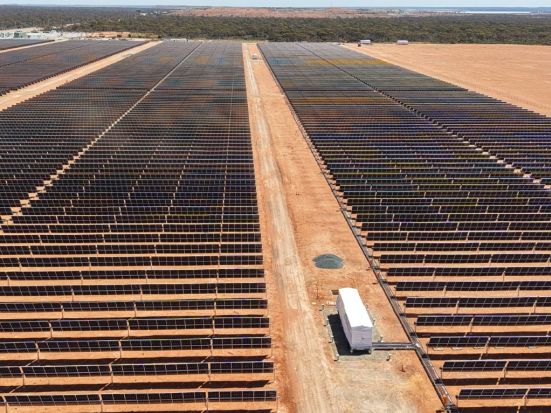
The latest edition of the European Electricity Review, published by the international energy think tank Ember, indicates that wind and solar energy accounted for a remarkable 30 per cent of the EU’s total power generation, while fossil fuels produced 29 per cent.
A Milestone in Renewable Energy
Dr. Beatrice Petrovich, Ember’s senior energy analyst and the main author of the report, noted, “This pivotal moment illustrates the swift transition the EU is making towards a power system primarily supported by wind and solar energy.” She further emphasised that the global instability due to fossil fuel dependencies highlights the urgent need for a shift to clean energy sources.
Overview of the European Power Landscape in 2025
The European Electricity Review offers a detailed examination of the EU’s electricity system as it stands in 2025, analysing comprehensive data on electricity generation and demand across all 27 EU member states.
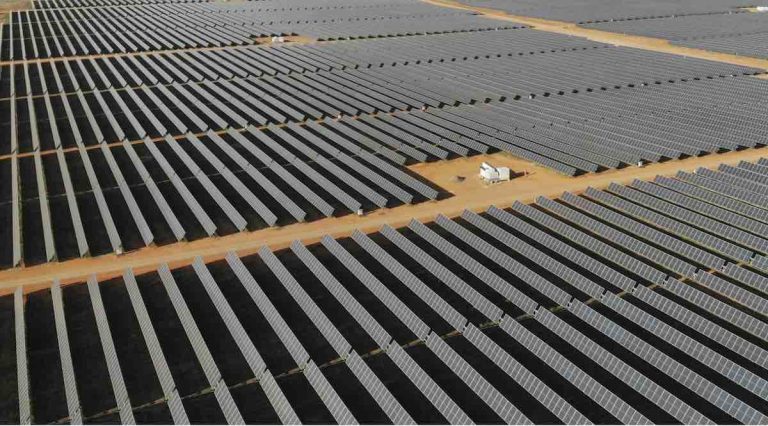
Ember attributes the new record of wind and solar power exceeding fossil fuels in 2025 primarily to a substantial increase in solar energy production, which rose by 62 terawatt-hours (TWh), or 20.1 per cent, in comparison to 2024.
Solar Energy Growth
Throughout 2025, solar energy generated a historic total of 369 TWh in the EU, more than doubling the output from 2020 and reflecting an average annual growth rate of 21 per cent over the last five years. Notably, this surge in solar power was not confined to a select few countries but was evident across all EU nations, each experiencing a rise in solar generation compared to the previous year.
However, some countries have emerged as key players in solar energy, with Hungary, Cyprus, Greece, Spain, and the Netherlands each deriving more than 20 per cent of their electricity from solar sources.
Wind Power and Other Renewables
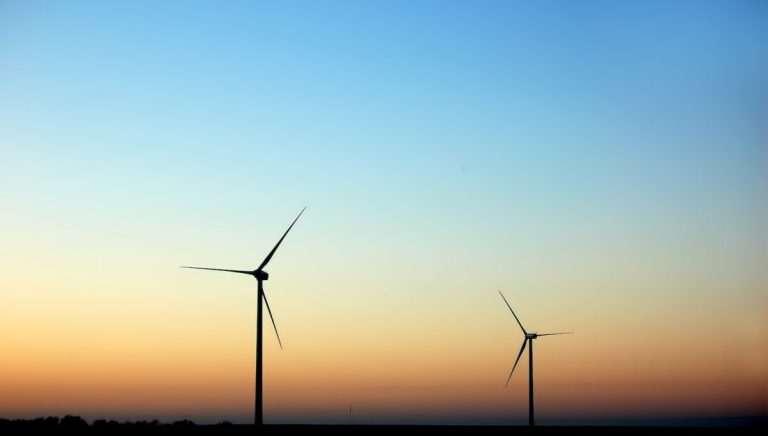
Wind and solar combined to generate more electricity than all fossil fuel sources in 14 out of the EU’s 27 nations in 2025. Furthermore, all forms of renewable energy collectively supplied nearly half (48 per cent) of the EU’s electricity, even as exceptional weather conditions led to a 12 per cent decline in hydroelectric generation and a 2 per cent fall in wind energy production.
Despite these setbacks, wind still constituted the second largest source of electricity in the EU, accounting for 17 per cent of total generation.
Challenges Ahead for the EU Energy Sector
In spite of the positive developments for renewable energies, the reduction in hydroelectric output permitted a rise in gas generation, which increased by 34 TWh, or 8 per cent, in 2025. Ember’s findings indicate that gas remains in a long-term decline across the EU, currently 18 per cent below its peak in 2019.
This upward trend in gas consumption contributed to a significant increase in the EU’s gas import bill, which reached €32 billion in 2025, marking a 16 per cent rise from the previous year. It comes as no surprise that peak usage hours for gas also resulted in electricity price surges across the continent, with average rates during these hours climbing by 11 per cent compared to 2024.
Future of Energy in the EU
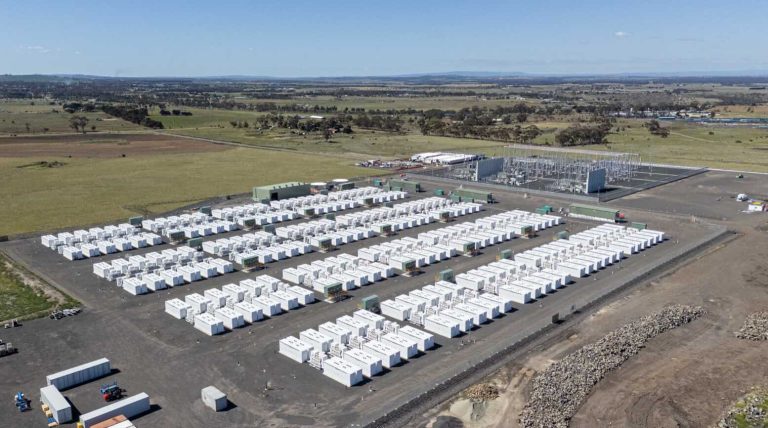
Dr. Petrovich remarked, “The upcoming challenge is to substantially reduce the EU’s dependence on costly imported gas.” She cautioned that gas not only exposes the EU to energy manipulation but also exacerbates price inflation. Observations from 2025 suggest a preliminary move towards greater utilisation of battery storage to leverage domestic renewable energy during gas-heavy periods. As this trend progresses, it could potentially lessen the dependency on gas during peak hours and help stabilise energy prices.
She concluded, “By investing across various sectors of the power system, from batteries to electrification technology, the EU can better utilise locally sourced renewable power to stabilise costs and protect against energy threats.”
Decline of Coal Power
Moreover, Ember’s analysis revealed that coal power continues its downward trajectory, plummeting to a historic low of 9.2 per cent of overall electricity generation within the EU. This decline is evident in 19 EU countries where coal power accounts for either none or less than 5 per cent of total output. Even in the largest coal-producing nations, including Germany and Poland, coal generation has reached unprecedented lows.