Wind and Solar Surpass Fossil Fuels in EU Electricity Generation for First Time in 2025
A recent report published on Thursday indicates that, for the inaugural time, wind and solar energy have outpaced fossil fuel sources in electricity generation within the European Union. The latest findings from the European Electricity Review, released by the global energy think tank Ember, show that wind and solar accounted for an impressive 30 per cent of the EU’s electricity, while fossil fuels produced 29 per cent.
Dr. Beatrice Petrovich, a senior energy analyst at Ember and the lead author of the report, highlighted this achievement as a significant step towards the EU’s transition to a power system predominantly reliant on renewable sources. She remarked, “This milestone moment shows just how rapidly the EU is moving towards a power system backed by wind and solar,” adding that the urgency to shift away from fossil fuels is increasingly evident due to global energy instability.
Overview of the European Power System
The European Electricity Review offers a detailed insight into the EU’s power structure for 2025 and reviews the complete year’s electricity generation alongside demand data for all 27 member states. Ember attributes the impressive surge of wind and solar energy surpassing fossil fuel generation in 2025 mainly to a remarkable rise in solar power, which increased by 62 terawatt-hours (TWh), representing a 20.1 per cent growth compared to the previous year.
Record Solar Power Generation
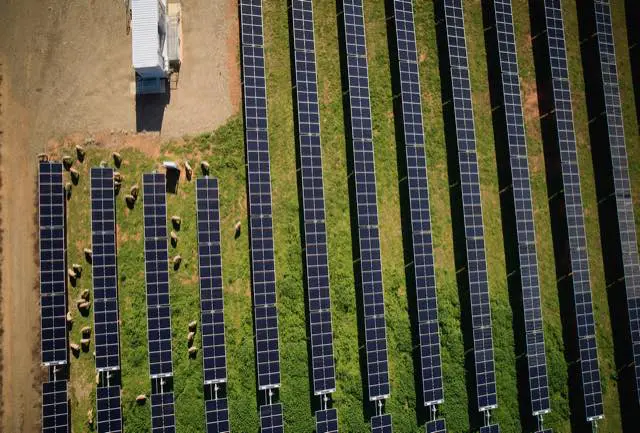
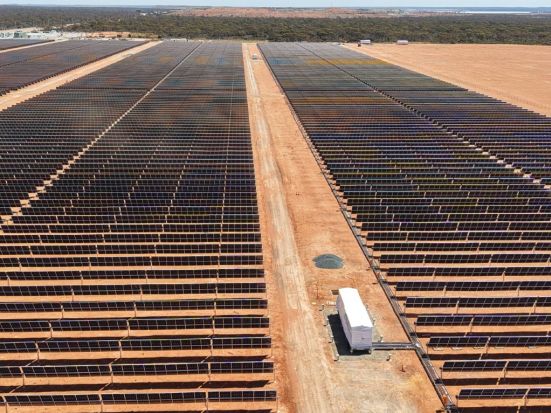
In 2025, solar energy generation reached an unprecedented 369 TWh across the EU, more than double that of 2020, maintaining an average annual growth rate of 21 per cent over the last five years. This surge wasn’t limited to just a few leading countries; every EU member witnessed a rise in solar production compared to the preceding year. Notably, nations like Hungary, Cyprus, Greece, Spain, and the Netherlands saw solar energy supply exceed one-fifth of their total electricity generation.
Wind Power’s Steady Contribution
Moreover, wind and solar energy combined to generate more than all fossil sources in 14 of the EU’s 27 nations in 2025. Collectively, renewable energy sources provided nearly half (48 per cent) of the EU’s power, though “unusual weather conditions” did hamper hydroelectrical generation, causing a 12 per cent decrease, alongside a 2 per cent drop in wind energy output. Nevertheless, wind power remained pivotal, constituting 17 per cent of the electricity supplied across the EU.
Impact of Gas Generation and Energy Costs
Despite the progress made in renewables, the decline in hydro power created an opportunity for gas generation to increase by 34 TWh, equivalent to an 8 per cent rise in 2025. Nevertheless, Ember’s insights suggest that gas remains in long-term decline within the EU, being 18 per cent below its peak in 2019. The uptick in gas consumption has subsequently driven the EU power sector’s gas import expenses up to €32 billion in 2025, reflecting a 16 per cent increase from the previous year. Notably, periods of peak gas usage contributed to significant electricity price increases across the EU, with prices rising by 11 per cent in those hours compared to 2024.
The Future of Energy in the EU
Dr. Petrovich noted, “The next challenge will be to put a serious dent in the EU’s reliance on expensive, imported gas,” pointing to the dual vulnerabilities of costly imports and energy price inflation. She observed early signs of increased battery storage utilisation to manage renewable energy more effectively during peak gas consumption hours, suggesting that a rapid expansion in this area could lessen dependence on gas during peak periods and help stabilise prices.
Furthermore, Ember’s analysis illustrated coal’s continuous decline, which has plummeted to a record low of 9.2 per cent of electricity generation in the EU. In fact, 19 EU countries reported minimal or no reliance on coal for power, with coal generation in Germany and Poland also reaching historical lows.
If you wish to receive the latest clean energy updates directly in your inbox, consider subscribing to our free daily newsletter, joining over 29,000 others in the movement towards sustainable energy.