Wind and Solar Surpass Fossil Fuels in EU Electricity Generation for First Time in 2025
A recent report published on Thursday indicates that, for the first time, wind and solar energy together produced more electricity in the European Union than traditional fossil fuel sources.
The latest European Electricity Review from the global energy think tank Ember reveals that renewable energy accounted for a record 30 per cent of the EU’s power generation, while fossil fuels contributed 29 per cent.
Dr. Beatrice Petrovich, senior energy analyst at Ember and the report’s lead author, stated, “This landmark achievement highlights the rapid transition the EU is making toward a power system reliant on wind and solar resources.”
She further noted, “Given the instability created by fossil fuel dependencies on a global scale, the urgency for transitioning to clean energy has never been more pressing.”
Overview of the European Electricity Landscape in 2025
The European Electricity Review offers a detailed analysis of the EU’s power system outlook for 2025, evaluating electricity generation and demand across all 27 EU nations.
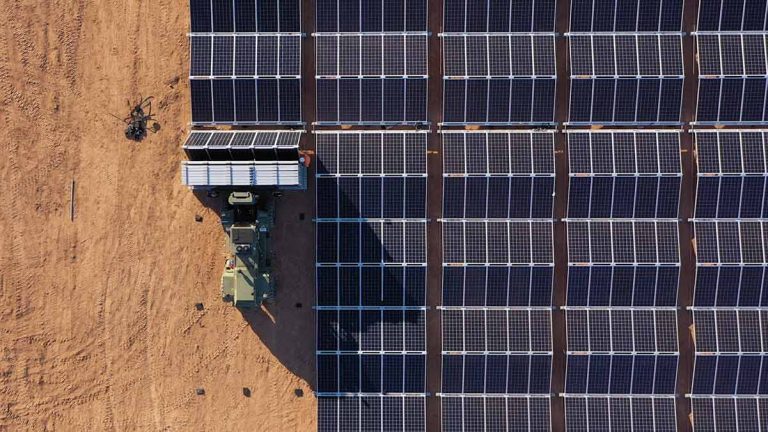
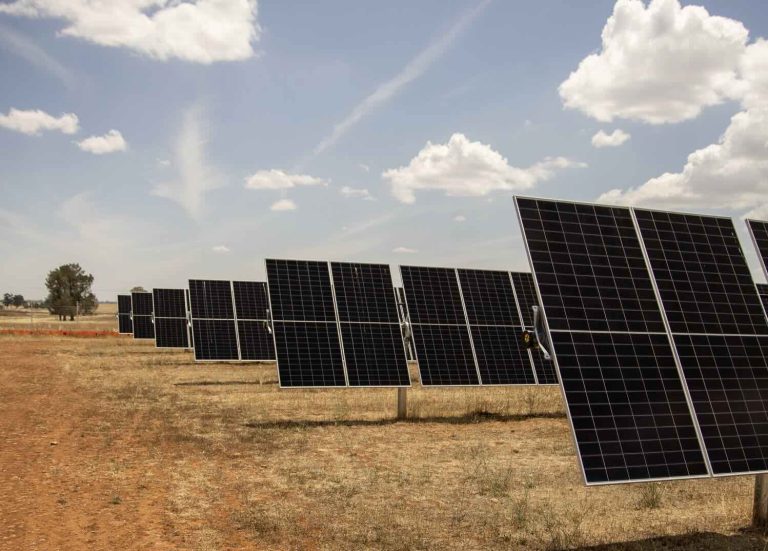
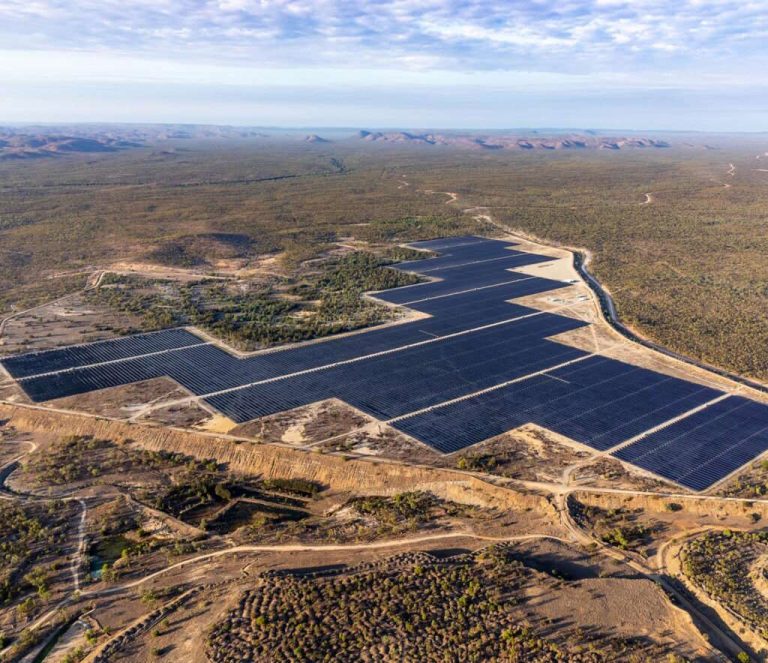
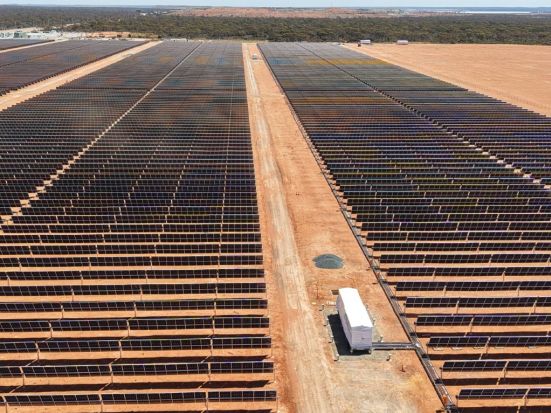
Ember credits the milestone where wind and solar surpassed fossil fuels to a remarkable increase in solar energy, which surged by 62 terawatt-hours (TWh), representing a 20.1 per cent growth from 2024.
Throughout 2025, solar power in the EU generated an impressive 369 TWh, more than double the output seen in 2020, continuing a trend of approximately 21 per cent annual growth over the past five years.
This solar growth was not restricted to a select few dominant countries; instead, all EU member states experienced an uptick in solar generation when compared to the previous year.
Leading Nations and Shifts in Power Generation
However, certain countries remained at the forefront, with solar energy contributing over 20 per cent of electricity in nations such as Hungary, Cyprus, Greece, Spain, and the Netherlands.
Moreover, wind and solar collectively produced more electricity than fossil fuel sources in 14 of the EU’s 27 nations in 2025.
All renewable sources together accounted for nearly half of the EU’s electricity output (48 per cent), despite “unusual weather conditions” leading to a 12 per cent decrease in hydro generation and a 2 per cent dip in wind energy production.
Wind energy sustained its position as the EU’s second-largest electricity source, making up 17 per cent of total generation.
On a less positive note, the decline in hydro generation allowed for a 34 TWh (or 8 per cent) increase in gas power production in 2025, although Ember’s analysis indicates that gas usage is still trending downward in the EU, remaining 18 per cent below its peak in 2019.
This uptick in gas usage contributed to a rise in the EU power sector’s gas import expenses, reaching €32 billion in 2025—up by 16 per cent compared to the previous year. Consequently, periods of high gas consumption resulted in notable electricity price increases, with average prices during these hours climbing by 11 per cent year-over-year across the EU.
The Path Ahead for Energy Transition
Petrovich remarked, “The upcoming challenge will be significantly reducing the EU’s dependence on costly, imported gas.”
She added, “Reliance on gas not only renders the EU vulnerable to external energy threats but also contributes to rising prices. In 2025, we began to see early indications of increased battery storage usage, allowing for the shift of homegrown renewable energy to periods of high gas consumption. If this trend continues, it could limit the necessity for gas in the evening, thereby stabilising prices.”
“By investing across the power system to maximise the potential of batteries, grids, and electrified technologies, the EU can capitalise on local renewable power to stabilise prices and guard against energy coercion,” she suggested.
Ember’s findings also revealed a significant decline in coal usage, which dropped to a historic low of 9.2 per cent of overall power generation in the EU.
This reduction is particularly evident in 19 EU countries where coal power is either non-existent or constitutes less than 5 per cent of energy generation. Coal production in the EU’s largest coal-consuming nations, Germany and Poland, has also reached unprecedented lows.