Wind and Solar Surpass Fossil Fuels in EU Electricity Generation for First Time in 2025
A recent report unveiled on Thursday highlights a significant milestone in the European Union’s energy landscape, revealing that for the first time, electricity generation from wind and solar sources has surpassed that of fossil fuels.
The latest edition of the European Electricity Review, released by the global energy think tank Ember, indicates that wind and solar accounted for an impressive 30 per cent of the EU’s electricity production, compared to 29 per cent from fossil fuels.
Expert Insights on Energy Transition
Dr. Beatrice Petrovich, a senior energy analyst at Ember and the report’s lead author, remarked, “This milestone highlights the EU’s rapid movement towards an energy system reliant on wind and solar power.” She further emphasised that as dependencies on fossil fuels contribute to global instability, the urgency for a transition to clean energy has never been clearer.
Report Overview and Key Findings
The European Electricity Review presents a thorough analysis of the EU’s power system trends, focusing on the comprehensive electricity generation and demand data from all 27 EU nations for 2025. Ember attributes the landmark achievement of wind and solar surpassing fossil fuels to an astounding surge in solar energy output, which increased by 62 terawatt-hours (TWh), equating to a 20.1 per cent rise compared to 2024.
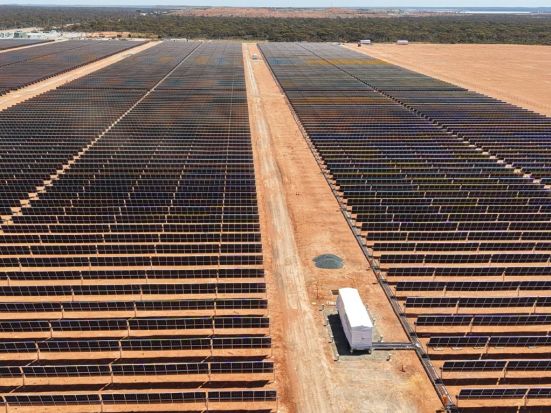
Throughout 2025, solar power production in the EU hit a record high of 369 TWh, more than doubling the figures from 2020, and marking an average annual increase in generation of 21 per cent over the last five years. Notably, this growth wasn’t restricted to a select few countries; every EU nation experienced a rise in solar energy output compared to the previous year. Particularly, Hungary, Cyprus, Greece, Spain, and the Netherlands saw solar power contribute more than 20 per cent to their electricity generation.
Renewable Energy’s Progress
Wind and solar together produced more electricity than all fossil fuel sources in 14 out of the EU’s 27 member states in 2025. Collectively, all renewable sources accounted for nearly half (48 per cent) of the EU’s power. However, “unusual weather patterns” led to a 12 per cent decline in hydroelectric generation, alongside a 2 per cent fall in wind energy production. Despite this, wind remained the EU’s second largest electricity source, contributing 17 per cent of total output.
The Impact of Gas Generation
Conversely, the drop in hydroelectric generation allowed gas production to increase by 34 TWh, or 8 per cent, in 2025. Nonetheless, Ember’s analysis indicates a long-term decline in gas use within the EU, remaining 18 per cent lower than its peak in 2019. This uptick in gas generation pushed the EU’s gas import costs to €32 billion in 2025, marking a 16 per cent rise from the previous year. It was noted that periods of high gas consumption corresponded with spikes in electricity prices across the EU, with average costs during those hours escalating by 11 per cent compared to 2024.
Moving Towards Stability
Petrovich highlighted the pressing need to reduce the EU’s dependence on costly, imported gas, stating, “Gas not only increases the EU’s vulnerability to energy blackmail but also exacerbates price surges.” Encouragingly, there were early indications in 2025 of advancements in battery storage technology, aimed at optimising the use of homegrown renewable energy during gas-heavy demand periods. An acceleration in this trend could potentially lessen gas requirements during peak evening hours, thus stabilising energy prices.
Coal’s Continuing Decline
Ember’s findings also confirmed the ongoing decline of coal, which dropped to a historic low of 9.2 per cent of the EU’s power generation. This downturn is marked by coal power’s nearly non-existent status in 19 EU countries, where its share is either negligible or below 5 per cent. In Germany and Poland, the EU’s largest coal-producing countries, coal generation has also plummeted to unprecedented lows.