Why Balcony Solar Isn’t Thriving in Australia
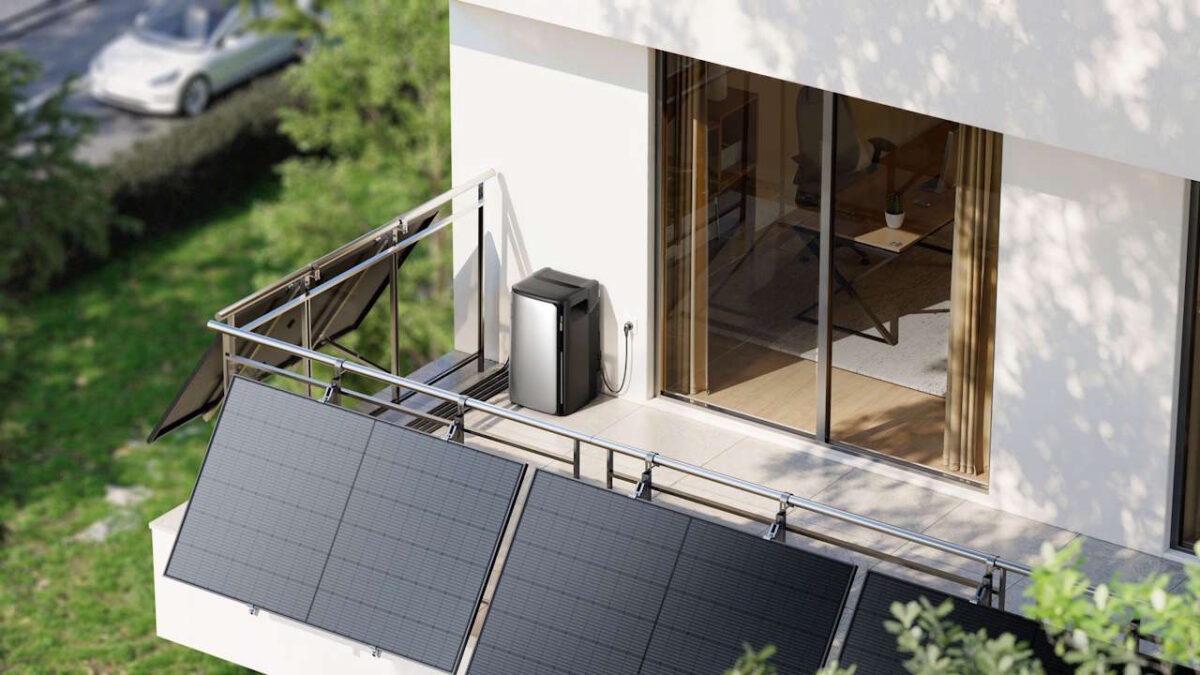
From Berlin to Barcelona, balconies adorned with small solar panels are becoming a common sight, quietly supplying electricity to homes. In densely populated cities across Europe, where many residents live in flats with limited roof access, compact plug-and-play solar systems are emerging as vital sources of power for essential household appliances.
Known as balcony solar, this technology is rapidly gaining traction internationally. It’s gaining speed in Europe, and recently, California lawmakers have reclassified plug-in solar as a household appliance, enabling its broader adoption.
Australia’s Solar Success Story
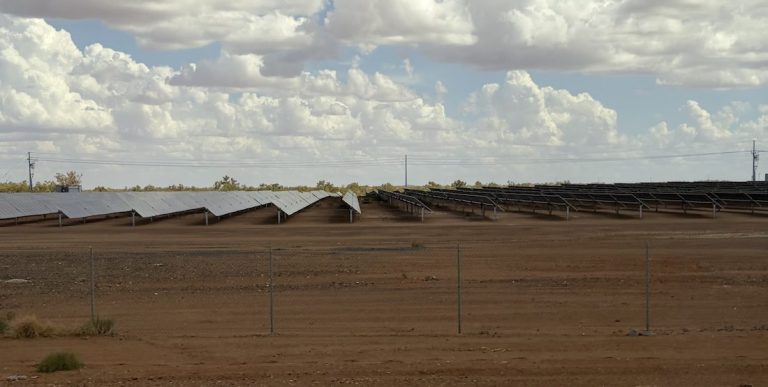
Despite Australia’s standing as a leader in solar energy, balcony solar remains largely inaccessible. The nation boasts the highest rate of rooftop solar adoption globally, with over a third of standalone homes generating their own power, often supplemented by battery installations.
However, this success doesn’t extend to apartment living, where only 3.5 per cent of units feature solar installations. This leaves countless renters and flat owners unable to tap into the most affordable energy source available.
What Makes Balcony Solar Work Abroad
Brent Clark, CEO of energy consultancy Wattblock, attributes the international success of balcony solar less to the technology and more to favourable regulations. On the SwitchedOn Australia podcast, he noted that this system flourished particularly in Germany.
In Germany, balcony solar installations are intentionally compact – typically consisting of a few panels with outputs capped at around 0.8 to 1.2 kilowatts. This design helps avoid complex grid connection procedures. The key innovation, according to Clark, is how these systems connect; they are designed to be plug-and-play, allowing users to simply connect them to existing power outlets in their homes.
This shift transformed solar energy from a construction project into a straightforward consumer product. By accepting the trade-off of smaller system sizes for simplified regulation, Germany saw a swift adoption rate, with over a million balcony solar systems installed across the country.
Since their introduction about a decade ago, installations surged following clarity on regulations in 2018-2019. The concept has since spread throughout much of Europe.
The Complexity of Replicating Success in Australia
In Australia, around 31 per cent of households are rented, but the regulatory landscape complicates the adoption of balcony solar. Unlike Germany, where such systems can function with traditional analogue meters, Australian regulations mandate smart meters for solar installations.
Moreover, electrical safety standards pose additional challenges. Many Australian apartments still utilise older circuit breakers designed for unidirectional electricity flow, which presents issues if the solar system sends electric current back to the grid during a fault.
For balcony solar to operate safely here, buildings would require Type A residual current devices, which can trip regardless of the electricity’s direction. Navigating existing standards, such as Clean Energy Council requirements, installation rules, and state regulations, significantly complicates the simple plug-and-play appeal.
A Call for a Regulated Solution
Clark advocates for a balanced regulatory approach rather than full deregulation, emphasising the importance of safety in solar products. He suggests developing a tailored pathway involving certified products and modern electrical infrastructure, along with a streamlined registration process for systems to connect with the grid.
He envisions a user-friendly application that allows balcony solar owners to register their systems with their grid provider, ensuring the provider is informed about the installations.
Clark also identifies existing safety protocols as opportunities rather than barriers. Given that most apartment buildings already undergo annual fire inspections, it could be feasible to include basic checks for balcony solar systems during these inspections, imposing minimal additional effort.
The Stakes for Australia’s Energy Policy
For a nation that prides itself on solar innovation, the emergence of balcony solar poses a significant test for energy policy, questioning whether it can evolve in line with modern housing trends or if clean energy access will continue to be tied to homeownership.
The potential benefits are considerable. Researchers from UNSW and the Australian Photovoltaic Institute estimate that approximately 45.8 gigawatts of rooftop solar potential remains untapped across Australian housing, with apartment buildings alone missing out on around three gigawatts of energy. This unrealised potential could reduce energy costs, cut emissions, and alleviate pressure on the electrical grid.
Clark believes that the growing international acceptance of balcony solar could sway the situation in Australia, particularly if it gains success in California.
For more insights, tune in to the full interview with Brent Clark on the SwitchedOn Australia podcast.