Western Australia Updates Solar and Battery Rules for Stability
Western Australia is gearing up to implement significant changes to the regulations governing rooftop solar and battery systems in the state. The aim of these reforms is to enhance stability in the world’s largest isolated power grid and encourage more households to participate in virtual power plants (VPPs).
Starting from May 1, 2026, new rules will be introduced regarding inverter connections for solar and battery systems linked to the South West Interconnected System (SWIS). These changes will enable larger systems to be installed and facilitate increased solar exports, subject to the capacity of the network.
Increased Inverter Capacity
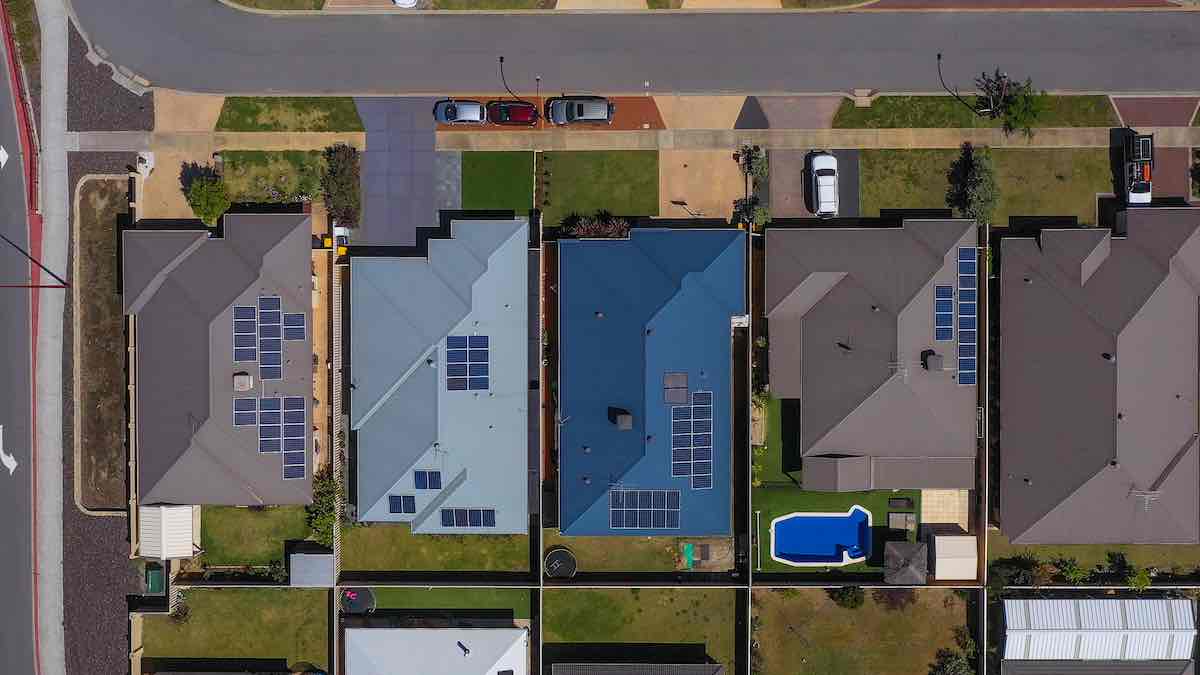
The new regulations will allow inverter-based energy systems to connect at a combined capacity of up to 30 kilowatts (kW) under a single standard connection, an increase from the current maximum of 5 kW. According to Western Power, this adjustment will empower households to export higher amounts of energy back to the grid and provide them with more opportunities to engage in VPPs or other flexible export options in the future.
The timing of these inverter rule updates is critical for Western Australia, which has actively encouraged households to join VPPs by leveraging both state and federal incentives.
Subsidies for Solar Storage
Residents in WA can apply for reduced costs on home energy storage through the federal government’s Cheaper Home Batteries scheme, or they may choose to access a combined offer that includes the state rebate. Opting for this “stacked” rebate often results in a more substantial overall discount for battery investments, particularly benefitting medium- and low-income households, who may access a $10,000 interest-free loan.
However, accepting the state rebate comes with the condition of signing up for a virtual power plant, currently limited to two offerings from state-owned retailers, with an additional option from Plico Energy (through Synergy).
Supporting Wider Solar Adoption
The WA Department of Energy has expressed its commitment to enabling as many residents as possible to take advantage of rooftop solar, ensuring individuals receive the greatest benefits from their installations. “These changes will allow installers to connect more extensive and larger systems within the network, paving the way for electricity retailers to launch new products that leverage enhanced system functionalities,” they stated.
Enhanced Inverter Standards
In addition to modifying inverter export limits, WA is also aligning its regulations with updated standards already adopted by most other Australian states. The new requirements stipulate that all newly installed inverters associated with upgraded rooftop photovoltaic (PV) and battery systems must comply with the Australian standard AS/NZS 4777.2. This standard mandates that inverters have the capacity to manage undervoltage disturbances, preventing household energy systems from disconnecting during network voltage fluctuations.
Furthermore, all new inverters must be equipped with the capability for remote disconnection and reconnection, a safety measure often referred to as the Big Solar Button. Those who do not wish or are unable to comply with these requirements will see their solar export capacity limited to 1.5kW, according to Western Power.
Challenges for the SWIS
The South West Interconnected System is the largest isolated grid globally. Its vastness and isolation, coupled with substantial solar exports, pose unique challenges for the Australian Energy Market Operator (AEMO), tasked with maintaining power system stability. The government highlights that these changes represent initial steps toward simplifying requirements and legal obligations for customers and installers alike, while future efforts will focus on supporting larger installations and streamlining connection procedures.