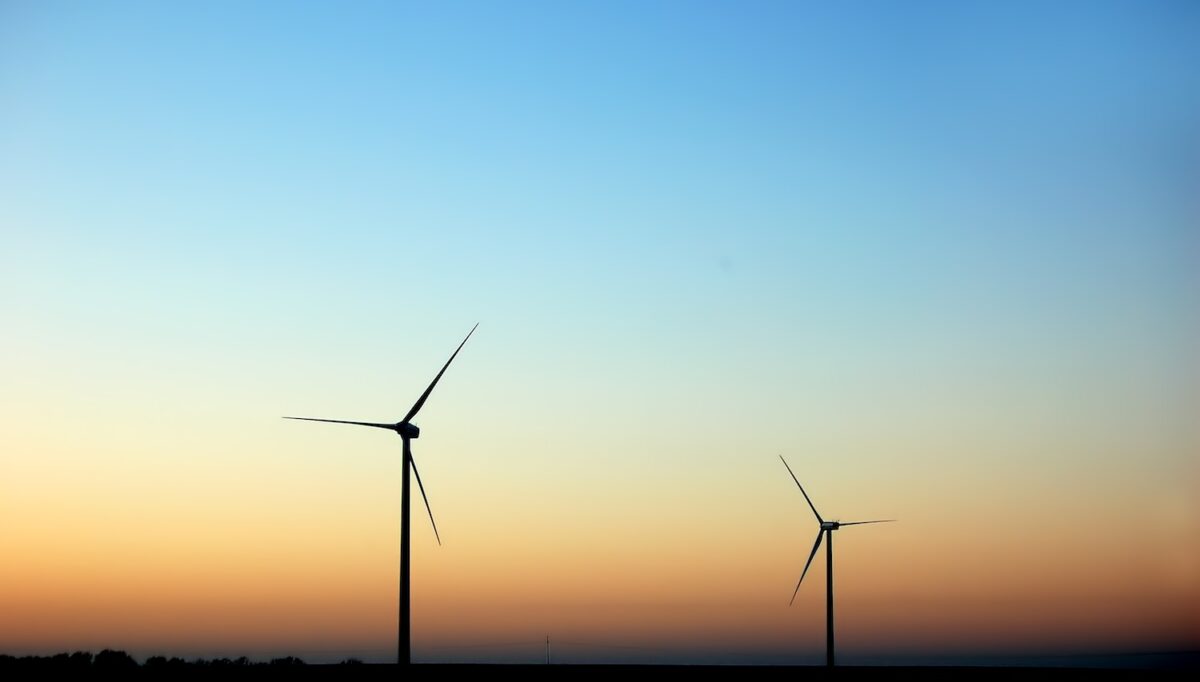
Western Australia Surpasses National Grid in Renewable Energy Transition
In an unexpected turn of events, Western Australia (W.A.) is now outshining the rest of Australia in the shift to renewable energy, boasting the largest isolated power grid globally. Over the past three months, W.A.’s South West Interconnected System has surpassed the National Electricity Market (NEM) by achieving a renewable energy share of 50.7 per cent, compared to the NEM’s 49.9 per cent.
December saw W.A. excel further, reaching a remarkable 53.9 per cent in its main grid, as reported by Rystad Energy, while the NEM recorded 50.4 per cent, marking a first for both regions.
Resilience of an Isolated Grid
The achievement by W.A. is particularly striking given its geographically isolated grid, which lacks connection points to other states or countries for energy exchange during peak demands. Additionally, without any pumped hydro or traditional hydroelectric power, W.A.’s renewable energy contributions originate solely from wind and solar sources, with storage reliant on both household and grid-scale batteries.
Addressing the Solar Duck Curve
Just a while ago, W.A. faced challenges with the ‘solar duck curve’ phenomenon caused by the surge in rooftop solar installations across Perth and surrounding areas. Unlike interconnected regions like South Australia, W.A. cannot accommodate rooftop solar output that meets 100 per cent of local demand. While South Australia managed to hit that benchmark on two consecutive days during Christmas, such an achievement remains unreachable for W.A.
Advancements in Battery Storage
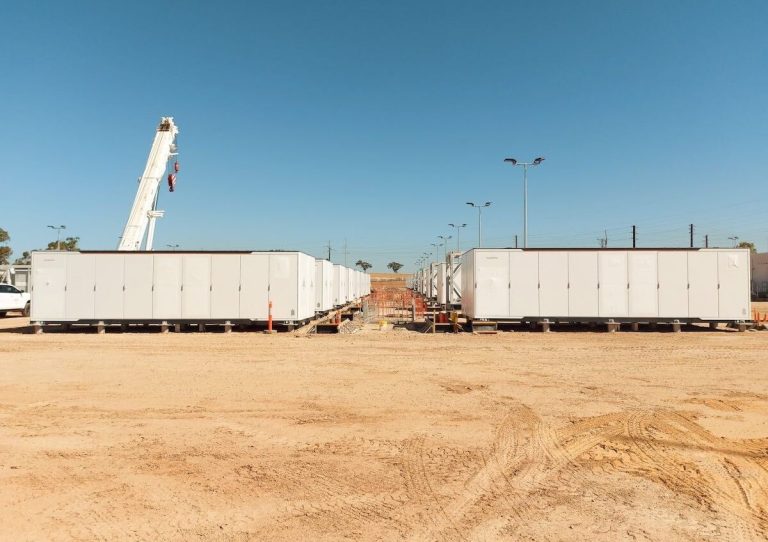
To smooth out the solar duck curve, W.A. has rapidly expanded its big battery storage capabilities, including the two largest operational batteries in Australia, both situated at the coal hub of Collie, each capable of storing over 2 gigawatt hours of energy. Jai Thomas, co-ordinator for Energy Policy W.A., likens the state’s renewable progress to a crocodile’s head, indicating that renewables are now surpassing coal and gas, with the remaining coal-fired plants expected to close by the decade’s end.
Performance of Wind and Solar Farms
The implementation of substantial battery systems has significantly curtailed potential energy wastage, leading to W.A.’s wind and solar properties frequently ranking among the highest performers nationwide. According to David Dixon from Rystad Energy, the three top-performing wind farms in December were all located in W.A., with Badgingarra leading the pack at an impressive average capacity factor of 60 per cent, outperforming the majority of coal-fired stations in the NEM. Yandin and Warradarge followed closely with 59.9 per cent and 56.4 per cent, respectively. Furthermore, W.A.’s Collgar and Emu Downs wind farms secured fourth and fifth positions.
Leading the Solar Sector
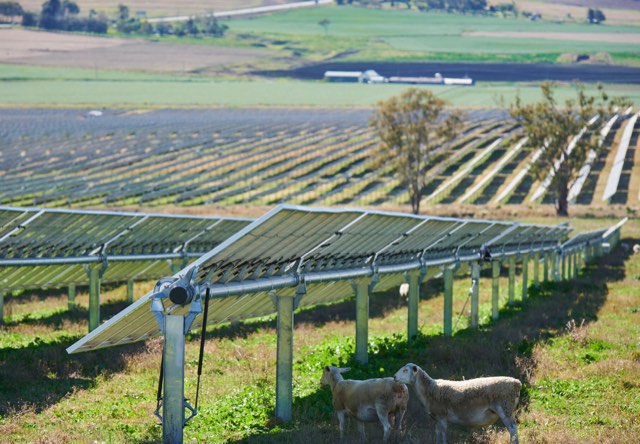
The highest performing solar farm in December was the Merredin facility in W.A., posting a capacity factor of 45.2 per cent, ahead of New South Wales’ Griffith and Moree facilities, which achieved 40.1 per cent and 39.7 per cent respectively. Notably, solar energy installations in NSW claimed 11 out of the 20 best-performing solar facilities for the month, with the state becoming the first to generate over 1 terawatt hour (TWh) from utility-scale solar within a single month, reaching 1.05 TWh and an additional 626 gigawatt hours (GWh) from wind power. Overall, NEM’s total renewable generation hit 9.5 TWh in December, with curtailment levels at 6.3 per cent, according to Open Electricity.
Decline of Coal Generation
Dixon pointed out that December experienced the lowest coal generation levels since early 2011, alongside a notable drop in gas generation, indicating a continuing trend as household and grid-scale batteries proliferate. In the past year alone, grid-scale batteries have surged more than three-fold in both the NEM and SWIS, with NEM batteries discharging a remarkable 248 GWh in December 2025, rising from 68 GWh in the previous year, while W.A.’s batteries delivered 102 GWh compared to 32 GWh in December 2024.