Western Australia Achieves 91.1% Renewable Energy Peak with Wind and Solar
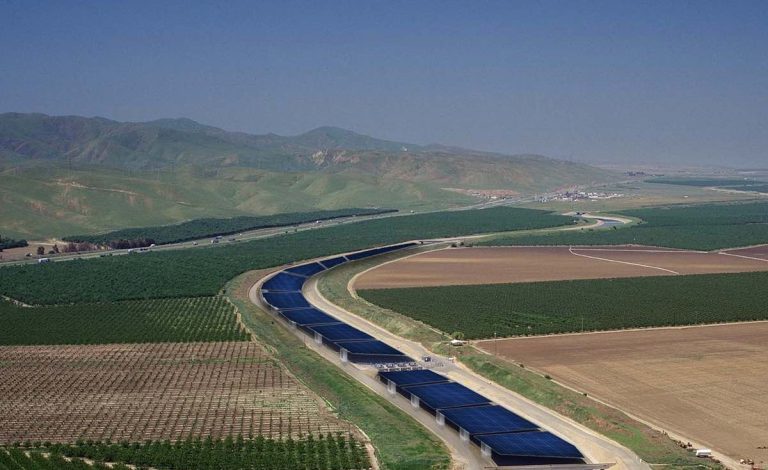
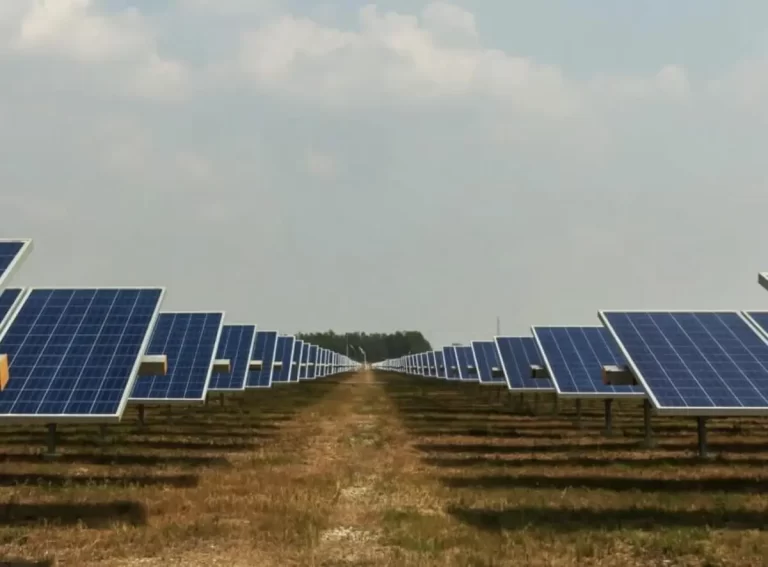
Western Australia’s main electricity grid, recognised as the largest isolated grid in the nation and on a global scale, has set an impressive new record for renewable energy usage, reaching 91.1%. This achievement is solely attributed to wind and solar energy, with a significant portion coming from rooftop photovoltaic (PV) systems.
This milestone surpasses the previous high of 89% set in November. The record was reached at 11:35 AM on Saturday, 20 December, as reported in the latest quarterly energy market update from the Australian Energy Market Operator (AEMO).
Details Behind the Record
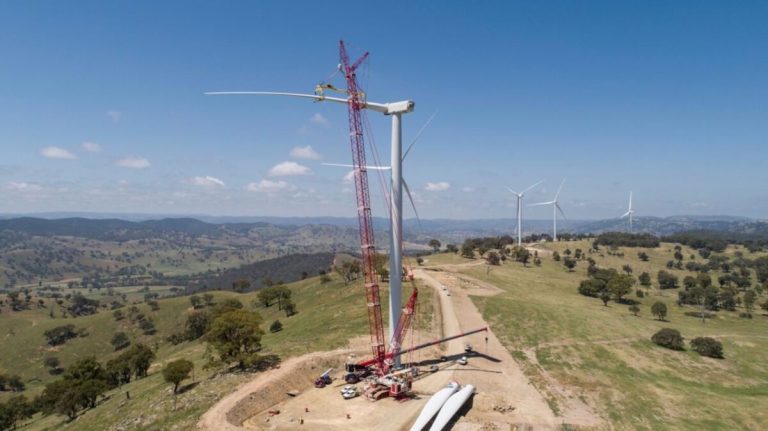
AEMO indicated that rooftop PV generation played a crucial role in this achievement, contributing 62.6% of the renewable energy, while wind energy accounted for 19.8%. Prior to this string of new records emerging in the latest spring and early summer, the highest renewable penetration had been 85.1%, recorded in 2024.
The Unique Composition of W.A.’s Grid
This level of renewable penetration is especially remarkable as Western Australia’s main grid, known as the WEM, operates independently without interconnections to other regions or countries, which would facilitate power trading when needed. Unlike many other grids that host significant hydropower resources, the WEM primarily relies on rapidly expanding battery storage instead.
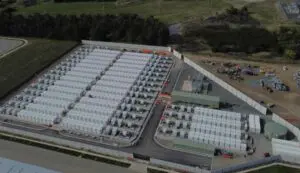
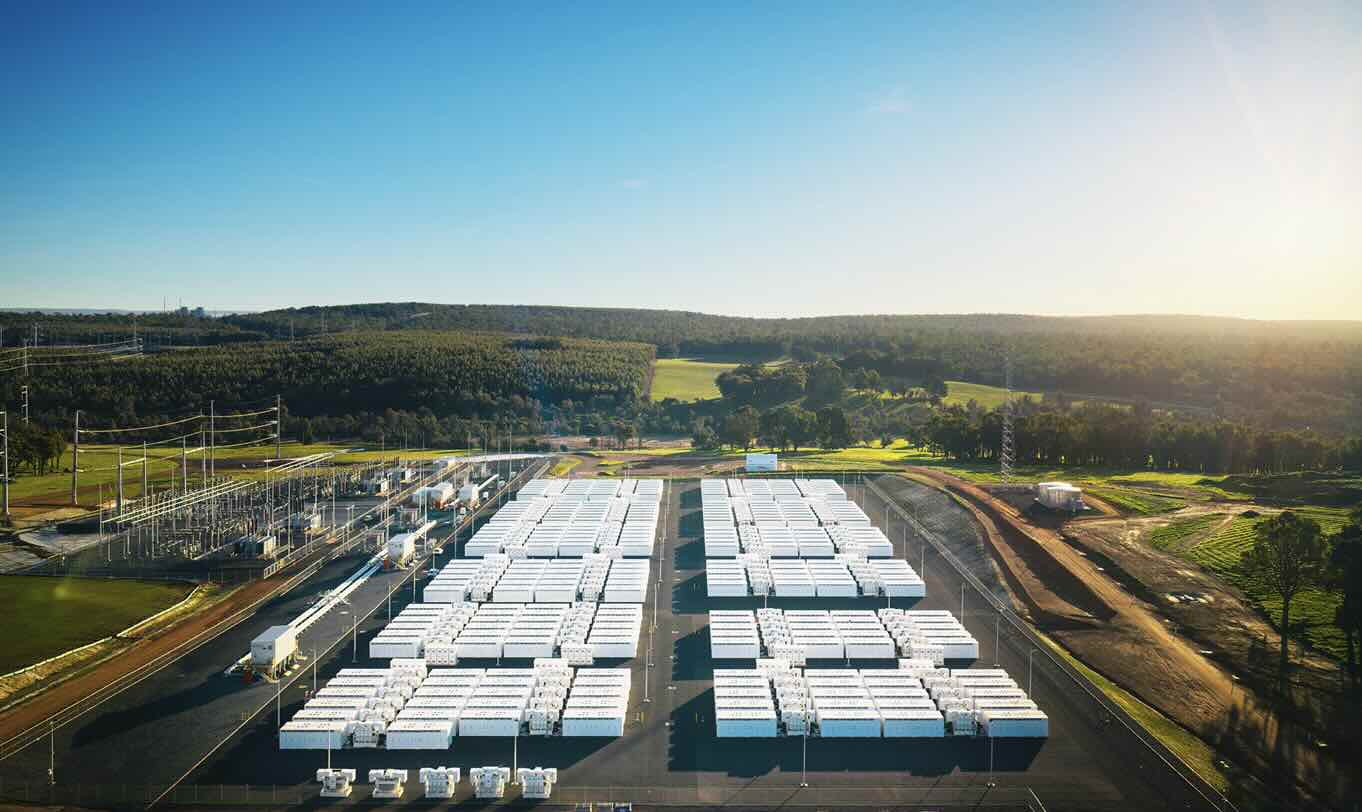
Among these, two of Australia’s largest battery facilities are located in Collie, a coal-dependent area. One of these is a 560 MW, 2,240 MWh facility owned by Neoen, and the other, recently commissioned, is a 500 MW, 2,000 MWh facility owned by Synergy. Additionally, two larger batteries in Kwinana, also owned by Synergy, together with the country’s first solar-battery hybrid facility at Cunderdin, have substantially altered the grid’s operational dynamics.
The Impact of Battery Storage
At the time of reaching the renewable penetration record, battery storage was supplying 466 MW of demand, which AEMO stated helped alleviate any wind curtailment. This was particularly beneficial since maintenance issues had reduced the traditional coal-fired capacity to a mere 6.3% at that moment.
The recent AEMO report highlights a shift in grid operations, demonstrating that battery storage is effectively replacing both coal and gas generation during peak evening periods while managing excess solar PV during the day, thus allowing for these remarkable peaks in renewable energy use.
Market Changes and Environmental Benefits
The report indicates that the contribution of coal-fired generation has decreased by 5.8% year on year, largely due to battery discharge covering the evening demand. Gas-fired generation saw an even steeper decline of 16.4%, a trend propelled by both the increase of renewables and the presence of large batteries during peak times.
Renewable sources accounted for 52.4% of total power generation in the quarter, marking the first instance of surpassing the 50% threshold. Battery storage composed 4.2% of this generation, which was accompanied by a slight reduction in coal supply due to the closure of Muja C Unit 6 in Q2 2025.
Reduction in Emissions
These shifting dynamics resulted in a notable drop in emissions for the WEM, even as overall demand rose by 2.2%. AEMO reported that total emissions decreased significantly by 14.4%, from 2.06 MtCO2-e in Q4 2024 to 1.77 MtCO2-e in Q4 2025, alongside a 15% reduction in emissions intensity to 0.43 tCO2-e/MWh.
AEMO clarified that the decline in emissions intensity is largely due to the increased share of renewable generation supplanting coal and gas usage.
Future of Coal and Prices
Western Australia has committed to phasing out its state-owned coal generation at Collie by the end of the decade. However, a recent policy reversal regarding subsidies for the Griffin coal mine raises concerns about the future of the last private coal generator, Bluewaters, potentially extending its operation for another five years.
Concerning costs, AEMO indicated that average wholesale prices during the December quarter fell by 13% when compared with the previous year, reaching their lowest levels since the market redesign in 2023. This reduction is attributed to the increased involvement of renewables and battery storage in the energy mix, rendering the power supply smarter, cleaner, and more affordable.