Victoria’s Renewable Energy Faces Record Curtailment Amid Abundant Wind and Solar
While it remains uncertain whether Victoria will fulfil its ambitious renewable energy goals of 60 per cent by 2030 and 95 per cent by 2035, the challenge may not stem from production shortages. Instead, it could hinge on the ability of wind and solar energy to provide power when needed, along with the capacity to store any surplus generated.
This past Sunday highlighted the complexities of the energy transition as Victoria faced unprecedented levels of energy curtailment, with a remarkable 4,861 megawatts of large-scale wind and solar energy being curtailed, which accounts for more than 91 per cent of the grid demand at that time.
Record Curtailment in Victoria
The new records were set around 3pm AEST, with wind curtailment reaching an all-time high of 3,942 MW just before 3pm, surpassing the previous record set in early October by over 100 MW, as reported by GPE NEMLog. Last year, curtailments peaked at just 3,076 MW, indicating a significant increase in energy production.
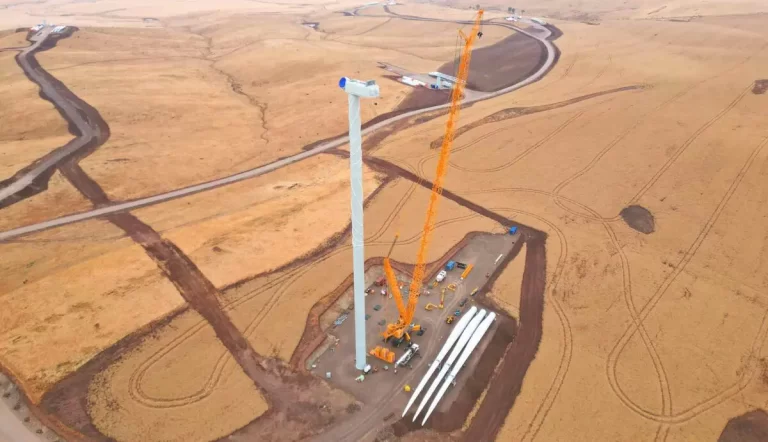
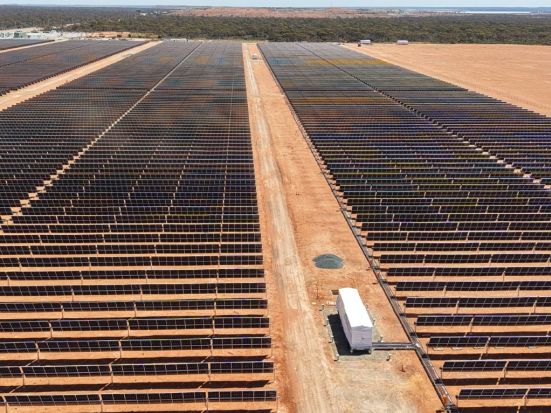
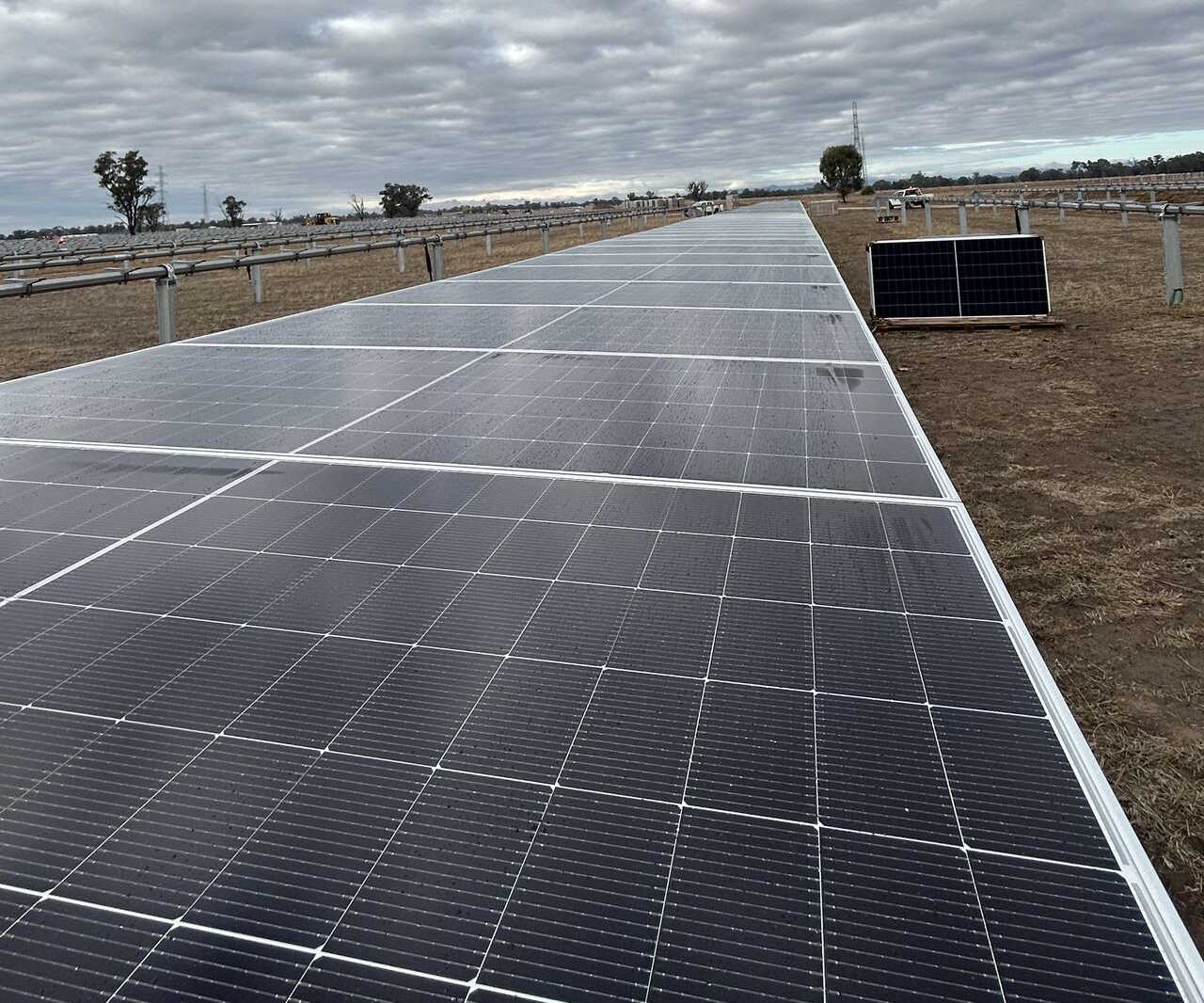
The surge in curtailment figures is primarily due to the influx of new renewable energy capacity in the state, including the recently fully commissioned first phase of the Golden Plains wind farm (756 MW) and various new solar farms like Goorambat East and Mokoan. Additionally, several large battery projects are currently under construction, and the Melbourne Renewable Energy Hub, the state’s largest with a capacity of 600 MW and 1,600 MWh, has recently come online.
Solar’s Role and Continued Challenges
Despite these advancements, Victoria’s renewable energy production isn’t sufficient to meet its demands. Rooftop solar installations are expanding rapidly and contributed over half of the state’s electricity requirements during the peak curtailment hours.
Interestingly, neighbouring New South Wales also recorded impressive production levels from wind and solar, reaching 5,417 MW at 3.30pm on the same day. According to analyst Geoff Eldridge, renewable energy “availability” in Victoria often exceeds demand during peak daylight hours, while the actual output plateaus due to increasing curtailment levels.
“The day was characterised by abundance … even though not all of it could be utilised,” Eldridge remarked on LinkedIn, stating that “curtailment, rather than scarcity, was the limiting factor.” He also pointed out that the state’s three remaining brown coal generators experienced a reduction in net output, highlighting the oversupply of renewable energy compared to demand.
Victoria’s Energy Trade Dynamics
Despite the overwhelming amount of curtailment experienced, Victoria still found itself as a net importer of electricity during peak times, benefiting from the lowest regional price in the National Electricity Market (NEM) for a considerable part of the day. Electricity imports came from New South Wales and Tasmania, while Victoria continued to export power to South Australia.
For those interested in staying up to date with clean energy developments, over 28,000 people subscribe to a free daily newsletter delivering the latest news directly to their inbox.