Victoria’s Electricity Bills Set to Decrease with Renewables Growth
The Essential Services Commission (ESC) has announced that electricity prices are projected to decline in all five distribution zones in Victoria. This reduction is anticipated to lower household energy bills by nearly $50 in the upcoming financial year and provide small businesses with around $170 in savings annually.
The ESC’s draft decision regarding the 2026-27 Default Victorian Offer (VDO) suggests that domestic customers will see price cuts ranging from $43 to $48 compared to the previous financial year, averaging a reduction of approximately 3 per cent, or £46.
Impact on Small Businesses
For small enterprises, the VDO is expected to bring down annual costs by between $165 and $179 across the different distribution zones, resulting in an average decrease of £172 from last year, which amounts to a 5% reduction according to the ESC.
The VDO establishes a cap on the pricing that electricity retailers can charge a segment of households and small businesses that are on standing offers. Much like the Default Market Offer (DMO), set by the Australian Energy Regulator for other states in the National Electricity Market (NEM), it also serves as a benchmark for all retail offers.
Long-term Benefits for Consumers
Gerard Brody, the chair and commissioner of the ESC, stated that the draft decision was made using the best data available while being mindful of the long-term interests of Victorian consumers in terms of pricing, quality, and reliability of essential services.
Brody highlighted the importance of regularly reviewing electricity plans, suggesting that customers willing to do so may uncover even cheaper deals. He noted, however, that for those who prefer not to frequently switch plans, the default offer remains a fair option.
Political Context and Green Energy Initiatives
This anticipated decrease in electricity pricing comes during an election year for Victoria, coinciding with a backdrop of increasing opposition from the federal Coalition, which has adopted a more critical stance towards renewable energy and climate action.
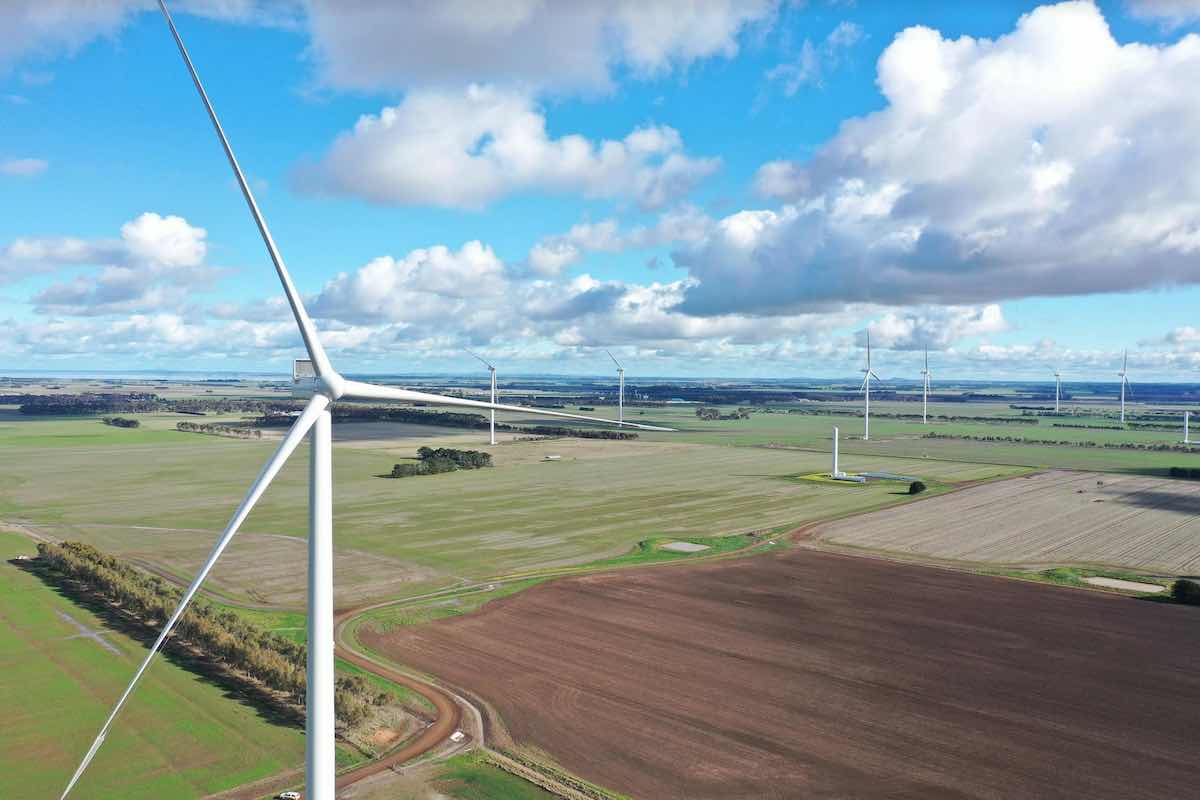
Under the Labor government’s agenda, Victoria aims to achieve 65 per cent renewable energy generation by 2030 and 95 per cent by 2035, with renewables currently constituting about 45 per cent of the state’s energy mix. Recently, state energy minister Lily D’Ambrosio noted that Victoria’s substantial investments in renewable energy have contributed to the lowest wholesale power prices in the nation.
Wholesale Electricity Prices Comparison
D’Ambrosio pointed out that, over the past year, the average wholesale price in Victoria was £78 per megawatt-hour, which is notably lower than prices in New South Wales (£103), Tasmania (£96), South Australia (£87), and Queensland (£85).
In an email to Renew Economy, she asserted that the draft default offer is indeed decreasing and acknowledged the pressures of the cost of living that many Victorians are currently facing. She stated that only the Labor party would invest in the necessary energy infrastructure to alleviate bills and curb excesses from major energy retailers impacting Victorian families.
Opposition’s Stance
Future Directions for Energy Regulation
Review of the DMO
For those interested in receiving the latest updates on clean energy directly in their inbox, there is an opportunity to subscribe to a free daily newsletter.