Tindo Expands Solar Panel Availability Nationwide
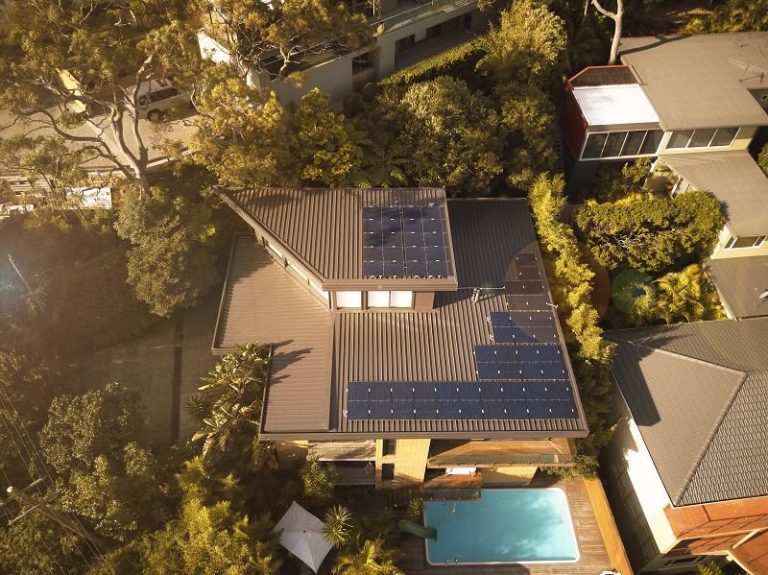
Australia’s sole solar panel manufacturer, Tindo, has recently revealed a substantial growth in its partner network, which has surged to approximately 100 partners nationwide in the past year.
Established in 2011 and based in Mawson Lakes, Adelaide, Tindo specialises in crafting solar panels tailored for the challenging Australian climate.
Customer-Centric Approach and Strategic Expansion
In February, the company underwent a customer-focused rebranding alongside the launch of the Aussie Summer Heroes Campaign in support of Cancer Council Australia.
As part of a broader strategic shift, Tindo has extended its reach beyond South Australia through a significant expansion of its partner network. The company’s recent press release highlighted the growth of its network of installers and retailers to over 100 nationwide.
Richard Petterson, Tindo’s CEO, expressed, “Our goal is to make high-quality, locally-produced renewable technology accessible throughout Australia. Collaborating with top-tier partners enables us to cater to customers nationwide, offering them top-notch panels customised for Australian conditions.”
Future Expansion Plans and Gigafactory Development
Currently, Tindo has the capacity to manufacture 360,000 solar panels annually at its Mawson Lakes facility, equivalent to 150MW. However, the company unveiled plans earlier this year for a $100 million gigafactory aimed at boosting its output by 1GW per year.
Petterson outlined in January that the proposed gigafactory could potentially produce up to 1.9 million solar panels annually, with production slated to commence by mid-2025.
Discussing the development, Petterson stated, “Our business case for the gigafactory is grounded on realistic projections. We have engaged with potential partners who endorse our cost estimates for the factory, land, and other essential components.”
Local Manufacturing and Clean Energy Transition
Tindo Solar aims to leverage the surging demand for solar energy in Australia, coupled with governmental policies aimed at fostering a local renewables manufacturing sector.
Petterson stressed the importance of sourcing solar panels domestically to kickstart a domestic renewables manufacturing industry, ensuring that the economic advantages of the shift towards clean energy remain within Australia.
Highlighting the current scenario, Petterson remarked, “Despite more than a third of Australian households embracing solar energy to some extent, a large portion of solar panels are imported. It’s crucial to reduce dependence on imports and focus on locally-manufactured technology and innovation that can offer equivalent, if not superior, services.”