South Australia’s Peak Electricity Demand Expected to Double in 15 Years
In South Australia, peak electricity demand is projected to double over the next 15 years as the state becomes increasingly attractive to industries drawn by its substantial renewable energy resources and its pioneering achievement as the first global gigawatt-scale grid to attain 100 per cent net renewables.
According to ElectraNet, the state transmission company, South Australia is poised for a “once-in-a-generation” economic growth opportunity, backed by an affordable, dependable, and eco-friendly energy grid. They report the highest interest in connecting to the state’s transmission network that has been witnessed in decades, predicting a rise in peak demand from the current 3.3 gigawatts to over 6.5 gigawatts.
Job Creation and Industrial Growth
ElectraNet’s CEO, Simon Emms, stated, “South Australia is experiencing a jobs boom as industries strive to harness the State’s exceptional range of valuable minerals along with world-class wind and solar renewable energy.” With an expansion in sectors such as mining, steel production, defence, and artificial intelligence, the demand for electricity in this state is on course for substantial growth.
Emms added, “We have the chance to establish a new global benchmark for a modern economy, where the flourishing business and industry sectors are sustained by clean energy. Strategic investments in the transmission network will be crucial for unlocking this economic progress across South Australia and the thousands of job opportunities that accompany it.”
Renewable Energy Goals
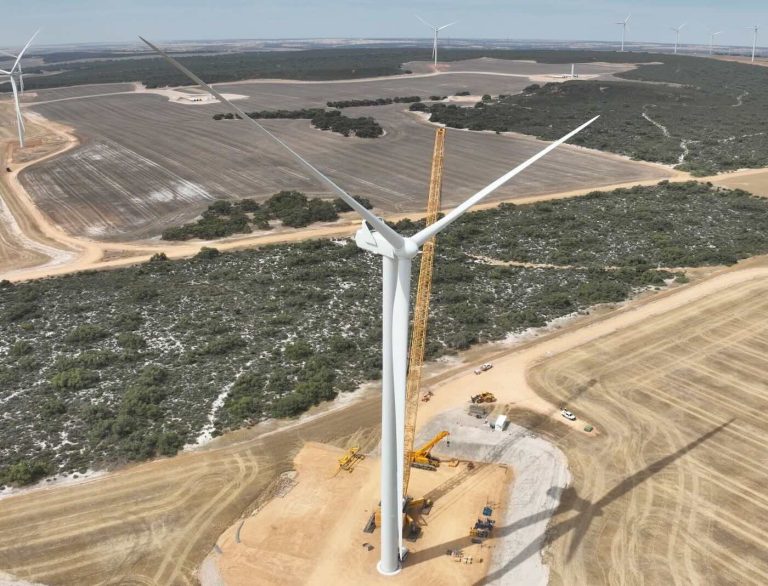
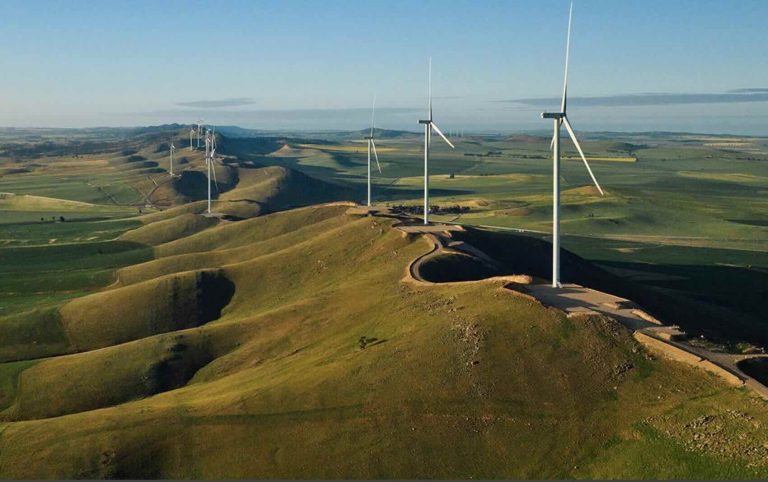
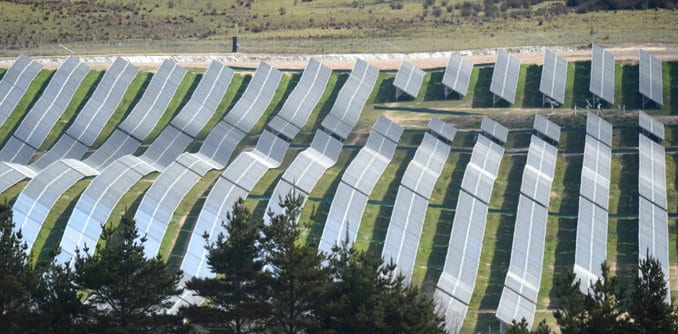
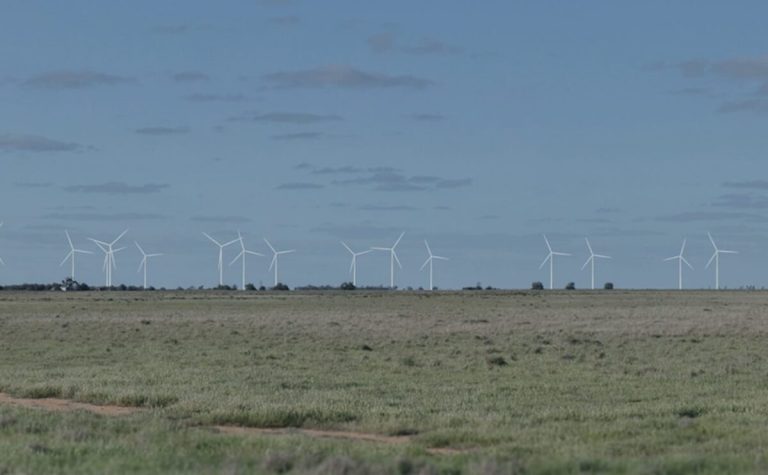
At present, South Australia generates approximately 75 per cent of its annual electricity needs from wind and solar energy, with ambitions to achieve 100 per cent “net” renewables by the end of next year. This net goal means that while the state will intermittently import and export energy with neighbouring regions and will still rely on some gas for security and reliability, wind and solar will ultimately meet the complete annual electricity demands, marking a world-first achievement.
ElectraNet’s forecasts, outlined in its latest transmission report, advocate for the establishment of new transmission lines essential for supporting the growth of wind and solar energy in untapped areas, as well as accommodating the heightened demand along major transmission routes. These predictions align closely with the state government’s and other significant energy utility forecasts, highlighting the potential for expansion and electrification across mining, steel production, data centres, defence, and desalination.
Infrastructure Development for Future Demand
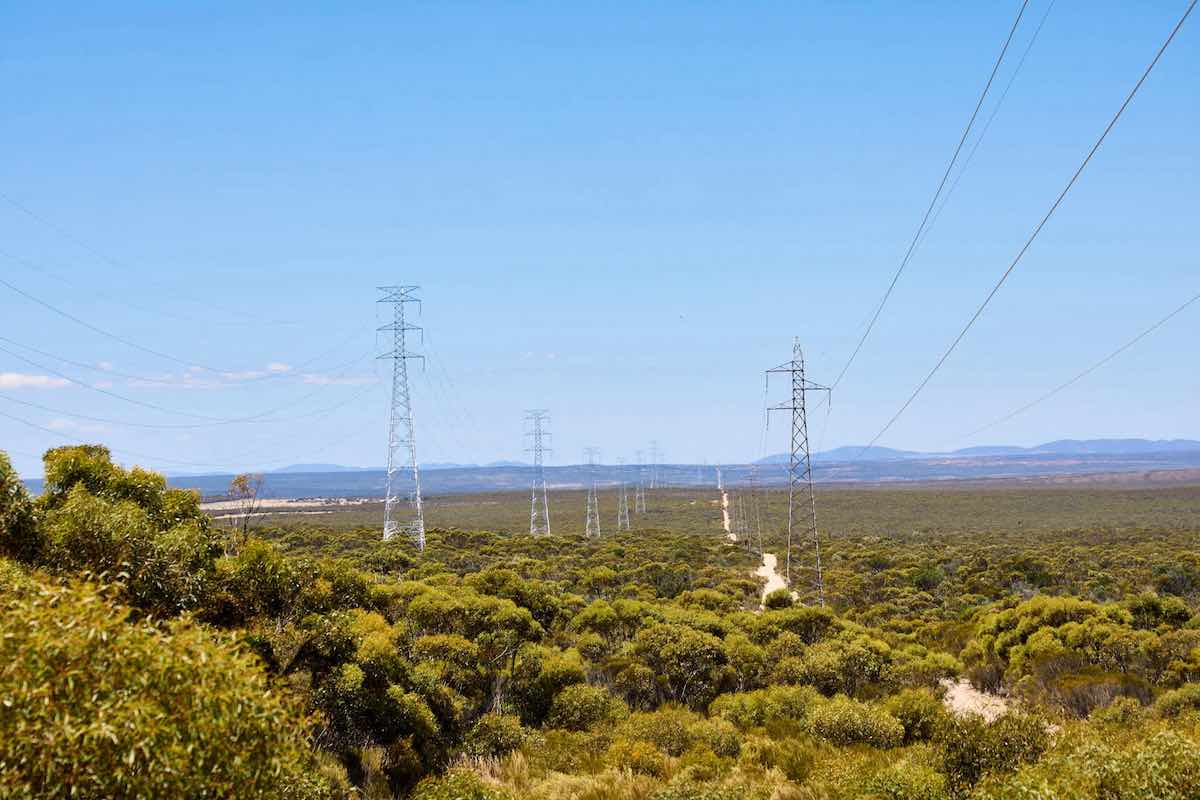
Emms highlighted the significance of transmission infrastructure, stating it will be critical to develop an electricity superhighway that directs energy from its generation sources to where it’s needed, while also managing variations in demand. He remarked, “While South Australia faces an exhilarating economic opportunity, we must ensure we are capable of seizing it. Getting the planning correct and having regulators and governing bodies adapt alongside us is essential as we navigate these unique energy challenges.”
ElectraNet has identified several key transmission projects necessary to facilitate this anticipated growth. These include enhancements to the network between Port Augusta and Whyalla and extending into the Eyre Peninsula, upgrades to the south-east transmission line, and strengthening of the main mid-north trunk line, all aimed at integrating more renewable energy from previously untapped regions while accommodating additional demand loads.
Furthermore, there is a proposed Northern Transmission project that aims to support demand growth in Adelaide and the mid-north around Bundey and Whyalla, further promoting the use of renewable energy.
Emms emphasised, “New transmission will be crucial for linking new generation and storage capabilities to existing customer demand, as well as meeting the rising demand from electrification alongside burgeoning industrial growth.”