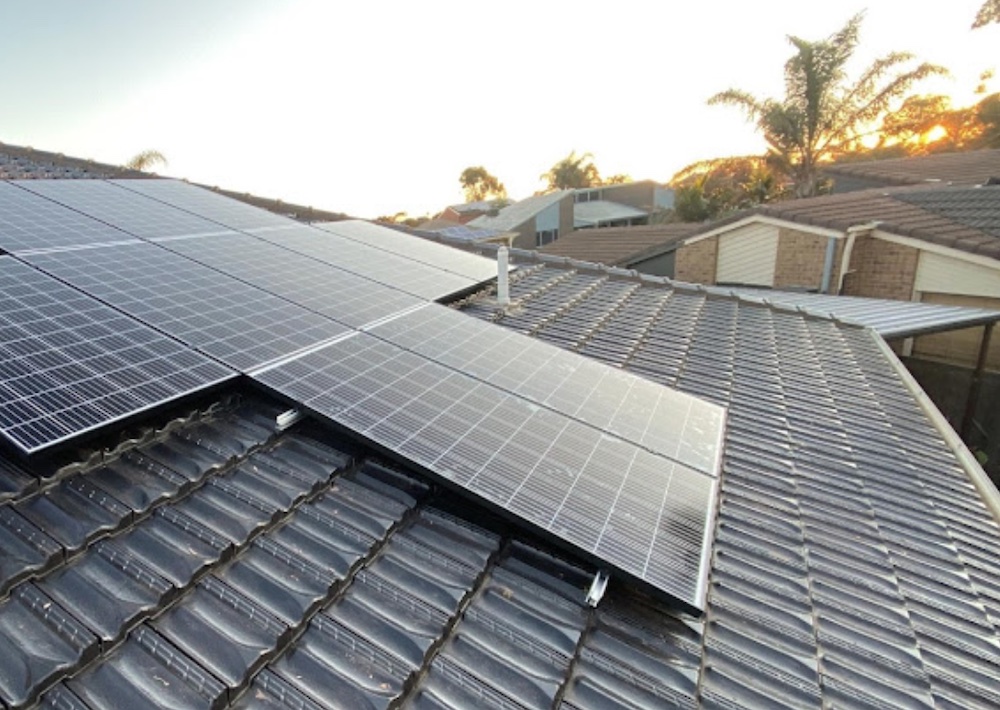
South Australia Introduces Solar Export Tariffs for Households
This month, South Australia Power Networks (SAPN) has begun implementing a rooftop solar export tariff, commonly referred to as the “sun tax,” making it the second state in Australia to adopt such a measure. This new charge will apply to energy retailers connected to its grid, which may subsequently pass the costs on to consumers.
The export tariff is applicable to all residential and business customers capable of sending solar energy back to the grid, specifically those with inverters up to 30kW. However, it only affects exports that exceed a certain daily limit and occur during a designated timeframe in the middle of the day.
Details of the Export Tariff
For households and businesses equipped with smart meters, the export tariff will only be levied on solar exports that surpass 9kWh per day, and this will apply between the hours of 10am and 4pm. During this six-hour window, SAPN will charge retailers 1 cent per kWh for any customer exports that exceed the 9 kWh threshold.
If a customer does not utilise their entire daily export allowance, the unused portion can be carried over to another day within the billing cycle, which typically lasts 30 to 31 days. SAPN has indicated that the impact on customer bills will depend on whether retailers choose to pass on these export charges. If they do, a typical residential customer could see an increase of approximately $1.50 per month, based on a 5kW inverter with average self-consumption and exports. For small business customers, the estimated cost could be around $6.00 per month, based on a 15 kW inverter with similar usage patterns.
Rationale Behind the Tariff
According to SAPN, South Australia is at the forefront of rooftop solar installations in the country, necessitating investments in the network to effectively manage the surplus solar generation. The export tariff, also known as two-way pricing, is only applied to excess energy exports. This means that the more solar energy individuals consume themselves, the less likely they are to incur charges for exporting surplus energy.
By implementing this tariff, the costs associated with upgrading the electricity network to accommodate these energy exports will be borne by those who benefit the most from it, thereby creating a fairer system for those who do not have the capacity to export energy.
Ongoing Debate Over Solar Export Tariffs
The topic of solar export tariffs has been contentious since it was first proposed to the Australian Energy Market Commission (AEMC) in 2020. At that time, SAPN, along with various consumer advocacy groups such as the Total Environment Centre, the St Vincent de Paul Society Victoria, and the Australian Council of Social Services, suggested a rule change to introduce these tariffs.
SAPN has also been actively involved in reform initiatives and trials of new technologies aimed at preventing the curtailment of solar energy. In some instances, these initiatives even incentivise customers to refrain from exporting their solar energy during periods of grid congestion.
Currently, New South Wales is the only other state in Australia where network companies have opted to impose an export tariff on solar customers. In contrast, other states, including Victoria, have decided against charging customers for solar energy exports.