Solar Surpasses Lignite, Keeping Germany’s Renewable Energy Share at 55.9% in 2025
The rapid expansion of solar PV capacity in Germany has played a crucial role in maintaining the country’s renewable energy share in the electricity grid at a steady 55.9 percent for 2025, according to a study by the Fraunhofer Institute for Solar Energy Systems (ISE).
In the past year, solar energy generation surged by 21 percent, contributing a remarkable 71 terawatt hours (TWh) to the public grid. This notable achievement marked the first time solar surpassed lignite-fired power generation, which produced 67 TWh.
Wind Power and Other Renewable Sources
Wind energy continued to hold the title of the largest renewable electricity source in Germany, generating a gross output of 132 TWh. However, unfavourable wind conditions resulted in a 3.2 percent decrease in output compared to the previous year.
Biomass contributed just over 36 TWh, while hydropower faced challenges from low precipitation, managing to produce just under 18 TWh. Overall, Germany’s renewable energy production, including geothermal sources, reached 278 TWh. Of this, 256 TWh entered the grid with 22 TWh utilised for operational needs, as reported by Fraunhofer ISE.
Targets and Renewable Capacity Challenges
Although the overall renewable power output increased by 6 TWh, it remained significantly short of the 2025 target of 346 TWh. The sluggish growth in both onshore and offshore wind capacity stood out as a primary factor for this deficit, with only 4.5 gigawatts (GW) and 0.29 GW of new capacity installed, respectively. The total installed capacity now stands at approximately 68 GW, notably lower than the targeted 76.5 GW.
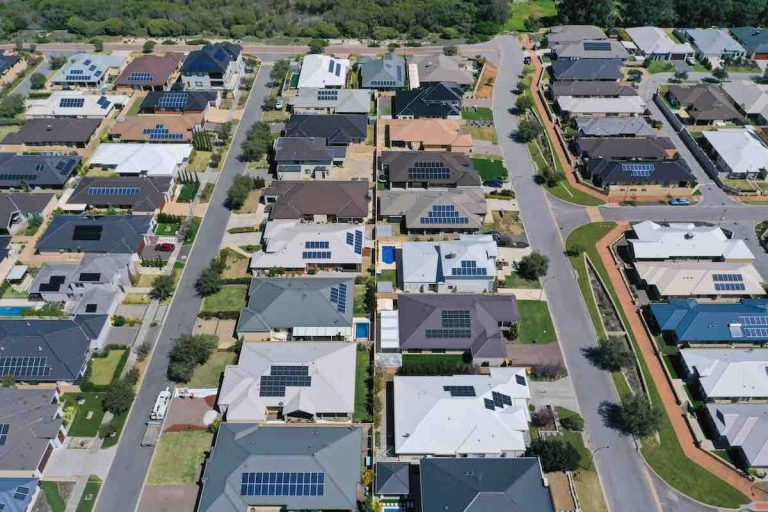
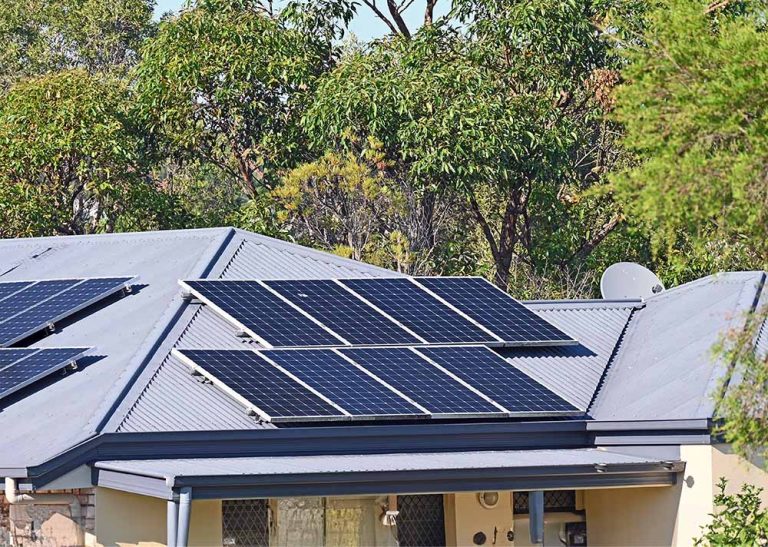
Furthermore, a considerable proportion of solar PV installations are oriented for self-consumption. Many new panels are installed with east or west orientations, which stabilise the grid during mornings and evenings but tend to miss the peak sunlight hours around midday.
The installed module capacity increased by roughly 16 GW, reaching nearly 117 GW. Nonetheless, experts from the institute indicate that Germany must add an additional 22 GW in 2026 to remain aligned with its climate objectives.
Shifts in Europe’s Energy Production
Throughout Europe, solar power production has seen a threefold increase over the last decade, while coal-fired electricity generation has plummeted by 60 percent. In Germany, lignite power output decreased by nearly 4 TWh in 2025, yet fossil fuel electricity generation saw a slight uptick, driven by increased hard coal and fossil gas output.
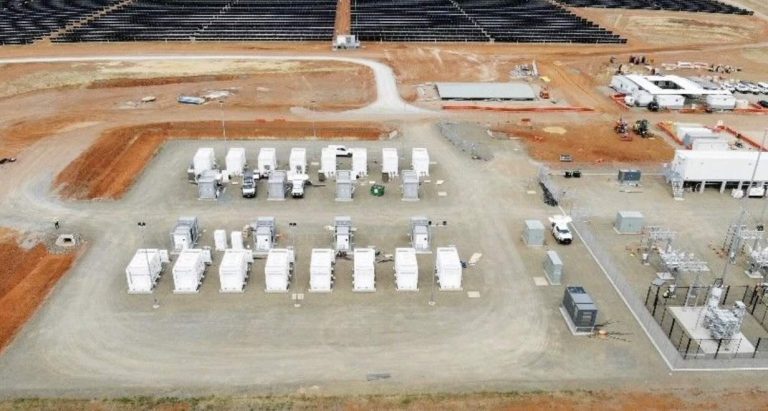
The study also highlighted a significant rise in electricity storage capacity, which has reached a total of 25 gigawatt hours (GWh). This growth has been facilitated by decreased costs and the potential for profit through the stabilisation of electricity prices.
Fraunhofer ISE projects that by 2030, the required storage capacity will fall between 100 and 170 GWh. Researcher Leonhard Gandhi emphasised that the surge in industrial-scale storage units is set to “fundamentally transform the functioning of Germany’s electricity system.”