Solar Project Seeks Federal Approval for Koala Protection Measures
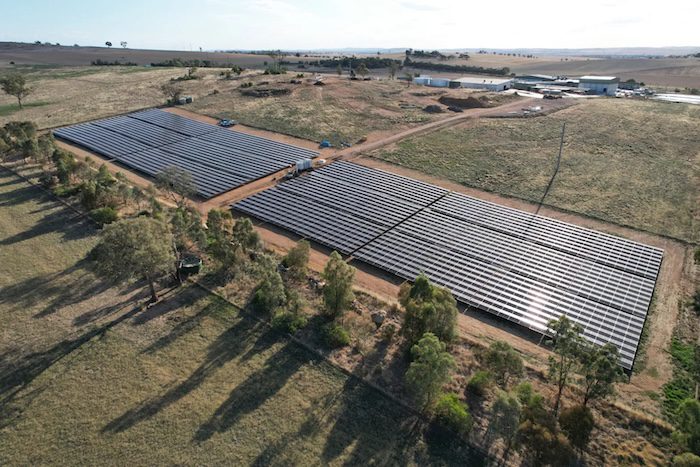
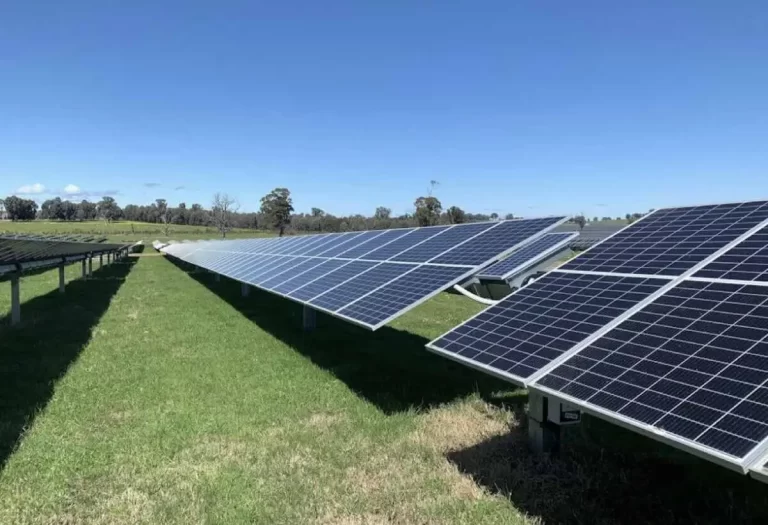
One of the successful bidders in Australia’s largest renewable energy tenders is currently navigating the Environmental Protection and Biodiversity Conservation (EPBC) Act, as it seeks to assure federal officials that sufficient measures are being implemented to safeguard local koalas.
The public is invited to submit comments on the 250 megawatt (MW) Hopeland solar project until February 10, as part of the federal assessment process it is undergoing.
Enhanced Assessment Requirements
The federal Department of Climate Change, Energy, the Environment and Water (DCCEEW) has mandated a more comprehensive assessment procedure, calling for additional details on how the developers will address potential harm to vulnerable plant and animal species. Initially, developer Pacific Partnerships highlighted ten threatened species that could reside in the vicinity, including the painted honeyeater, white-throated needletail, fork-tailed swift, koala, grey-headed flying fox, grey snake, yakka skink, Dunmall’s snake, Brigalow woodland snail, and Corben’s long-eared bat. However, the primary emphasis has now shifted to the conservation of koalas.
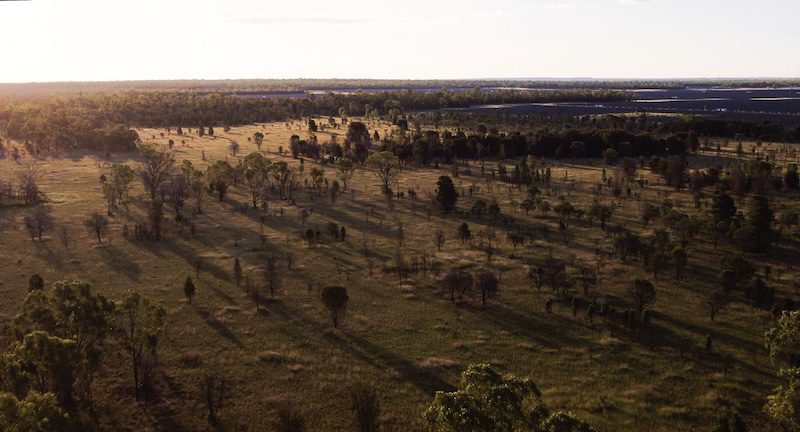
Accompanying documents for the public consultation outline several measures being proposed, such as the creation of a 100-metre-wide koala corridor, installation of koala-proof fencing to prevent their access to the solar panel area, a converted dam to serve as a waterhole, and a designated koala offset area located 45 kilometers to the south.
Environmental Impact Considerations
Pacific Partnerships asserts that the project can avoid most remnants of eucalypt open forest and all endangered Brigalow scrub, while minimising disturbance to no more than 62% of the land area. However, a significant concern lies in the necessity for extensive tree clearance, notwithstanding that the land is situated in an area heavily utilised for farming, with a strong focus on koala conservation.
The development will involve clearing 140.3 hectares of habitat, which could support both koalas and grey-headed flying foxes, amounting to approximately 40% of the remaining eucalypts on the site. Additional vegetation types, including brigalow, acacias, and scattered eucalypts, will also be removed.
Battery Component and Future Expansion
Alongside the southern Queensland solar project, a 175 MW battery with a two-hour storage capacity is planned as a partial replacement for the adjacent Kogan Creek coal-fired power station. The developer has indicated the potential to expand this battery to 250 MW and 500 megawatt-hours (MWh), having recently secured a connection agreement from the Australian Energy Market Operator (AEMO), as announced on LinkedIn.
The path to construction is proving lengthier than typical for solar-battery projects due to the rigorous EPBC oversight. Development approval was achieved three years ago, with connection approval anticipated in April 2024 to integrate with the grid via Powerlink’s neighbouring 275kV Western Downs substation.
Despite the heightened scrutiny from the federal DCCEEW, the project has garnered support from other branches of the federal government. In December 2024, the Hopeland solar initiative was selected as one of 19 successful wind, solar, and hybrid projects in what was then Australia’s largest renewable energy tender, comprising a total of 6.4 gigawatts awarded.
This project marks one of construction group CIMIC’s early ventures into renewable energy. It acquired the initiative through its in-house developer, Pacific Partnerships, from Brisbane-based Renewable Energy Partners in August 2023, and regards the battery component as its third large-scale renewable asset to receive a connection agreement.