Solar Farm Survives Cyclone in Australia’s Extreme Wind Zone
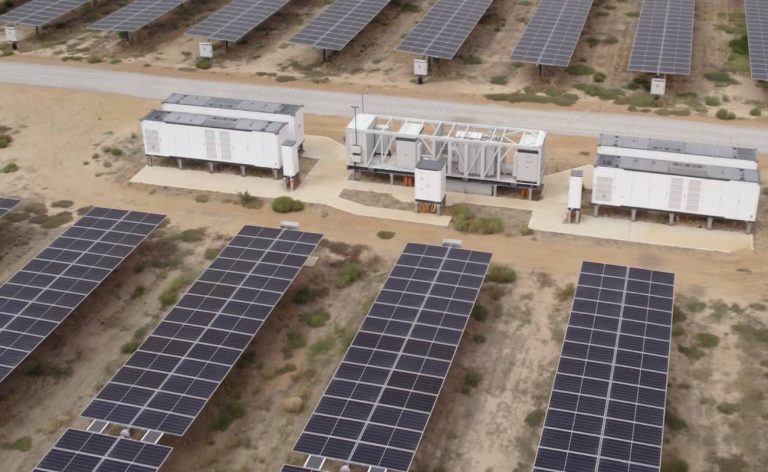
A recently inaugurated small solar farm located in Australia’s most severe wind zone showcased remarkable resilience when Tropical Cyclone Mitchell struck the area in February. According to its developers, the facility maintained its full operations without suffering any structural damage.
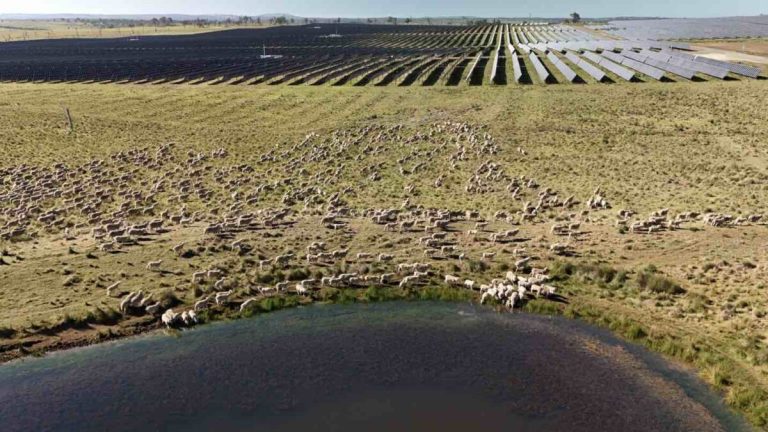
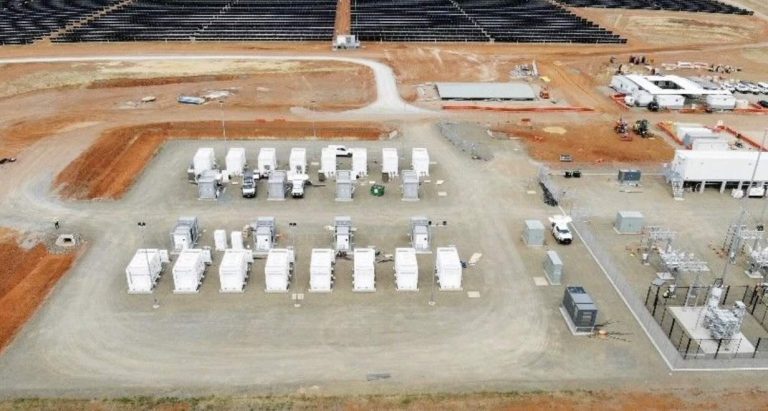
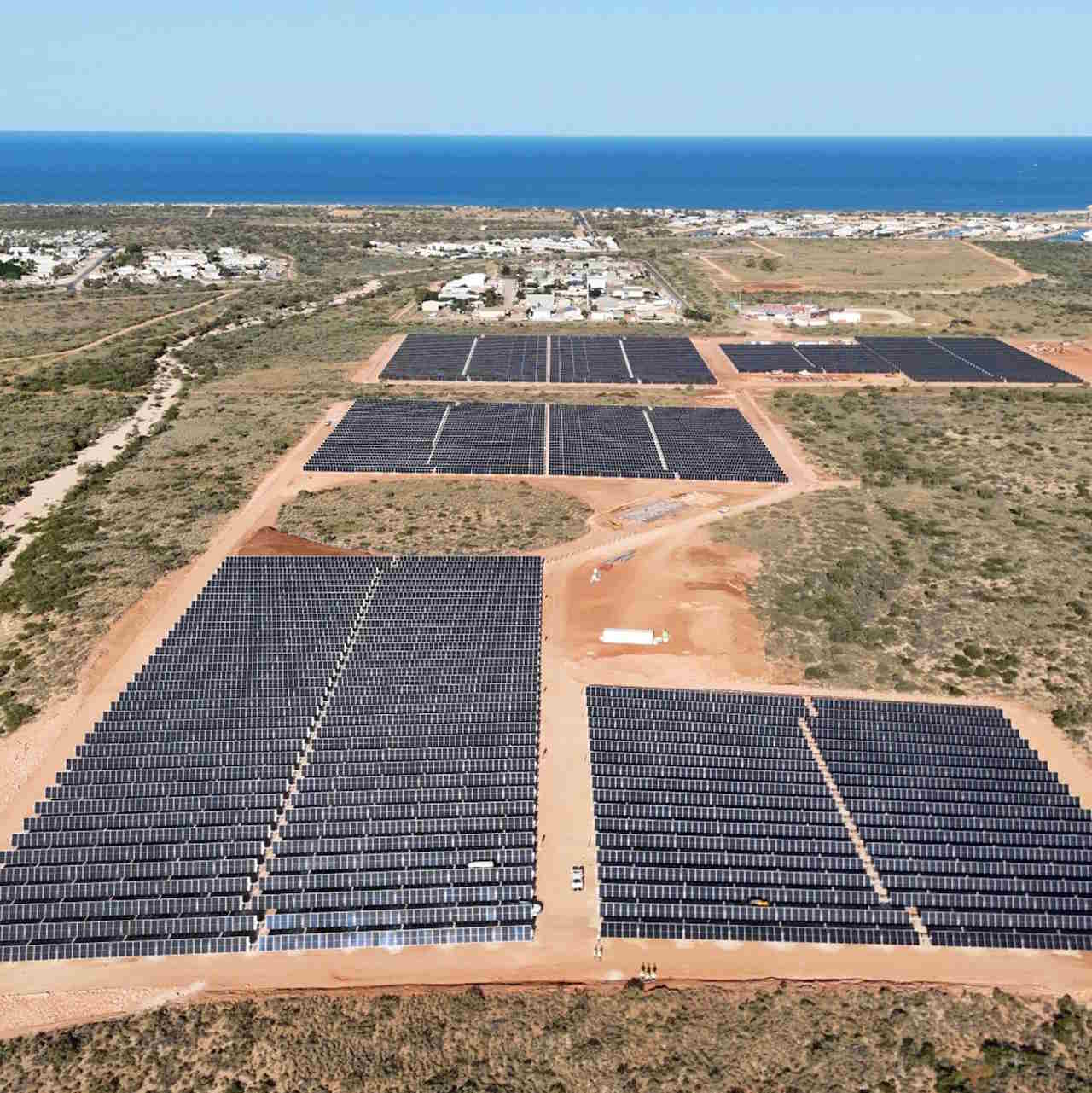
The Exmouth solar farm, boasting an output of 9.6 megawatts (MW), was finished mere months prior by Pacific Energy. Positioned on the North West Cape of Western Australia, it forms part of a significant hybrid initiative aimed at significantly curtailing the region’s reliance on gas and diesel.
Weathering the Storm
This charming resort town sits within the only part of Australia classified with a wind speed rating of ‘D’, indicating potential gusts that can regularly surpass 288 km/h and occasionally reach 317 km/h.
Cyclone Mitchell originated as a fierce tropical cyclone but had downgraded to a Category 2 by the time it arrived at Exmouth on February 8. Nevertheless, it still unleashed powerful winds and heavy rainfall across the region.
Proving the Technology
James Butcher, director of project engineering at Nextpower, a solar technology firm based in California, stated that despite the storm’s intensity, it served as an excellent test for their technology. The area classified as Wind Region D has historically been deemed too extreme for the use of solar trackers.
Solar trackers, which adjust the angle of solar panels to follow the sun’s trajectory throughout the day, optimise energy production. Given the severe wind conditions in this region, the absence of solar trackers has been understandable.
“As Cyclone Mitchell approached Exmouth on 8 February 2026, the site was subjected to destructive winds, heavy rain, and disruptions to the regional power grid,” Butcher relayed in a LinkedIn post.
“Post-event inspections verified the absence of structural harm, foundation shifts, or mechanical failures, with the system remaining entirely functional.”
Implications for Future Solar Projects
Butcher highlighted that this experience provides critical real-world evidence that tracker systems can reliably function under extreme conditions. This is particularly pertinent given the significant number of gigawatts of large-scale solar projects currently planned and underway to cater to the vast iron ore mines, regional communities, and low-carbon industries.