Solar Battery Hybrids: Key Technology for Australia’s Green Energy Transition
Australia’s shift towards green energy is encountering significant hurdles, with rising transmission costs and delays in project timelines. As of 2025, no large-scale wind projects have achieved financial closure, highlighting the disjointed nature of the transition.
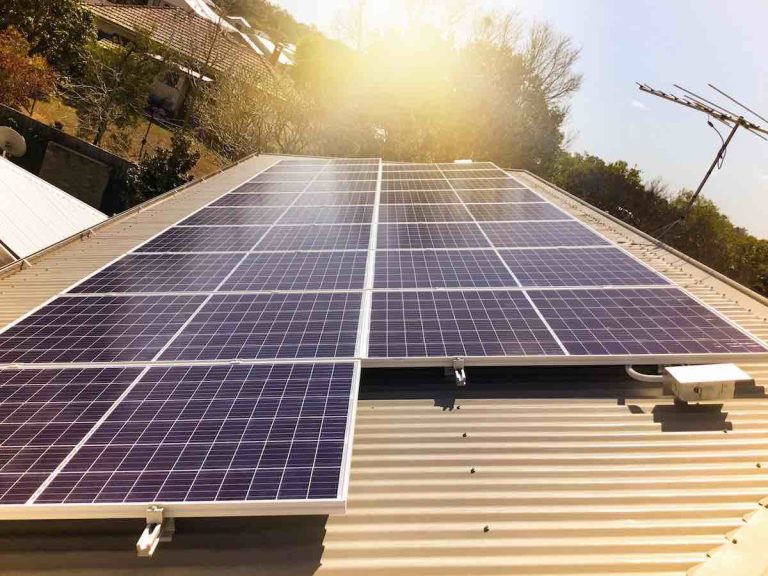
On a brighter note, the household sector remains robust. The surge in electricity bills has kept rooftop solar installations in high demand, despite concerns about market saturation. Additionally, the federal rebate for home batteries has proven to be exceptionally successful.
Solar and Battery Storage: The Future of Energy
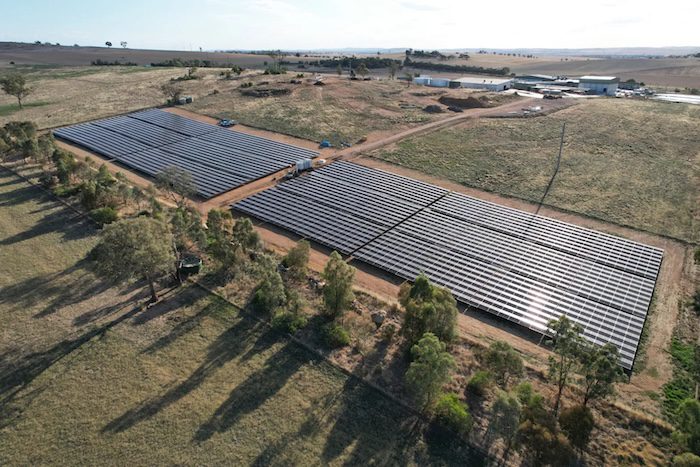
Solar and battery storage technologies appear to be the most viable options for utility-scale energy production, thanks to decreasing costs and ease of deployment. These technologies are particularly well-suited to meet the needs of large industrial consumers. Developers are now hesitant to pursue solar-only projects, as the prevalence of rooftop solar is likely to drive daytime prices negative.
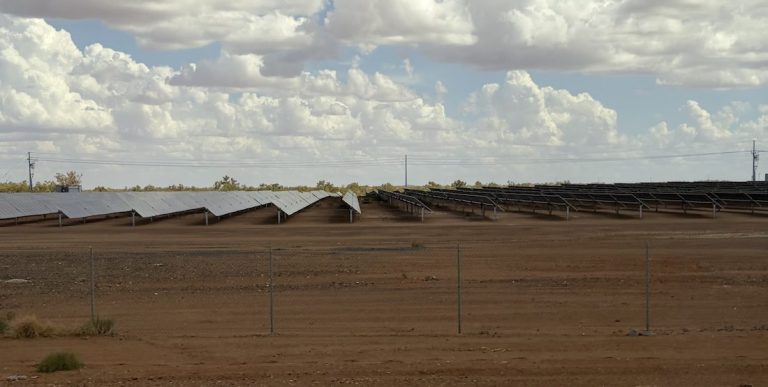
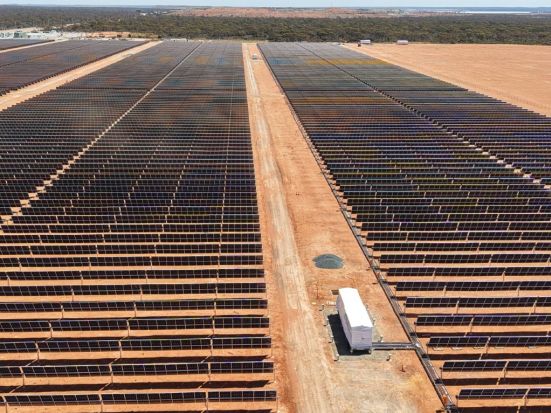
Interestingly, there are currently no large-scale solar battery hybrids operational on the main grid. However, the Cunderdin solar battery project in Western Australia has been successfully shifting solar output to meet evening demand, even extending its benefits past midnight.
Upcoming Solar Hybrid Projects
Change is on the horizon, with several solar hybrid projects under construction, including those at Fulham in Victoria and Quorn Park in New South Wales. The most significant project is expected to be located near Gladstone in Queensland, where it will provide reliable power to the state’s largest energy consumer, the Rio Tinto-owned Gladstone aluminium smelter and refineries.
Lachlan Martin from Edify Energy has announced a groundbreaking 600 megawatt (MW), 2,400 megawatt hour (MWh) contract with Rio Tinto for the Smoky Creek and Guthrie Gap solar and battery project, marking the largest agreement of its kind.
Innovative Revenue Sharing Agreements
Martin clarified that this arrangement is a revenue share agreement rather than a traditional power purchase agreement (PPA). This means Rio Tinto will benefit not only from the energy generated but also from additional revenue streams such as frequency control ancillary services (FCAS).
Despite mixed signals from the new LNP state government, Rio Tinto has emphasised that the future of its Gladstone operations hinges on a successful transition from coal to renewable energy. The company has already secured substantial contracts with the proposed 1.4 GW Bungaban wind project and the 1.2 GW Upper Calliope solar project.
The Advantages of Solar Battery Hybrids
Martin highlighted several advantages of a DC-coupled solar battery hybrid system. One key benefit is the ability to avoid system strength charges, as a battery equipped with grid-forming inverters can provide essential grid services. Additionally, these systems can store solar energy when prices are low and release it during peak demand hours, mitigating the risks associated with fluctuating wholesale prices.
He also pointed out the introduction of new peak futures contracts on the Australian Stock Exchange, which focus on evening demand from 4pm to 9pm. This aligns perfectly with solar hybrids equipped with four-hour batteries, positioning them well to meet market needs.
Competitive Edge in Capacity Investment Scheme
Solar hybrids are also well-placed to compete in the federal government’s Capacity Investment Scheme, which has recently expanded to 40 gigawatts to be allocated by 2027. Martin explained that if a battery can generate its own revenue as a standalone project, the remaining solar farm can operate without incurring connection or inverter costs, making it competitive in auctions.
He noted a significant shift in the market away from traditional take-or-pay PPAs, as industrial users become more sophisticated and demand tailored energy solutions. With businesses accounting for the majority of electricity consumption in Australia, this trend is crucial.
Challenges for Wind Energy Development
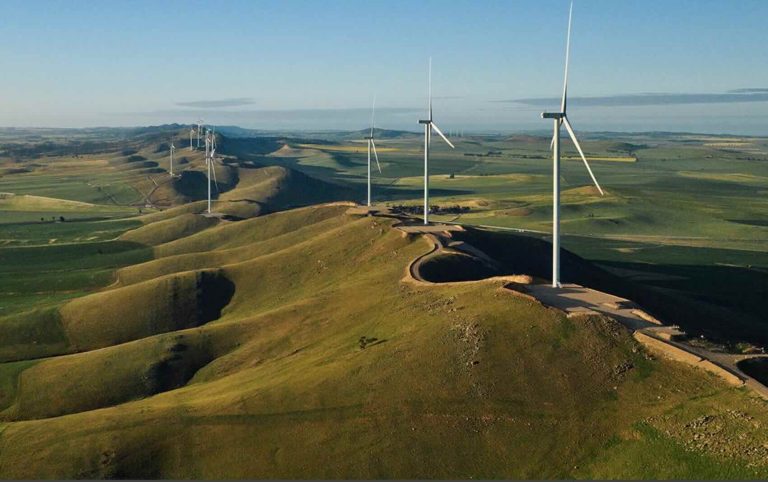
Martin expressed concerns about the increasing difficulties surrounding wind energy development timelines and approvals. With no new planning approvals for wind projects submitted in Queensland this year, and previous approvals being cancelled, the outlook appears bleak.
He remarked that the anticipated decline in wind capital expenditure has not materialised, and when compared to the cost reductions seen in solar hybrids, the construction costs for solar hybrids are now competitive with or even lower than those for wind projects.
The Growing Demand for Data Centres
Looking ahead, Martin highlighted the rising demand for data centres, which currently account for 2.4% of Australia’s energy load and are expected to grow by approximately 25% annually. If adequate generation capacity is not developed to support these facilities, they could negatively impact other energy consumers sensitive to price fluctuations.
Stephen Sproull from Hitachi noted that while Australia has excelled in adopting solar and battery technologies, it has lagged in the deployment of DC-coupled solar hybrids. However, he believes that the introduction of grid-forming variants could position Australia as a leader in this area.
Conversely, Jack Han from Tesla advocated for AC-coupling, citing its flexibility. He expressed interest in seeing how the incentives for DC-coupling play out in the Australian market.