Solar and Battery Projects Surge as Wind Plans Accumulate
In the last fortnight, a wave of new solar and battery initiatives has emerged in the energy market operator’s grid management system, highlighting their growing appeal to investors, whether independently or as solar-battery hybrids.
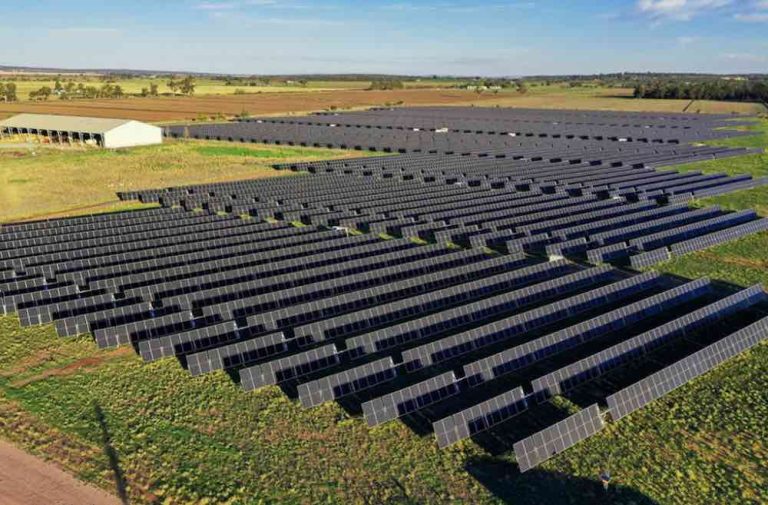
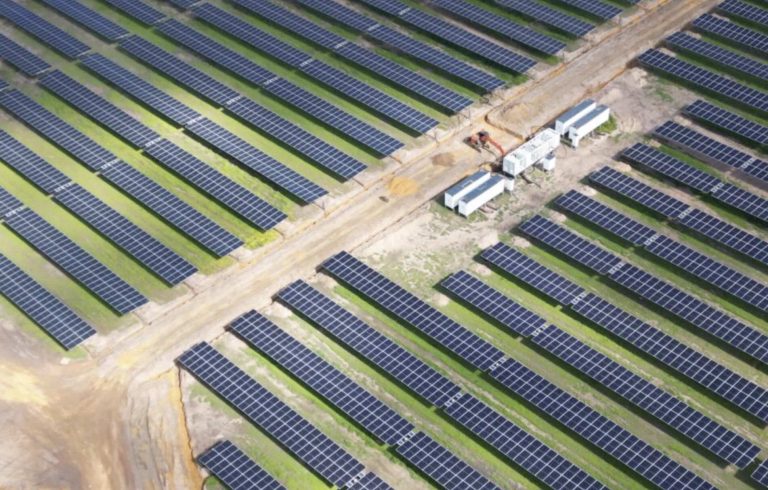
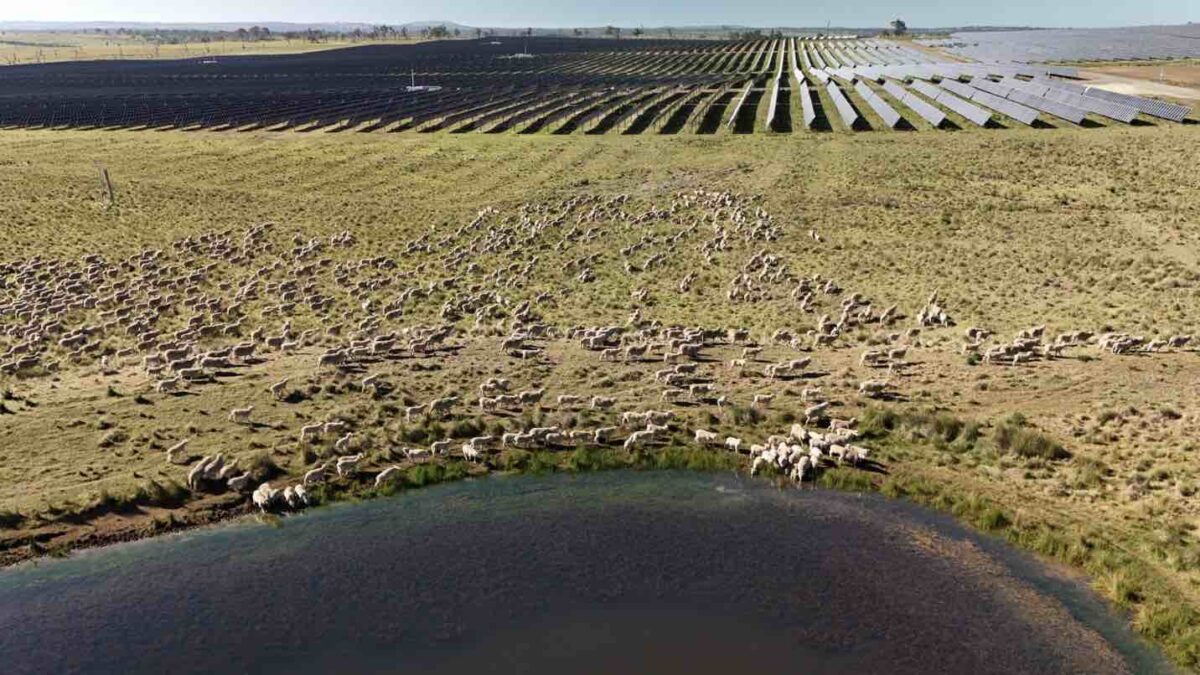
The first notable addition, unveiled last week, is Acen Australia’s impressive 200 megawatt (MW), 400 megawatt-hour New England battery energy storage system (BESS), strategically positioned alongside the country’s still-significant 720MW New England solar farm.
Government Backing and Future Potential
As reported by Renew Economy, the New England BESS is supported by the NSW government’s Emerging Energy Program, a $75 million initiative designed to expedite the development of new firmed renewables as the state gears up for a future less reliant on coal.
The solar component, which completed its first 400 MW phase at the beginning of last year, also enjoys the backing of a two-decade underwriting agreement from the NSW state government.
Geoff Eldridge from Global Power Energy explains that the New England BESS is listed on AEMO’s Market Management System (MMS) as two bidirectional battery units, identified by two distinct Dispatchable Unit Identifiers (DUIDs).
“The fact that the New England BESS is registered across two DUIDs serves as a useful reminder that larger BESS projects can be represented in the MMS as multiple unit groupings rather than a single item,” Eldridge observes.
New Solar Farms Join the Ranks
Also making their way onto the AEMO dashboard by the end of last week were two solar farms: the 100 MW Bundaberg Solar Farm by Global Power Generation in Queensland and the 80 MW Lancaster Solar Farm by European Energy in Victoria.
Notably, both projects are underpinned by power purchase agreements with prominent corporate clients—Telstra for Bundaberg and Apple for Lancaster. Consequently, Eldridge points out that both projects are classified by AEMO as semi-scheduled generating units.
A Wind Power Resurgence?
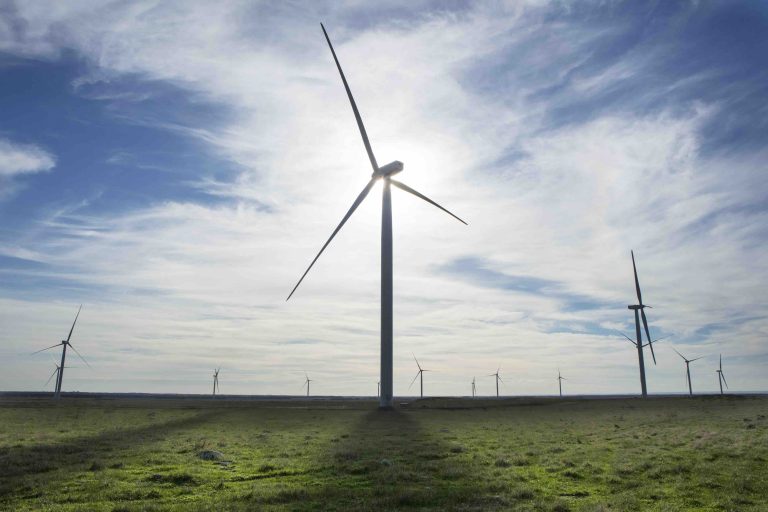
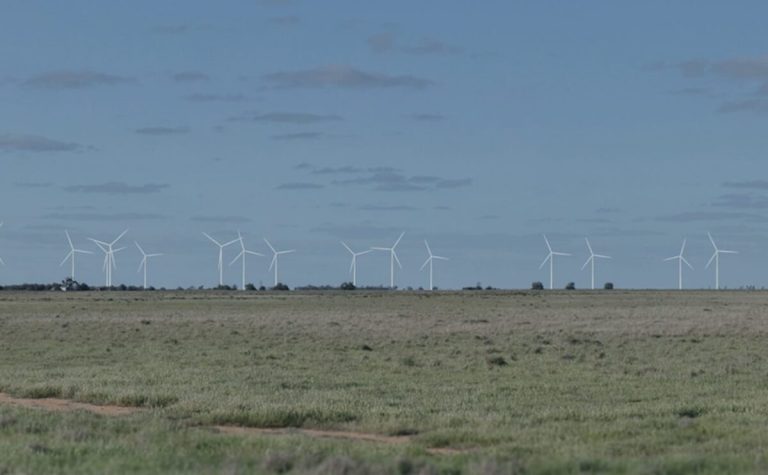
While solar and batteries have taken centre stage in the grid management system this month, new wind projects have notably dominated entries into the federal EPBC queue, suggesting that 2026 could mark a resurgence for wind energy.
This week, the Twin Hills wind farm proposal emerged for federal environmental assessment, aiming to establish up to 110 turbines alongside a battery, located 30 km north-east of Eneabba and 260 km north of Perth in Western Australia.
Furthermore, Equis Wind Australia has submitted a proposal for a substantial 600 MW wind farm, along with associated ancillary infrastructure, to be located in Jackson North, roughly 35 km south-west of Wandoan in Queensland.