Solar and Battery Projects Surge as Wind Plans Accumulate
In an exciting development within the energy market, a wave of new solar and battery initiatives has emerged in the grid management system overseen by the energy market operator over the past fortnight. This trend underscores the increasing attractiveness of these technologies to investors, both individually and as integrated solar-battery hybrid systems.
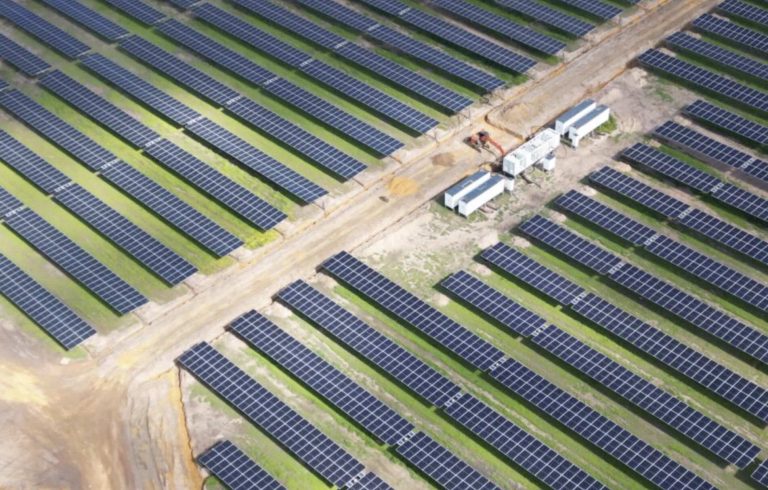
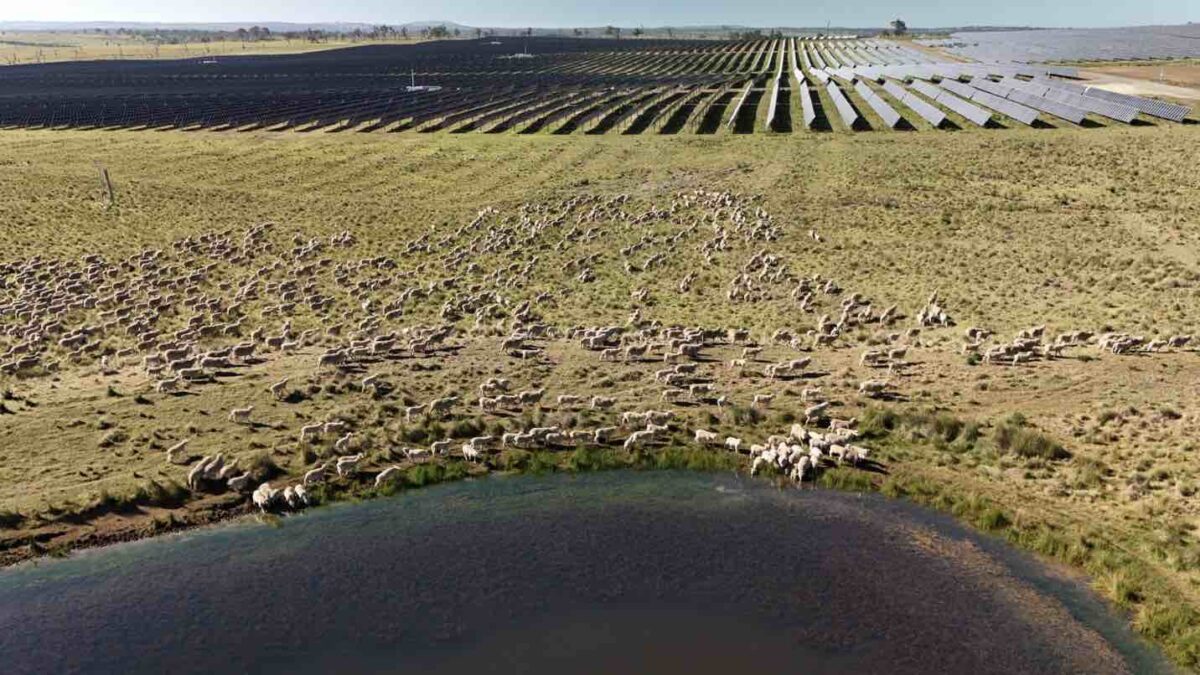
Leading the charge, Acen Australia recently introduced a significant 200 megawatt (MW) battery energy storage system (BESS) at their New England site, complementing one of the nation’s largest solar farms, which boasts a capacity of 720MW. This addition marks a key milestone in Australia’s push towards renewable energy solutions.
Government Support for Renewable Projects
The New England BESS benefits from support under the NSW government’s Emerging Energy Program, a $75 million initiative aimed at accelerating the development of new, reliable renewable energy sources as the state transitions away from coal dependency. The solar installation’s first stage, with a capacity of 400 MW, was completed at the beginning of the previous year, also receiving backing through a 20-year underwriting agreement from the state government.
According to Geoff Eldridge from Global Power Energy, the New England BESS is represented in the AEMO’s Market Management System (MMS) under two different Dispatchable Unit Identifiers (DUIDs) as bidirectional battery units. Eldridge highlights that the division of larger BESS projects into multiple unit groupings in the MMS is a useful consideration for future projects.
New Solar Farms Joining the AEMO Dashboard
In addition to the BESS, two solar farms have been added to the AEMO dashboard recently. Queensland’s Global Power Generation has announced the 100 MW Bundaberg Solar Farm, while European Energy is launching the 80 MW Lancaster Solar Farm in Victoria. Both projects have secured power purchase agreements with notable corporate partners: Telstra for Bundaberg and Apple for Lancaster, categorising them as semi-scheduled generating units in the system.
While solar and battery projects have been at the forefront this month, the federal environmental approvals queue is seeing a notable influx of new wind projects. This could signal a potential resurgence for wind energy in 2026. Emerging in the queue is Wind Prospect’s Twin Hills wind farm, which plans to deploy up to 110 turbines along with battery storage, situated 30 km northeast of Eneabba, approximately 260 km north of Perth in Western Australia.
Another noteworthy proposal comes from Equis Wind Australia, which seeks to develop a 600 MW wind farm, complete with “associated ancillary infrastructure,” located in Jackson North, roughly 35 km southwest of Wandoan in Queensland.