Solar and Battery Projects Surge as Wind Plans Accumulate
In the past fortnight, there has been a significant influx of solar and battery initiatives showcased in the energy market operator’s grid management system, underlining the growing interest from investors in these technologies, both individually and as integrated solar-battery hybrids.
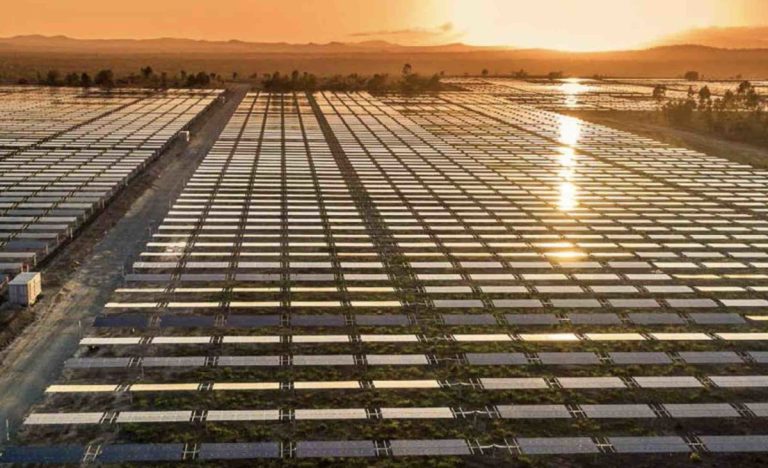
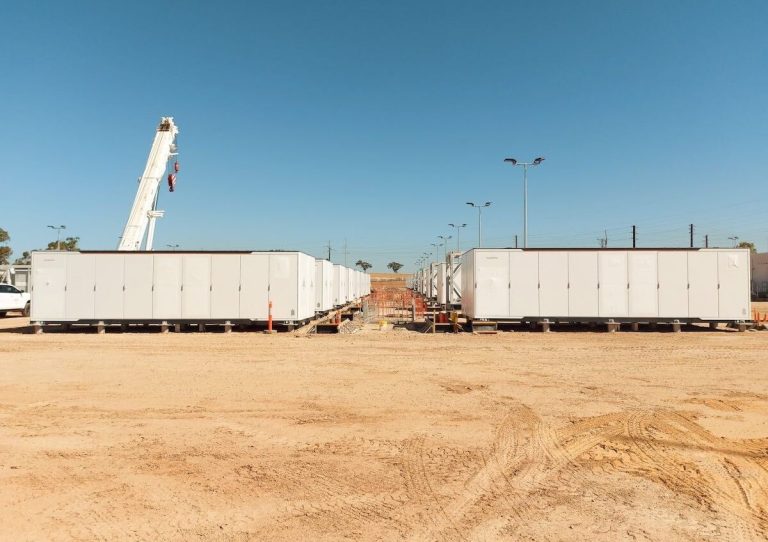
The latest addition was Acen Australia’s impressive 200 megawatt (MW), 400 megawatt-hour New England battery energy storage system (BESS), which has been strategically situated next to one of the nation’s largest photovoltaic projects, the 720MW New England solar farm.
Government Support and Backing
As reported by Renew Economy, the New England BESS has received backing from the New South Wales (NSW) government through its Emerging Energy Program, which allocates $75 million to expedite the development of new firmed renewables, in preparation for a post-coal grid in the state. The solar section of the project, with its initial 400 MW stage completed by the start of last year, enjoys further support from a 20-year underwriting agreement facilitated by the NSW state government.
Geoff Eldridge from Global Power Energy notes that the New England BESS is recorded in AEMO’s Market Management System (MMS) as two distinct bidirectional battery units, each identified by unique Dispatchable Unit Identifiers (DUIDs). He remarks, “The New England BESS split across two DUIDs is … a useful reminder that larger BESS projects can appear in MMS as multiple unit groupings rather than a single line item.”
New Solar Developments
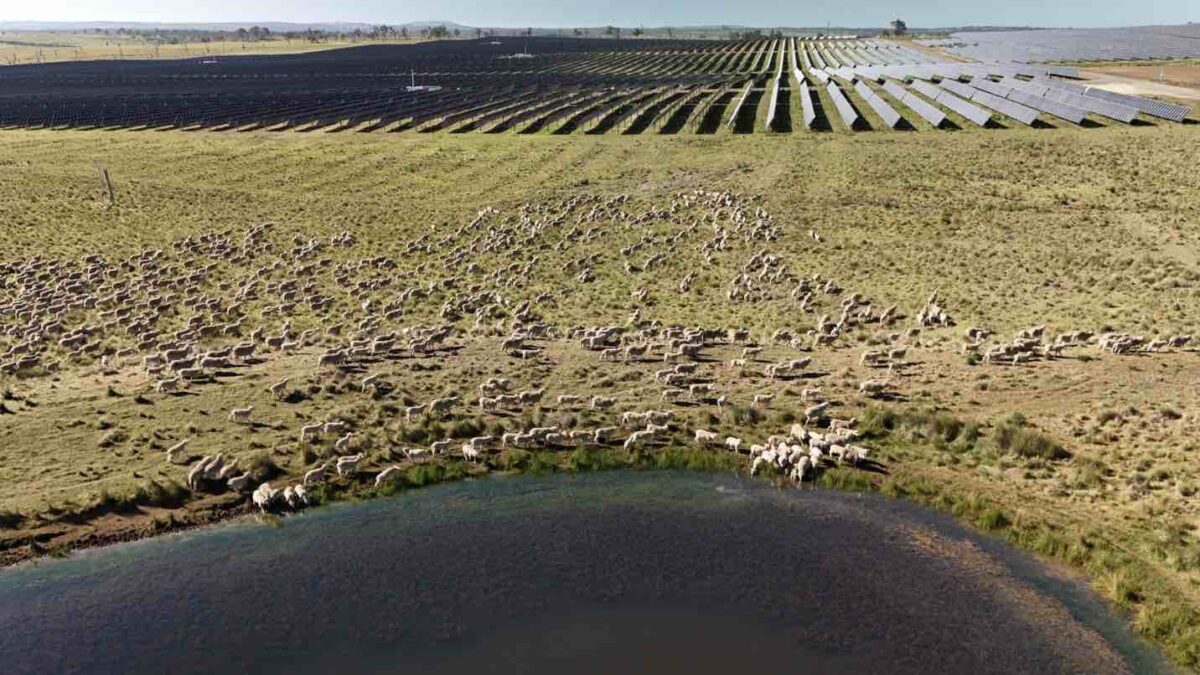
By the end of last week, two additional solar farms made their debut on the AEMO dashboard: Global Power Generation’s 100 MW Bundaberg Solar Farm in Queensland, and European Energy’s 80 MW Lancaster Solar Farm in Victoria. Notably, both projects have secured power purchase agreements with renowned corporate clients, Telstra for Bundaberg and Apple for Lancaster. Consequently, both installations are categorised as semi-scheduled generating units in AEMO’s records.
Wind Projects on the Horizon
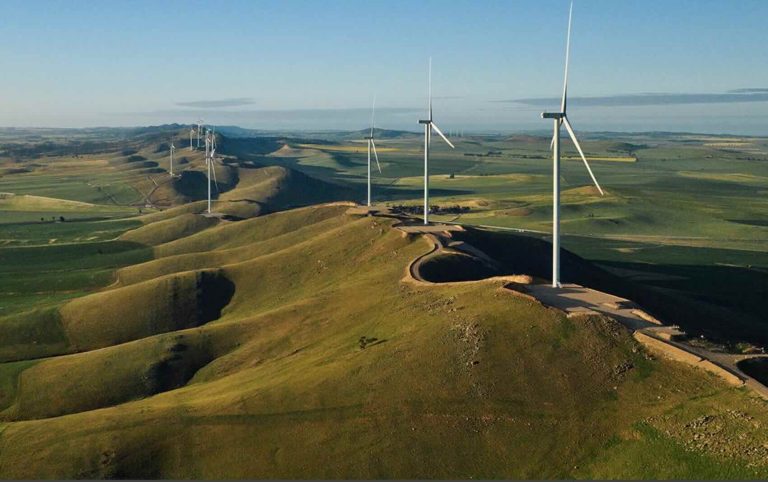
While this month has seen a rise in solar and battery projects entering the grid management system, the new wind initiatives have recently taken the lead in joining the federal Environmental Protection and Biodiversity Conservation Act (EPBC) queue. This trend may suggest a resurgence for wind energy in 2026.
New proposals for federal environmental assessment include the Twin Hills wind farm, which is set to feature up to 110 turbines along with battery storage, being put forward by Wind Prospect, located 30 km north-east of Eneabba and approximately 260 km north of Perth in Western Australia. Additionally, Equis Wind Australia is proposing a substantial 600 MW wind farm, complete with “associated ancillary infrastructure,” in Jackson North, roughly 35 km south-west of Wandoan in Queensland.