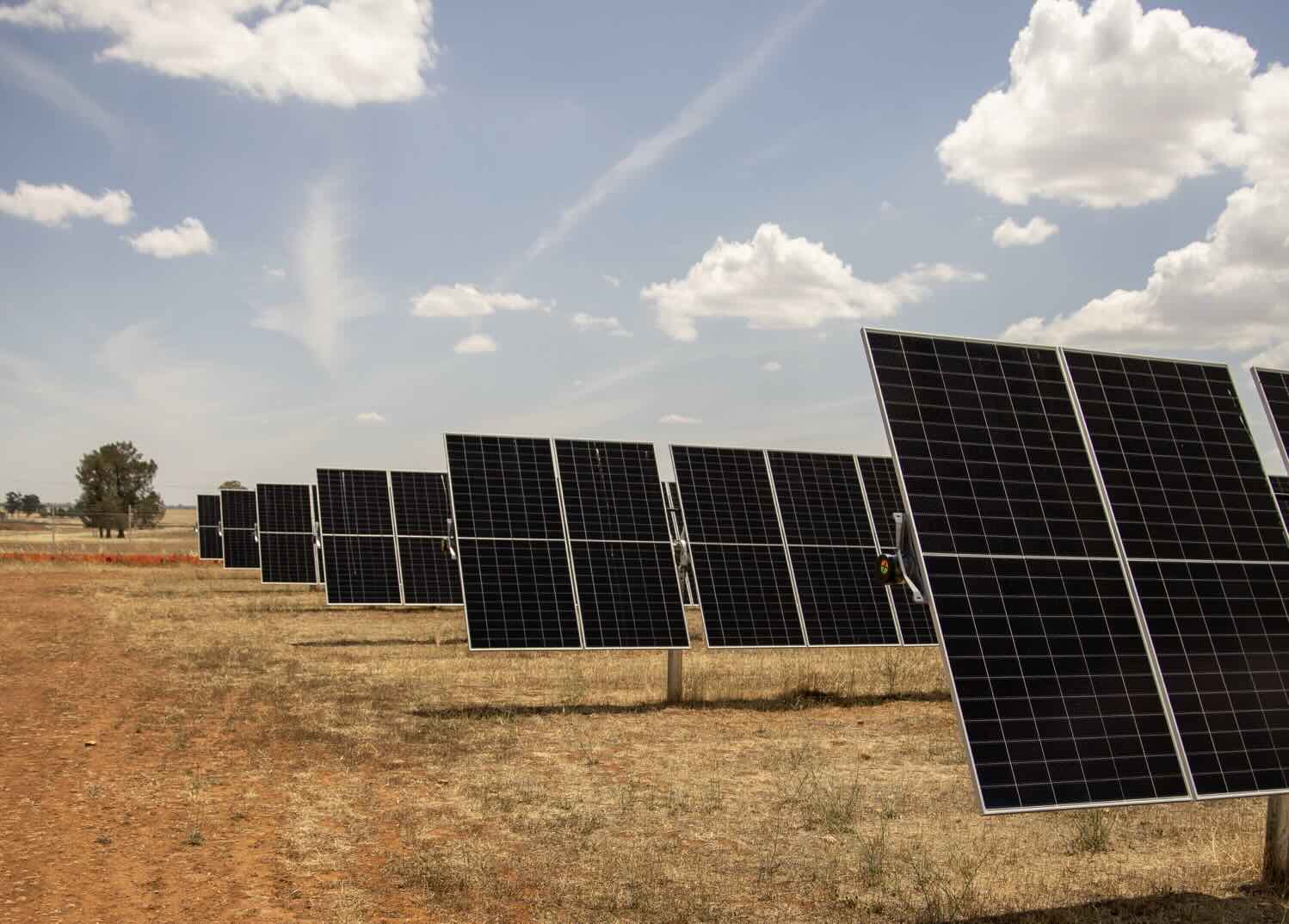
Solar and Battery Project Approved Despite Public Objections
A significant solar initiative boasting an almost one gigawatt capacity, complemented by a battery energy storage system exceeding 1.5 gigawatt-hours, has received approval from the independent planning authority after addressing over 50 public objections.
On Friday, the New South Wales Independent Planning Commission (IPC) announced its endorsement of Spark Renewable’s Dinawan solar and battery project, which features an 800 megawatt (MW) solar farm and a 356 MW /1,574 megawatt-hour (MWh) battery system intended for development in the southwest region of the state.
Details of the Planning Process
This project was referred to the IPC in January, along with Edify Energy’s Burroway 100 MW solar and battery initiative and two standalone large-scale battery projects near Albury and Deniliquin. Such referrals are necessary under state planning regulations when a project garners more than 50 public submissions.
The planning legislation’s peculiar requirement has become increasingly debated, particularly as most objections stem from remote areas rather than from local residents who might be directly affected. In the case of the Dinawan project, only three submissions originated from individuals living within a 5-kilometre radius, with an additional 11 from within 100 kilometres and a substantial 66 from further afield, including 12 from outside the state.
Opposition and Community Concerns
Among the objections were three special interest groups, including a Queensland organisation named Climate and Energy Realists. This group argues that there is “no climate emergency” and calls for the termination of energy subsidies while favouring nuclear power, which itself requires considerable investment.
Importantly, none of the primary agencies, including the local council, opposed the Dinawan initiative, and Spark Renewable made adjustments in response to consultations with these authorities.
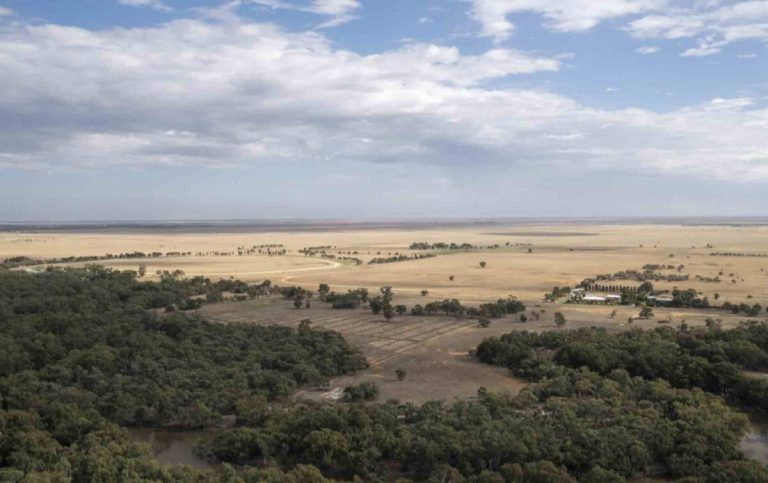
Situated between Coleambally and Jerilderie in southwest New South Wales, the Dinawan project lies within a region already hosting two existing solar farms, Coleambally and Darlington Point, alongside several proposed solar and wind projects, including the notable Yanco Delta wind farm.
Assessment and Findings of the IPC
Throughout the assessment process, the IPC’s two-member panel engaged with key stakeholders, conducted a local site inspection, and received a total of 43 written submissions, of which only two came from within 5 kilometres of the project. Additionally, 13 community members provided input during stakeholder meetings.
In its Statement of Reasons for Decision, the IPC concluded that the project would contribute to “improving grid stability and energy security” and aligns with state government goals for advancing renewable energy adoption.
The commission thoroughly examined concerns, including cumulative impacts, traffic, noise, social implications, local infrastructure, and emergency measures, and has established conditions to mitigate negative effects.
The imposed conditions require the development of a traffic management plan, adherence to specified construction hours and noise control measures, a fire safety study and emergency plan, as well as an accommodation and employment strategy.
Environmental Considerations Addressed
Among the community concerns addressed were fears regarding potential environmental contamination from solar panels leaking heavy metals and chemicals. The commission acknowledged these anxieties while noting that they accepted guidance from the relevant department in line with the state’s Large-scale Solar Energy Guidelines, which indicate that for contaminants to be released, solar panels would need to be finely ground to dust.
Although Spark Renewables has yet to issue a formal statement regarding the IPC’s decision, the company acknowledged in a news update from March the New South Wales government’s support through the Investment Delivery Authority (IDA) aimed at facilitating the transition of the Dinawan wind and solar projects from proposal to implementation.