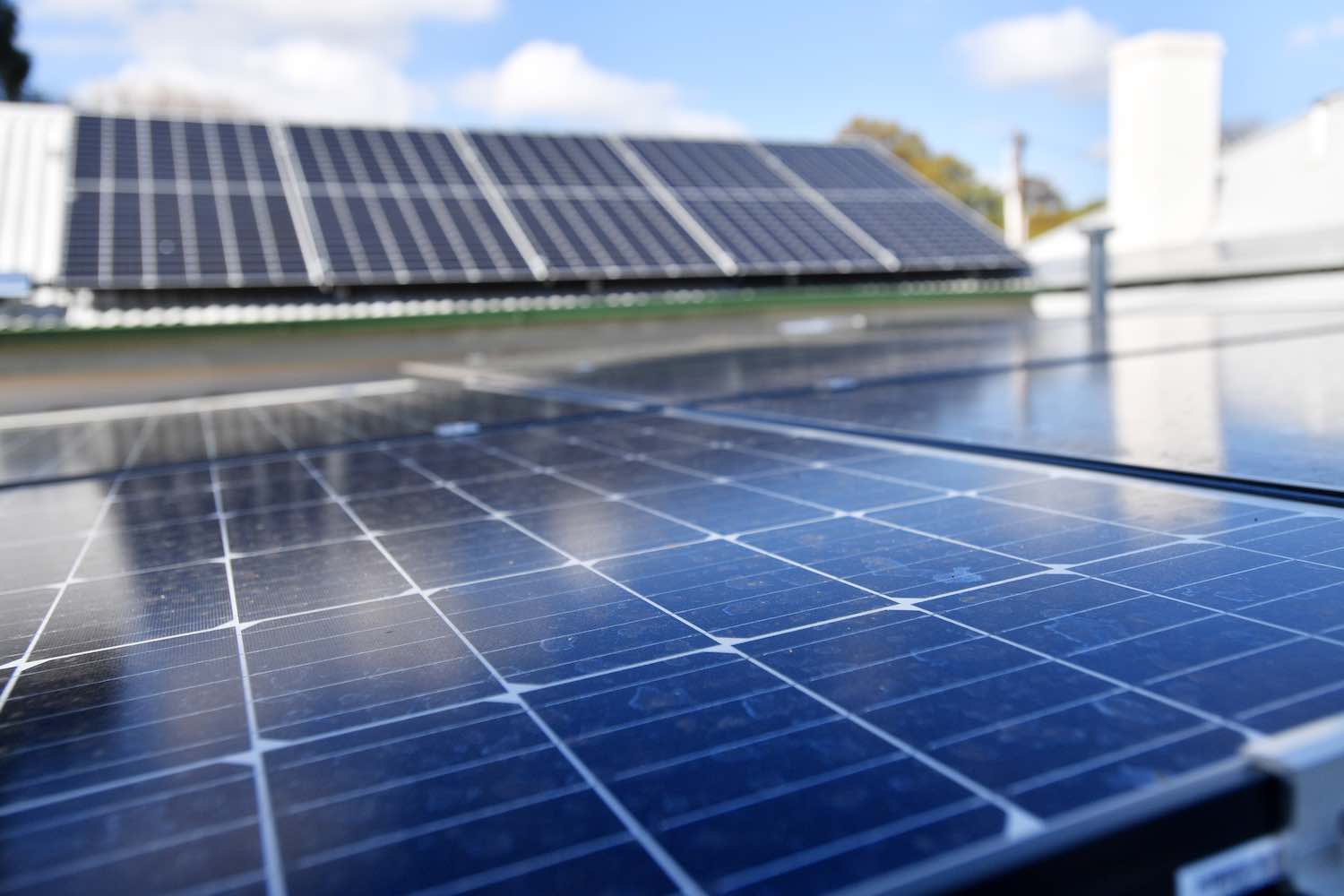
Rooftop PV Reduces Grid Demand During Heatwave
Over the last three days (from January 7 to 9), Australia has experienced remarkable electricity demand on its National Electricity Market, driven by intense heatwaves affecting the entire nation.
When accounting for the electricity supplied by rooftop solar panels, the peak demands during this period rank as the highest, fourth highest, and second highest all-time, respectively.
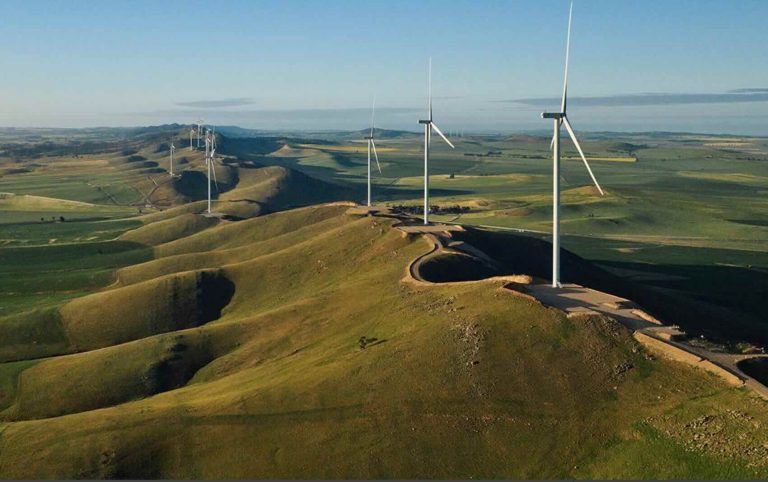
Fortunately, both wind and solar energy production were impressive, which is often the case during periods of extreme demand. This performance highlights that they contribute far more than merely conserving traditional fuels, a claim often debated.
Rooftop Solar’s Positive Impact
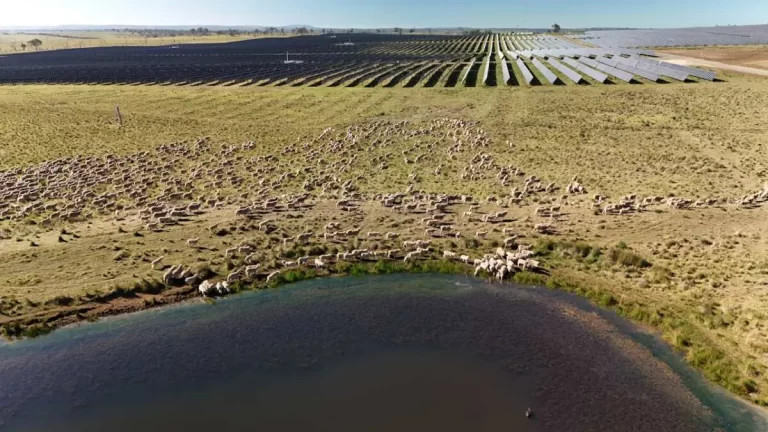
An analysis of the ten highest demand days since January 1, 2023, including contributions from rooftop solar, reveals that these systems have succeeded in reducing peak demand levels by an average of 14%. When factoring in just the grid’s demand, exclusive of rooftop and utility solar power, this average climbs to a reduction of 17%. Moreover, when considering the total demand excluding all forms of solar and wind energy, the reduction rises to an impressive 28%.
State Variations in Electricity Demand
This trend of significant reductions in peak demand through renewable energy sources is evident across all states, with the exception of Tasmania, where peak demand occurs during the winter months. In Tasmania, while solar power has minimal impact on reducing peak demand, wind energy shows a strong capability to do so.
The attached table further illustrates the dates of peak demand within the National Electricity Market, along with figures excluding solar and wind contributions.
It’s noteworthy that when excluding rooftop solar from the calculations, many of the peak demand dates arise in winter. It’s important to mention that this analysis only considers data from after January 1, 2023. Although most peak demand events have indeed surfaced following this date, earlier peaks, particularly those excluding rooftop solar input, have occurred beforehand.
All data referenced in this report has been sourced from the OpenElectricity website.