Rio Tinto Secures $2 Billion for Renewable Energy Transition at Boyne Smelter
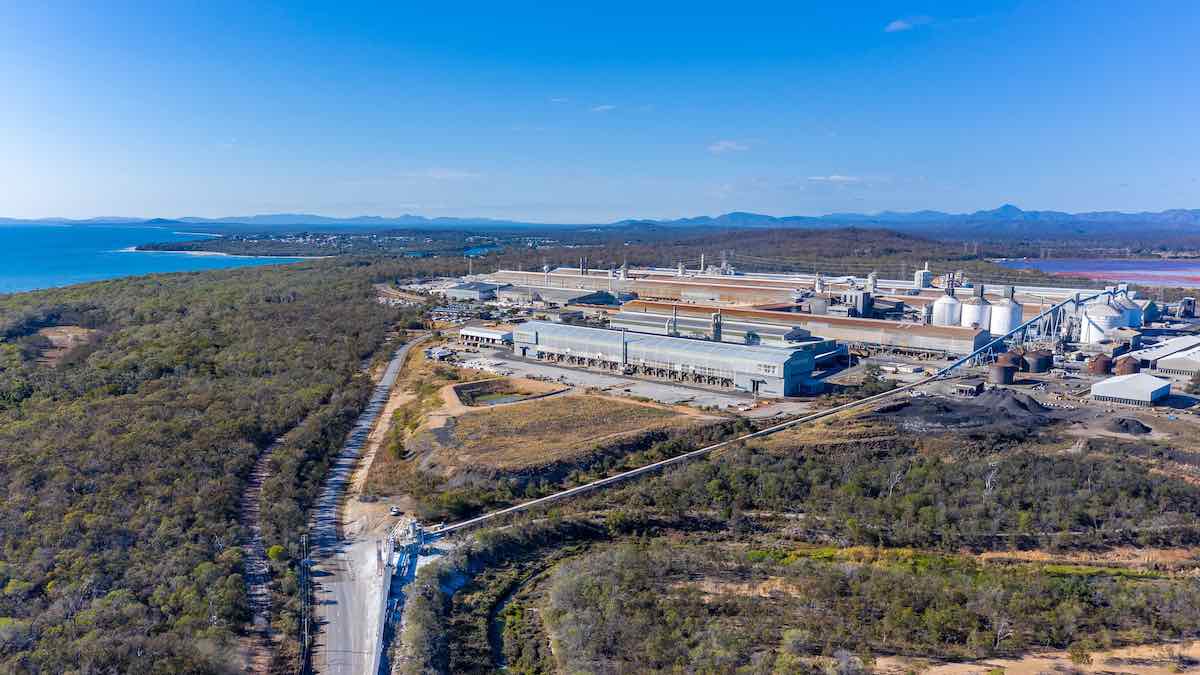
The federal and state governments of Australia have granted a substantial $2 billion boost to the country’s second-largest aluminium smelter, which will ensure its operation until at least 2040. This deal is set to facilitate $7.5 billion in new investments in renewable energy generation and storage.
On Wednesday, the federal Labor government and Queensland’s LNP officials announced their plan to each contribute $1 billion over a decade, from 2030 to 2040, to support Rio Tinto’s Boyne aluminium smelter based in Gladstone.
Commitment to Renewable Energy
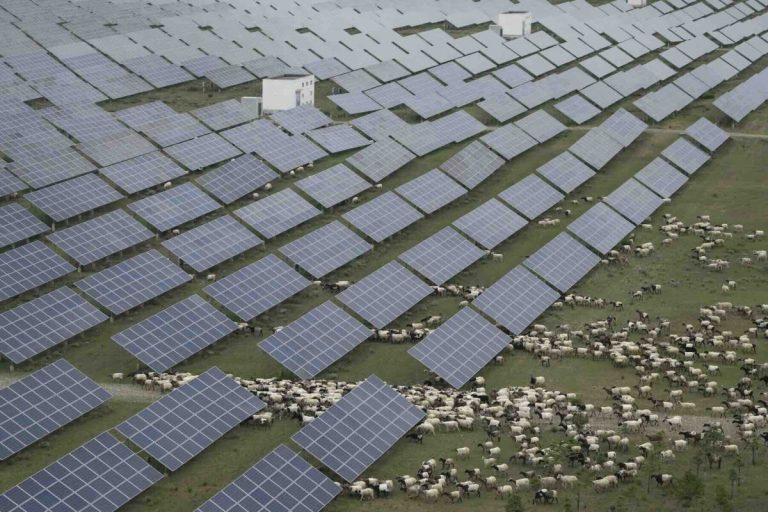
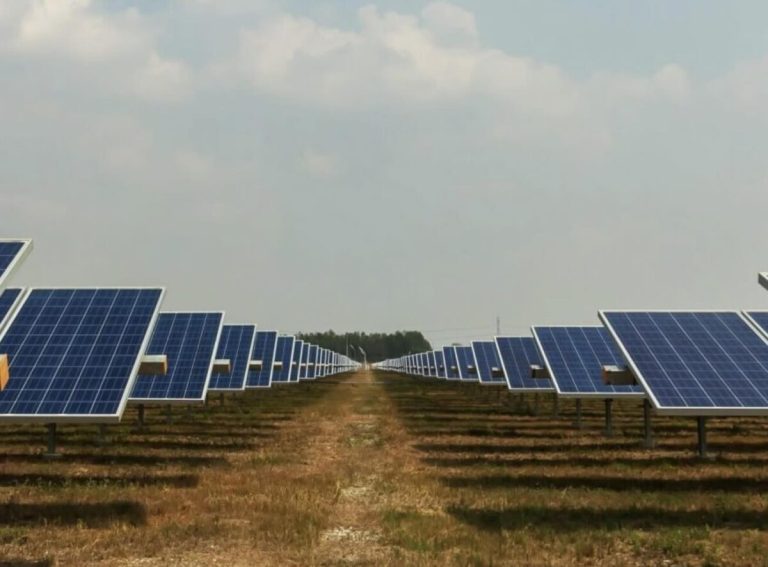
As part of this agreement, Rio Tinto has pledged to back the development of $7.5 billion worth of wind, solar, and battery storage projects, which it will utilise through power purchase agreements (PPAs) to meet the smelter’s energy demands.
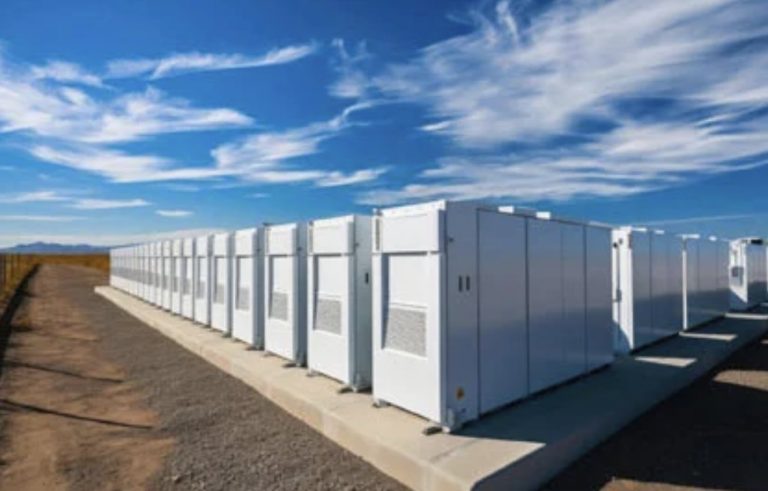
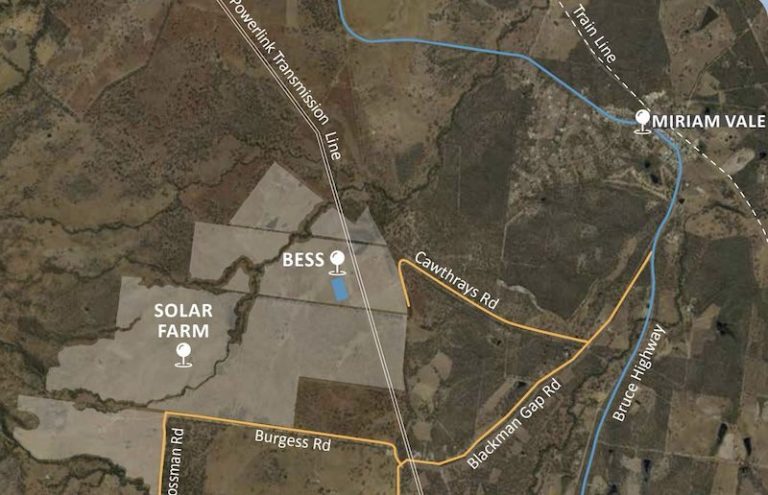
In a separate announcement, Rio Tinto declared that it has committed to purchasing 40 per cent of the output from the Lightsource bp’s Lower Wonga solar and battery project located near Gympie, which translates to 112 megawatts (MW) of solar power and three hours of storage capacity.
Federal Support and Economic Impact
Federal Minister for Industry and Innovation, Tim Ayers, emphasised the significance of this investment for the nation’s energy landscape. “This facility sits at the heart of an industrial ecosystem that supports thousands of jobs and enhances our industrial capabilities,” Ayers explained during a press briefing on Wednesday.
He further highlighted that the economic rationale behind this investment is compelling, saying it boosts productivity, enhances economic resilience, lowers energy costs, and strengthens Australia’s overall standing.
Smelter’s Ongoing Viability
The future of the Gladstone smelter, which employs approximately 1,000 individuals and is one of Queensland’s largest energy consumers, has been precarious for several years. According to Rio Tinto, its operations have been challenged by the need to stay competitive amid a global shift towards decarbonisation.
The existing coal-fired power station, which has been supplying the smelter since 1976 with a capacity of 1,680 MW, is set to close in 2029, coinciding with the expiration of current power contracts for both Rio’s Boyne smelter and the Yarwun alumina refinery.
Debate on Energy Sources
Some federal Coalition MPs, including the National Party’s new leader, Matt Canavan, have consistently argued that coal is essential for keeping smelters like Boyne operational, attributing their struggles to the transition towards renewable energy.
Conversely, Rio Tinto’s management appears to support a different narrative, and the state LNP, despite recent attempts to reduce renewable targets, is now backing initiatives that maintain the state’s largest electricity consumer and employer.
“This announcement supports the many Queensland workers reliant on the smelter and provides industries with the certainty needed to invest in the region,” stated Queensland’s Minister for Natural Resources and Mines, Dale Last.
Advancing Towards Renewable Energy
Despite a recent streamlining of its decarbonisation strategies, Rio Tinto has reiterated its intention to move away from the costly and unreliable nature of ageing coal-fired power sources.
A 2019 report by the University of Queensland indicated that the smelter consumes around 8 terawatt-hours (TWh) of electricity annually, primarily sourced from a long-term PPA with the Gladstone power station, which benefits from state subsidies.
The report also suggested that the estimated subsidy for renewable energy—around $200 million annually—would ultimately be less than what the smelter has enjoyed from fossil fuel discounts. This results in a significantly lower price per megawatt-hour compared to average market prices.
Rio Tinto’s Renewables Vision
Rio Tinto’s aluminium and lithium chief, Jérôme Pécresse, expressed optimism regarding the investment’s potential, stating, “As fossil fuel prices continue to rise, the combination of this investment and the agreements we’ve made positions Boyne as a frontrunner among the world’s aluminium smelters backed by renewable sources.”
This announcement marks a crucial step for aluminium manufacturing in Gladstone, preserving an integrated value chain from bauxite mining to alumina refining and smelting within Queensland, thereby preparing it for an increasing demand as the world transitions to greener energy.
Recently, Rio Tinto entered a significant solar and battery storage agreement with Edify Energy, covering a 600 MW solar setup and a battery with a capacity of 2,400 megawatt-hours (MWh). The company has also secured PPAs with the prospective Bungaban wind farm and the Upper Calliope solar project.
With the latest deal with Lightsource bp, Rio Tinto now has commitments for over 2.8 GW of renewable power in Queensland, alongside 600 MW of storage capacity.
Rio Tinto’s managing director for Pacific operations, Armando Torres, remarked that achieving this deal was the result of extensive efforts from all stakeholders. “Finding an energy solution that transitions us to renewables is no simple task, but today’s announcement signifies a transformative solution for the smelter,” he commented.
“We are committed to several projects under this complex agreement, leading to long-term contracts ranging from 20 to 25 years, showcasing a strong alignment between Rio Tinto, the Queensland government, and the Commonwealth for the future.”