Rethinking Rooftop Solar Policy for Decarbonization
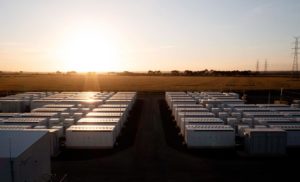
Since the introduction of the federal rebate in early July, there has been a remarkable increase in small battery installations, prompting a reassessment of our strategies for decarbonising the electricity system. The rate of battery registrations over the past two months has surged to five and a half times higher than the previous year.
This significant uptick indicates that we have greatly underestimated the potential for future growth, with current installation rates three times higher than what the Australian Energy Market Operator (AEMO) had anticipated for a decade from now.
Contrasting Developments in Energy Infrastructure
The rapid expansion of battery installations starkly contrasts with the sluggish progress in transmission infrastructure. Proposed transmission projects are experiencing budget and timeline increases, sometimes doubling or tripling, which significantly hampers the deployment of new large-scale wind and solar farms.
The Decline of Rooftop Solar Support
While it is essential to accelerate the rollout of large projects and their associated transmission, the slow pace of transmission development highlights the need for policymakers to focus more on fostering quicker solutions. In our forecasts for the small-scale solar and battery market, we consciously included the expectation that governments would implement additional policies to promote the adoption of rooftop solar and batteries.
Failing to account for such policies would distort the planning of the power system, as AEMO’s separate model for large, transmission-connected power stations includes an emissions budget constraint. We believe that if governments aim to limit electricity emissions, they can do so not only through large power stations but also by promoting smaller-scale technologies.
Government Incentives and Their Impact
In our previous projections for solar and battery uptake, we assumed that the government would introduce financial incentives to encourage battery adoption, which aligns with the recent federal initiative. Additionally, the Small Scale Renewable Energy Scheme (SRES) offers a significant discount on the upfront costs of solar systems, boosting consumer uptake.
However, since 2017, the SRES discount for solar systems has been gradually reduced, and by 2031, small solar systems will receive no policy support. Despite the solar industry’s ability to reduce costs up until 2021, it has struggled to keep pace with the diminishing support from the SRES.
Need for New Policies to Support Solar
In our modelling for the Step Change and Green Energy Exports scenarios, we anticipated that as the SRES phased out, new policies would emerge to reward the carbon abatement achieved by small solar systems. The Australian Energy Regulator has recognised the economic value of carbon abatement, estimating it at $75 per tonne of CO2 for 2025, rising to $157 per tonne by 2035.
Unfortunately, such policies have yet to be implemented for smaller systems, although larger rooftop solar systems may have a pathway to earn Australian Carbon Credit Units, albeit with cumbersome administrative requirements.
Encouraging Rooftop Solar Installations
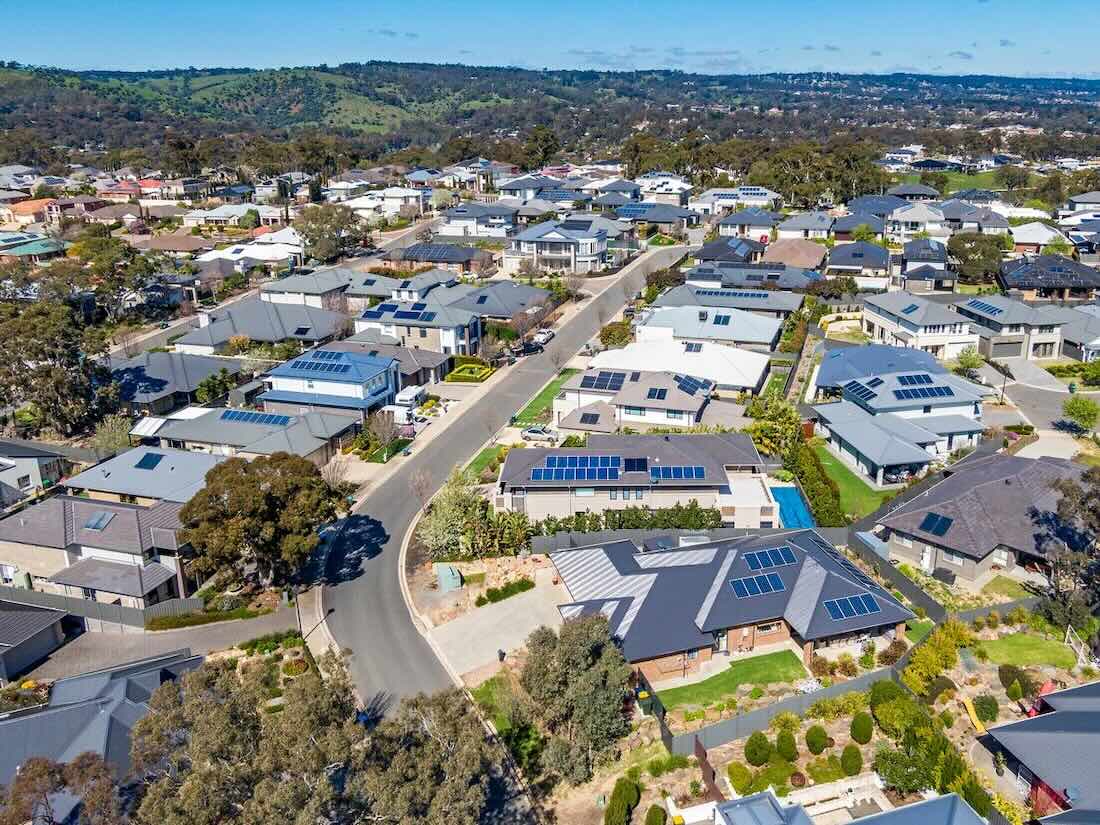
Given the significant costs and delays associated with new transmission infrastructure, there is an urgent need for governments to focus on policies that could boost rooftop solar installations alongside batteries. The recent expansion of the SRES to include rebates for small-scale batteries was a positive step, but this too will be phased out over the next five years as the SRES expires.
We have recently updated our modelling projections for solar and batteries to reflect the underestimated demand for batteries and the size of systems being installed. In this modelling, we explored three strategies to encourage further solar system uptake:
- Replacing household gas appliances and petrol vehicles with electric alternatives, which would increase electricity consumption and enhance the financial appeal of solar systems;
- Extending the SRES until at least 2035 and maintaining the solar incentive at the level it will reach in 2026;
- Implementing a requirement for rental properties to meet minimum energy efficiency standards, with solar and batteries as viable options for compliance.
Projected Impact of Policy Changes
Our projections indicate that by 2035-36, these measures could lead to an additional 28,000 GWh of rooftop solar generation, increasing the share of renewable energy in the National Electricity Market (NEM) and Western Australia’s South West Interconnected System (SWIS) by approximately 9 per cent. While this won’t fully replace the need for large-scale wind and solar farms, it could serve as a crucial complement.
It is important to note that our estimates for solar adoption under a rental efficiency upgrade requirement are conservative, and there are additional emissions savings from transitioning away from gas appliances and petrol vehicles to lower carbon intensity electric options.
For those concerned about the potential challenges posed by increased solar generation on power system management and the curtailment of other renewable generators, the widespread adoption of household batteries will largely mitigate these issues. The larger batteries being installed in homes will effectively transform rooftop solar generation into a more stable energy source, akin to that of a baseload coal generator, with the added benefit of a gas peaker.