Renewables Provide Two-Thirds of Germany’s Grid Power in Q3 2025
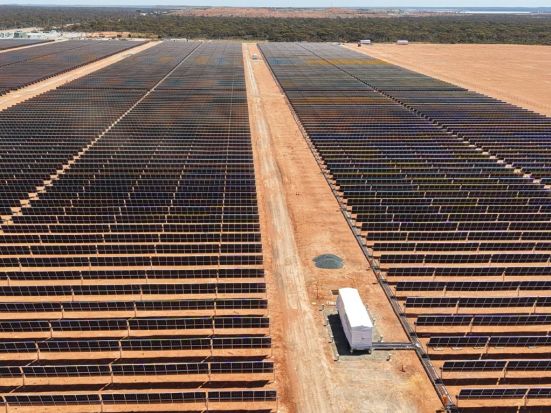
According to preliminary data from Germany’s statistical office, Destatis, nearly two-thirds of the electricity supplied to the country’s public grid during the third quarter of 2025 came from renewable sources. Specifically, renewable power accounted for 64.1 percent of the electricity mix, contributing a total of 98.3 billion kilowatt-hours (kWh), up slightly from 63.5 percent during the same quarter in the previous year.
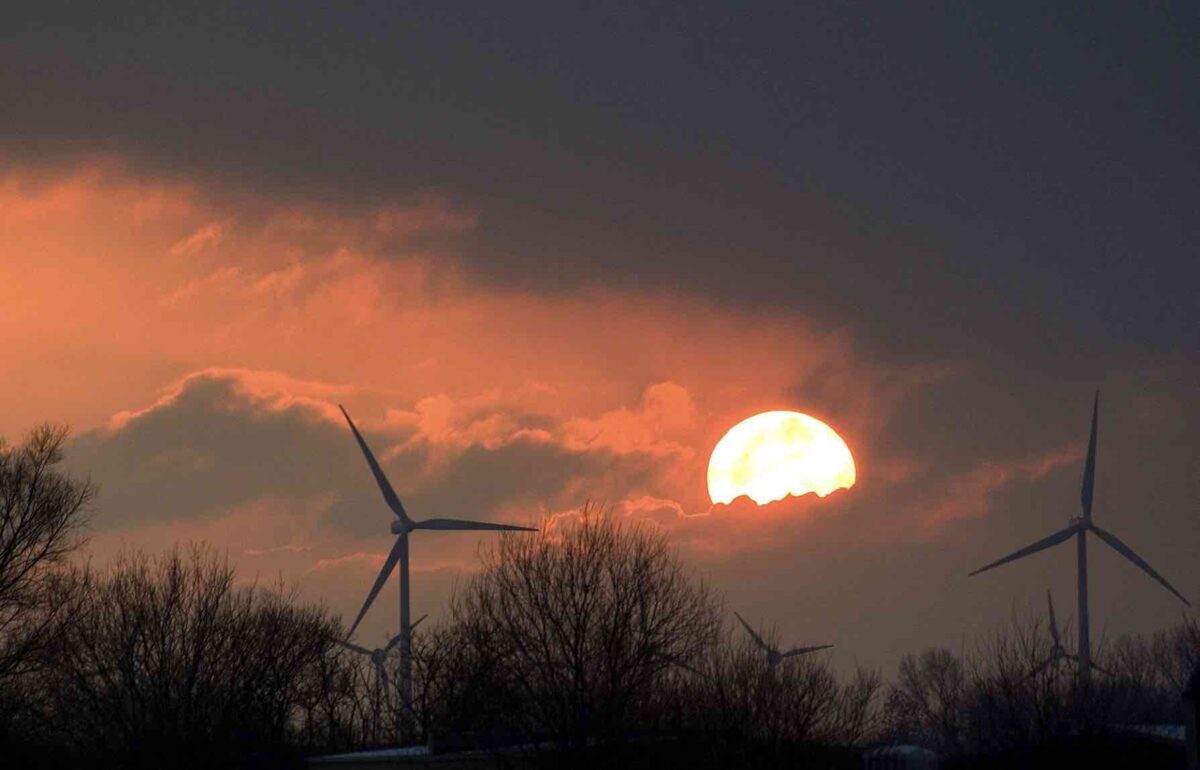
Renewable energy production saw a three percent increase compared to the third quarter of 2024, while overall electricity generation rose by two percent. This surge in renewable sources established new record levels for the quarter. Wind energy output increased by over ten percent year-on-year, now comprising more than a quarter (26.8%) of the power mix, whereas solar photovoltaic (PV) generation also climbed by 3.2 percent, reaching a 24.1 percent share.
Shifts in Energy Production
The generation of electricity using natural gas rose by more than eight percent, in contrast to a decline of 2.2 percent in coal-based production. Now, coal constitutes 20.6 percent of the domestic electricity mix, while natural gas represents 12 percent.
Germany’s electricity imports fell to 20.7 billion kWh during the third quarter, reflecting a nearly 12 percent drop from the same period last year. Conversely, power exports experienced a nearly six percent increase, totalling 12.5 billion kWh. As a result, the import surplus diminished by over 30 percent compared to 2024.
The Future of Germany’s Energy Market
Wind and solar energy are poised to form the backbone of Germany’s electricity system moving forward. Together with other renewable sources, they currently account for more than half of the nation’s annual electricity generation. This expansion is crucial as Germany works towards its 2030 target of reducing emissions by 65 percent from 1990 levels.
The country’s ambition is to derive 80 percent of its total electricity consumption from renewable sources by 2030. However, it’s important to note that Destatis’s data does not capture the entirety of electricity production. This includes electricity generated in industrial power stations for direct consumption by industrial enterprises—often reliant on fossil fuels—as well as electricity produced by household photovoltaic systems that is consumed within those homes.
In 2024, renewables provided 55 percent of total electricity consumption, with preliminary figures for 2025 expected to be released later this week.
Source: Clean Energy Wire. Reproduced with permission.