Renewable Energy Insurance Solutions for Neighbors Proposed by AEIC
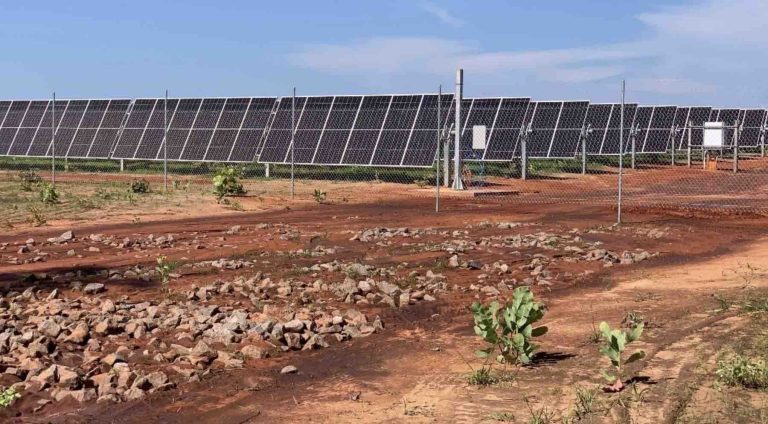
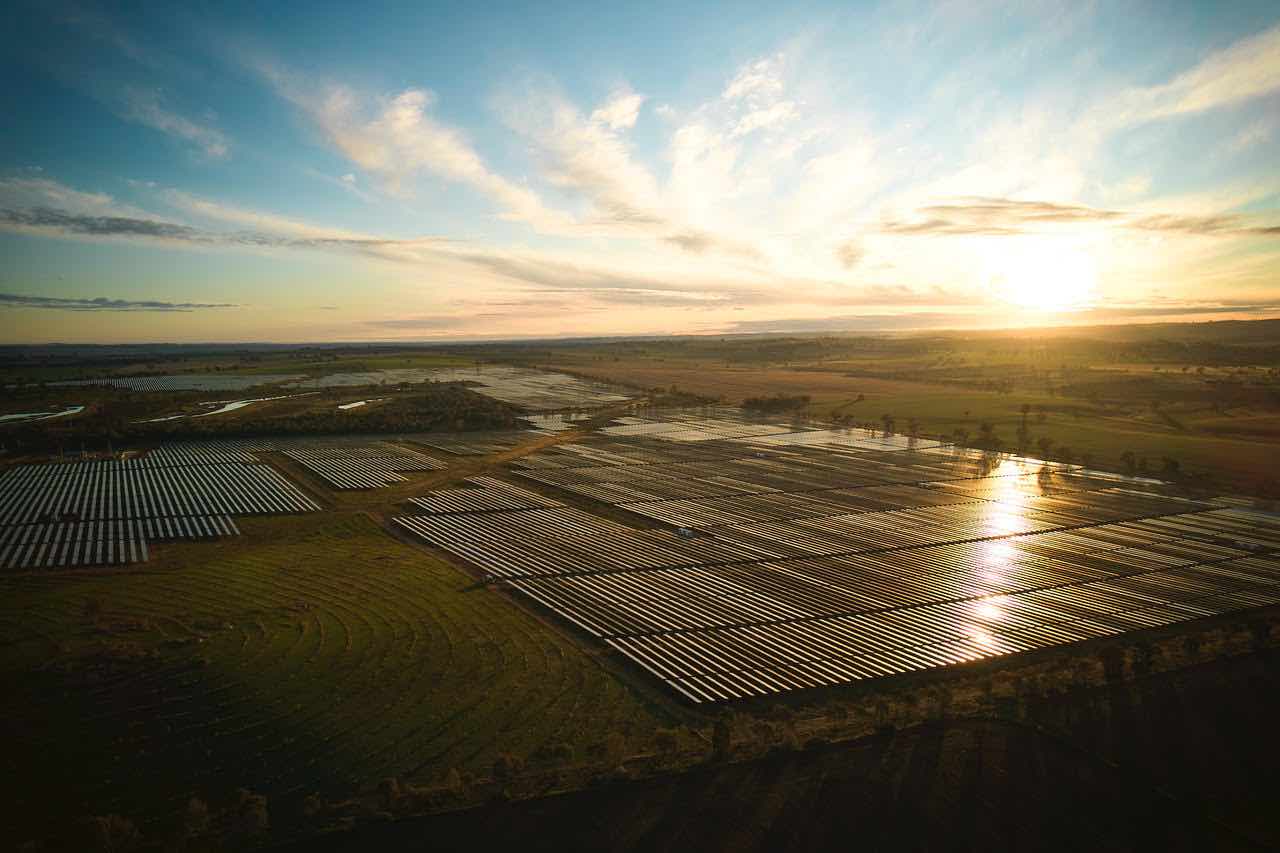
Residents living near renewable energy facilities often raise the same question regarding insurance, an issue the Australian Energy Infrastructure Commissioner (AEIC) aims to clarify. The concern arises when a fire or similar incident on an adjacent property potentially damages installations such as wind turbines, solar panels, or battery storage. Property owners worry that their current public liability insurance will not fully cover the resulting damages and that increasing their coverage could become prohibitively costly.
“Landholders in proximity to renewable infrastructure should not bear heightened insurance liabilities or expenses,” stated Tony Mahar, the AEIC commissioner. He believes that local communities deserve “fair and reasonable protection from liability stemming from accidental damage to infrastructure.”
Proposed Collaborative Protections
The AEIC is suggesting a framework that would allow energy developers and operators to offer contractual protections to adjacent landowners against losses or liabilities tied to energy projects. Mahar expressed that this cooperative initiative seeks to foster a social licence, cultivate genuine partnerships with rural and regional communities, and enhance the confidence of landholders.
This initiative is a continuation of earlier efforts made last year when the AEIC recommended that neighbour agreements should encompass compensation for any increased public liability insurance costs and clarify who is accountable for accidental damage to energy infrastructures.
Strengthening Community Relations
Repairing relationships with community members is a key focus for the leadership of the Clean Energy Council (CEC), which now includes significant developers within its board. Hence, the CEC is emphatically supporting this national strategy to enhance neighbourly relations.
“Clean energy projects thrive when the local residents feel respected and safeguarded, and this initiative is a tangible reflection of that commitment,” remarked William Churchill from the CEC.
Addressing the Insurance Dilemma
To date, developers have not effectively answered the pressing insurance queries from local residents, often choosing to reassure communities about available insurance instead of addressing how neighbours might be responsible for increased individual coverage costs. A common assurance circulated by developers references a statement from the Insurance Council of Australia, stating that there are no significant concerns regarding insuring properties neighbouring clean energy infrastructure, and any premium hikes are unlikely due to the presence of such projects.
“Wind farms maintain their own public liability insurance that ensures coverage for any damage caused to neighbouring properties,” the statement continues.
Current State and Future Considerations
According to the AEIC, there have been no cases where renewable energy operators have attempted to claim liabilities from neighbours under public liability insurance claims. However, there has been at least one notable incident in 2017, when neighbours successfully sued Infigen after a bushfire ignited by a crow landing on power lines related to the Woodlawn wind farm. This case was settled by Infigen, now a part of Iberdrola, in 2018.
While perceptions of risk exist, the AEIC asserts that these concerns need addressing before they escalate into actual problems. “The introduction of energy installations on neighbouring properties has increased the potential consequences of these risks,” the AEIC noted. If these fears are allowed to linger unchecked, they could further undermine trust, social licence, and the confidence of landholders.
Insurance Coverage Framework Suggestions
Standard farm liability policies typically cover various common issues, such as adverse weather or equipment damage but do not cater to significant public liability risks. The AEIC is now advocating for a nationwide strategy to define who qualifies as a neighbour for insurance purposes. It proposes that anyone receiving neighbour payments, having contractual agreements with project owners, or living within 3.5 kilometres of a renewable project should be considered for coverage under the project’s insurance. This would include anyone at risk due to nearby terrain, winds, or vegetation.
The AEIC also recommends that developers and project owners should assume responsibility for their neighbours “harmless”, unless damage occurs due to negligent or intentional acts. This could lead to shared responsibilities, where a developer might fund safety measures like installing fire extinguishers, with landholders supporting such initiatives.
The AEIC suggests starting this approach as a set of voluntary guidelines, eventually encouraging governments to incorporate these recommendations into future regulations and policies.