Renewable Energy Hits Record Output During Pre-Christmas Heatwave
On a particularly warm Wednesday, Australia’s National Electricity Market (NEM) faced significant operational pressures, especially in New South Wales where LOR3 and RERT market notices were issued.
This surge in near-record demand opened a valuable insight into the renewable energy capacity available during peak loads, which is often curtailed during cooler days with lower energy needs.
New Records Set Across the Board
Various records were shattered throughout the day. The NEM recorded a new peak for renewable and storage output, reaching 28,509 MW at 12:35 PM (AEST), representing a 9.33 per cent increase from the previous record established in late November.
Variable renewable energy (VRE), which includes wind and solar power, also reached a new high of 27,606 MW at 12:10 PM (AEST) — an 8.75 per cent increase from its last peak and 13.5 per cent higher than a year prior.
Battery consumption across the NEM soared to a new high of 2,604 MW at 10:05 AM, marking an increase of 8.73 per cent compared to the late November record and more than triple the figures from the previous year.
The share of battery consumption in the total NEM also reached a record of 7.4 per cent at that same time.
Victorian Achievements and Project Influences
Victoria also celebrated new highs in renewable energy and storage, with contributions peaking at 7,487 MW at 12:35 PM, up 6.2 per cent from earlier records. Battery consumption in Victoria hit 1,211 MW at the same time, reflecting significant growth.
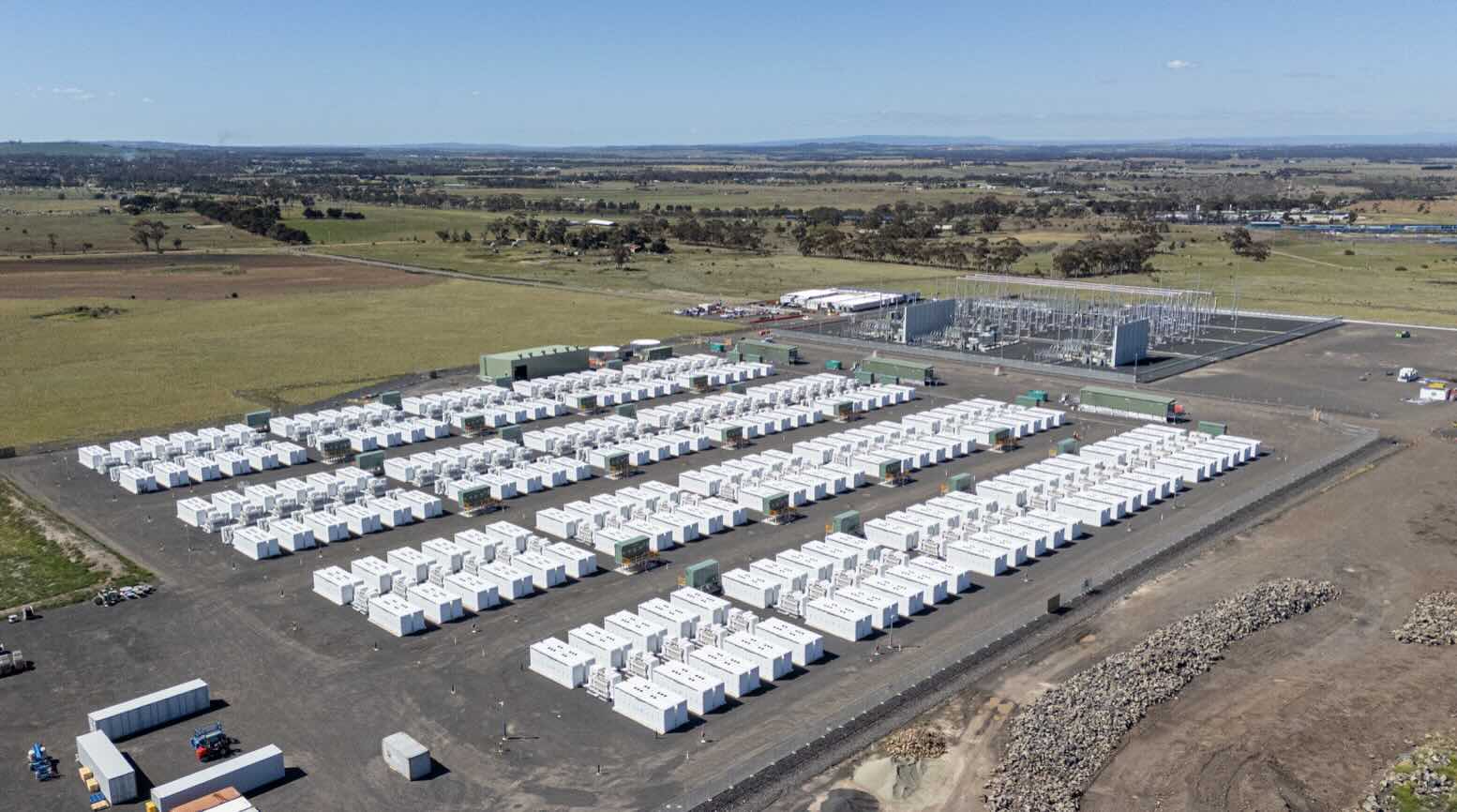
These achievements are believed to be bolstered by the completion of the initial phase of Australia’s largest wind project at Golden Plains, along with the recent opening of Victoria’s largest battery at the Melbourne Renewable Energy Park.
One surprising highlight was the performance of hydro energy in NSW, which reached a peak output of 2,785 MW, surpassing a record that had stood since 2012.
Key Insights from the Day’s Performance
- High demand showcased renewable potential: The elevated energy load allowed a larger proportion of renewable resources to be utilised compared to milder days, providing a clearer perspective on the system’s renewable capacity.
- Reduced curtailment: Although some curtailment occurred, it was less than typically observed as demonstrated by the more moderate “Dolphin Curve” on the NEM energy metrics.
- Growing significance of batteries: Strong consumption in the morning absorbed solar energy leading up to the afternoon peak, while discharges later facilitated the evening transition.
- Operational stress and capacity coexistence: The near-record demand of 38,778 MW was recorded at 14:45, alongside reliability notices in NSW and record contributions from renewables and storage on the same day.
This situation exemplifies the complexities faced by the modern NEM during summer’s peak demands, where extreme load coincides with unprecedented renewable outputs, highlighting both the depth of available clean energy and the challenges related to real-time absorption.
The developments illustrate the intricate balance required to ensure system security amid heat-induced stresses and the plentiful availability of renewable resources.