Regulators Must Adapt to Home Battery and Solar System Growth, Says Kean
Australia’s energy regulators and market operators are being called upon to remain flexible as households prepare to benefit from the unexpected rise in battery storage, an increase in rooftop solar system sizes, and the broader electrification movement.
Matt Kean, chair of the Climate Change Authority, expressed support for a regulatory overhaul on Thursday, highlighting the surge in home battery installations and the need for consumer energy resources to lead the transition to sustainable energy.
Embracing the Electro Revolution
Kean remarked, “The electro revolution will unlock exciting new possibilities for both consumers and companies. Regulators must be agile if we are to fully harness innovation and ensure that households receive a fair share of the advantages.” He noted the remarkable uptake of home batteries, which demonstrates the strong community demand for innovative energy solutions.
Speaking at the EN26 conference, hosted by the Energy Networks Association, Kean reiterated the call for regulatory changes that facilitate more supportive measures for consumers, advocating for the provision of incentives rather than penalties.
Surge in Home Battery Installations
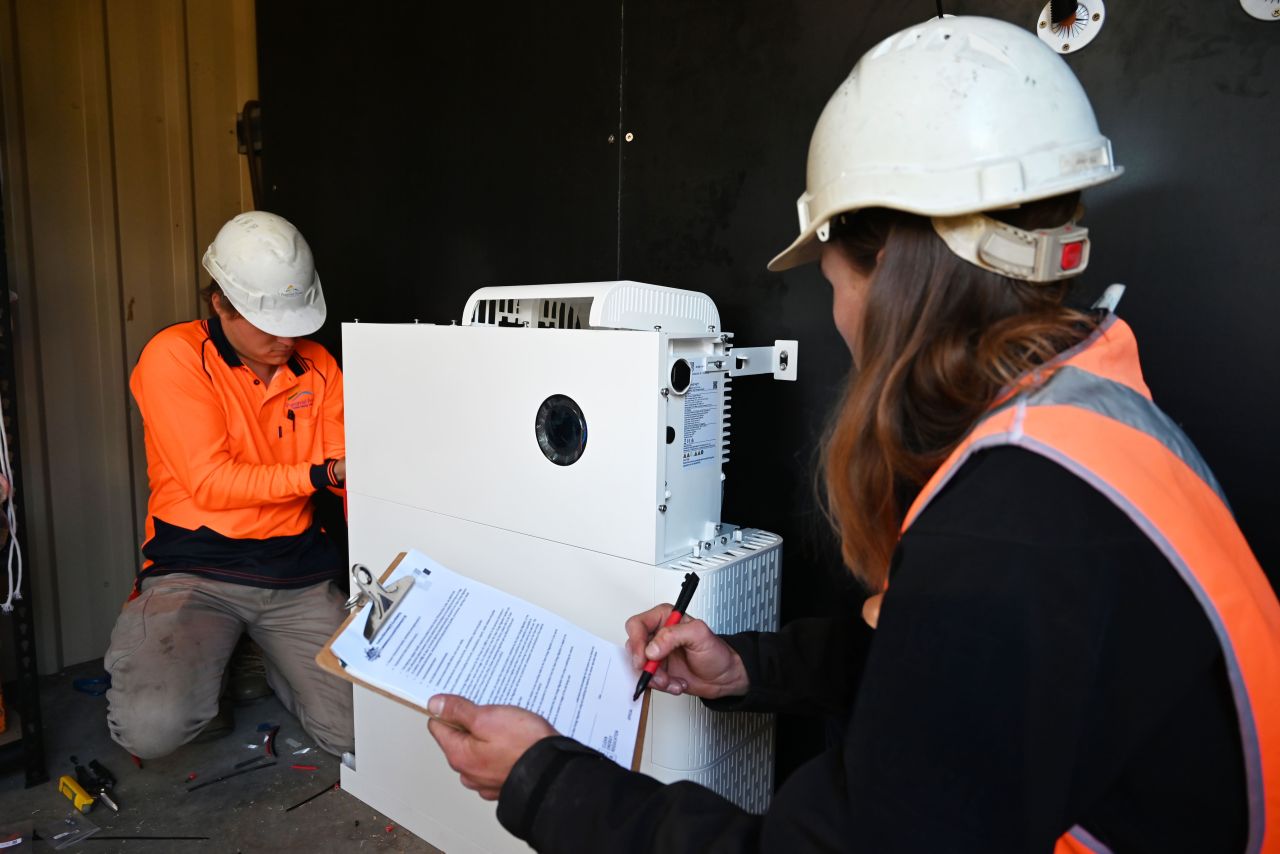
Since the launch of home batteries last July, nearly 280,000 units have been installed, alongside significant upgrades to rooftop solar systems. The average installation for the 4.2 million households equipped with rooftop solar has increased to 10 kilowatts.
He anticipates that the rapid development within this sector will necessitate adjustments when the Australian Energy Market Operator finalises its integrated system plan for 2026 later this year. “The draft ISP released last October projected household storage capacity to reach 10 gigawatt hours by 2029-2030, but we’ve already surpassed that milestone, and we haven’t even reached the end of the first quarter of 2026,” Kean stated.
Addressing Shifts in Demand
Kean stressed that regulators need to consider the rise of electric vehicles and the electrification trends which will alter peak demand from summer to winter. Home energy storage and advanced load-shifting technologies are crucial in balancing supply and demand, thereby alleviating the pressures on the grid.
“With the right regulatory frameworks and incentives for consumers and energy companies alike, these adjustments are completely manageable,” he added. “The collective strength of the populace is no longer merely a slogan from the past; it’s becoming a tangible reality.”
He explained further that as technological advancements continue to unfold, the number of individuals embracing these opportunities will only grow, particularly given the potential of affordable energy from renewable sources. Kean believes that adaptable energy networks will thrive under these transformations, promoting a mutually beneficial scenario that supports grid decarbonisation, increases energy reliability, and reduces costs.
Global Challenges in Energy Transition
The necessity for nimble regulators isn’t exclusive to Australia. Gracie Brown from McKinsey highlighted that “the transition is advancing at roughly half the speed required.” While electrification and renewable energy initiatives are progressing, obstacles remain. The lagging challenges have increasingly become bottlenecked within the grid infrastructure.
Brown noted that prices for transformers and cables have surged by about 33%, and lead times for these components have extended to two or three years, with approximately 1,600 gigawatts of solar and wind energy currently awaiting connection globally.
This scenario creates a capital allocation dilemma for network operators as they decide how much and where to invest amid uncertainty.
The Long-Term Perspective of Network Operators
Brown explained that network planners and operators often take a long-term view, investing in assets that will last 20, 30, or even 40 years, whereas policymakers typically focus on immediate legislative cycles, and customers are concerned with their next energy bill. “It’s essential for us to maintain a long-term perspective on integrated complex planning, fostering confidence in our vision among stakeholders for a successful, reliable, and affordable transition,” she concluded.