Queensland Solar-Battery Project Canceled Amid Community Opposition and Planning Changes
A concerted effort from the local community appears to have successfully derailed a substantial solar battery hybrid project intended for the vicinity of Gladstone, a significant port city in central Queensland.
This week, the developer, Private Energy Partners (PEP), opted to withdraw the Miriam Vale project from the federal environmental assessment process. This decision follows the firm’s earlier retreat from the state planning process in June of the previous year.
Changes to Project Scope and Planning Compliance
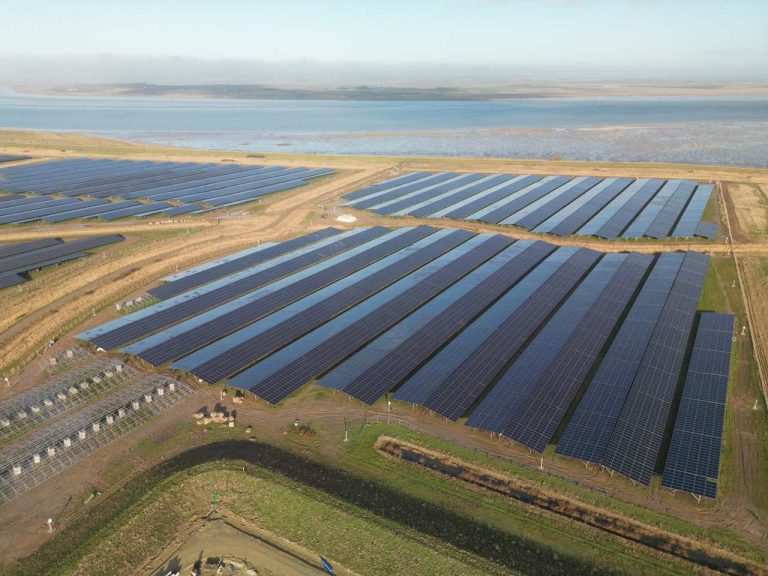
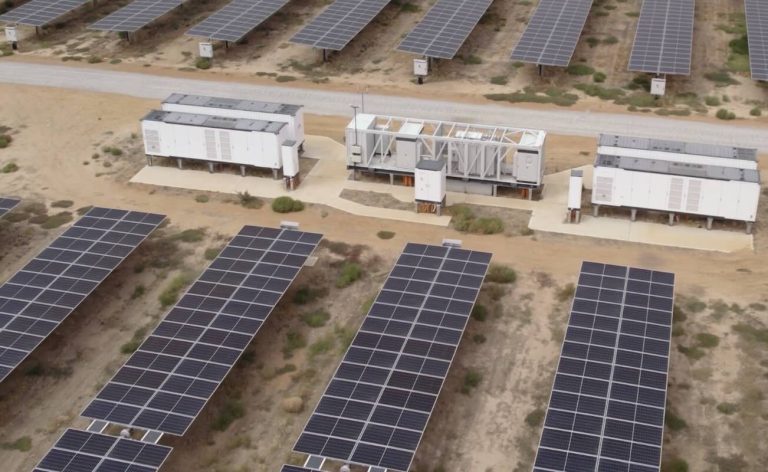
Initially planned as a massive 484 megawatt solar installation with four hours of energy storage, PEP announced significant revisions to the project last year, necessitating a fresh development application. They indicated that the extent of these alterations might also lead to a requirement for a new federal submission. The company explained that “due to several factors, including the significant changes made to the layout and the imminent upcoming change to the planning assessment regime in Queensland for solar farms, the current application would need to revert to the beginning of the application process.”
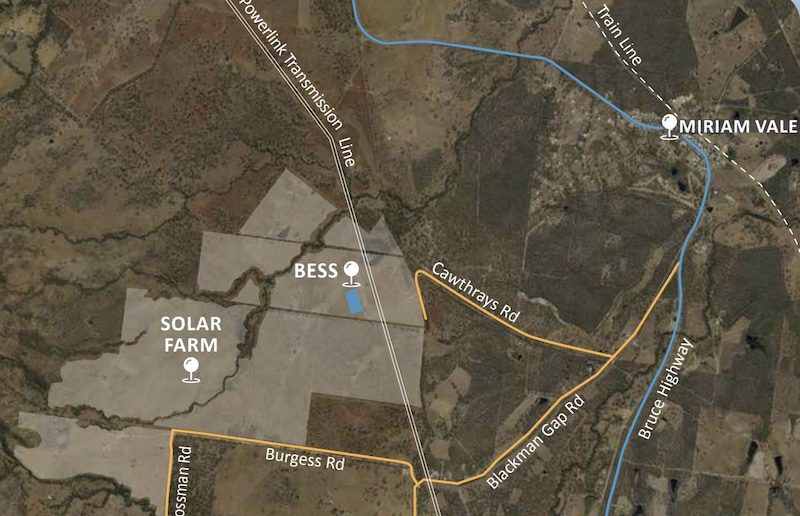
By June of last year, heavy community input had already seen the solar project’s capacity dramatically reduced to 150 MW, although it still retained a 500 MW, four-hour battery. The revised plans included the removal of arrays from the site’s west, south-west, and north areas, the incorporation of larger setbacks to preserve the rural landscape, as well as new measures concerning waterways and bushfire management.
Future Plans and Local Sentiment
According to PEP, updates on the planning and design are being finalised, and they are assessing the possibility of resubmission through the appropriate approval authority. However, there has been no response from the developer regarding the current status of these plans, particularly in light of the recent news concerning the EPBC.
The company had aimed to commence construction later in the year, with hopes of having the solar-battery facility operational by 2028.
Legislative Changes Impacting Solar Development
In 2025, the Crisafulli government implemented new regulations requiring wind, solar, and battery projects to secure binding agreements with local authorities regarding the social impacts and community benefits of planned developments prior to making development applications. This move received a mixed response; while environmental organisations applauded the initiative for potentially improving community engagement, they expressed concerns about its intent.
Dave Copeman, director of the Queensland Conservation Council (QCC), cautioned that this process could be misused by the government to impede renewable projects for ideological reasons rather than evidential justification.
Ongoing Community Opposition
The Miriam Vale project faced pronounced resistance, particularly within the electorate of federal MP Colin Boyce, who is known for his opposition to renewable energy initiatives. Following the withdrawal of the development application, a petition signed by 1,472 individuals was submitted to the state government, calling for both a rejection of the project and the necessity of an independent risk assessment to ensure safety for local residents.
The petitioners argued that the planning application submitted in 2024 inadequately addressed environmental considerations and did not establish a safe distance from the Miriam Vale township, among other concerns. Planning Minister Jarrod Bleijie acknowledged that the solar project had been removed from the planning system at that point but noted that any battery component would still be required to adhere to the new legislative standards.
In a letter addressed to the petitioners, Bleijie affirmed the government’s commitment to ensuring that large-scale battery storage projects empower local communities through thorough planning assessments that take public sentiment into account.
Looking Ahead
While opponents of the Miriam Vale solar-battery project may celebrate their recent victory, other developments in the area remain on the table. Spanish firm Global Power Generation is eyeing a nearby site for a 400 MW solar project alongside an equally sized battery. Additionally, Sunshine Hydro is planning to establish a 100 MW, 12-hour battery to the south, along with a minor solar project and a green fuels centre. They have also initiated the EPBC process for the Djandori Gung-i pumped hydro project, which proposes a 1.4 GW capacity with up to eight hours of storage.