Queensland Introduces Rooftop Solar Rebate for Renters
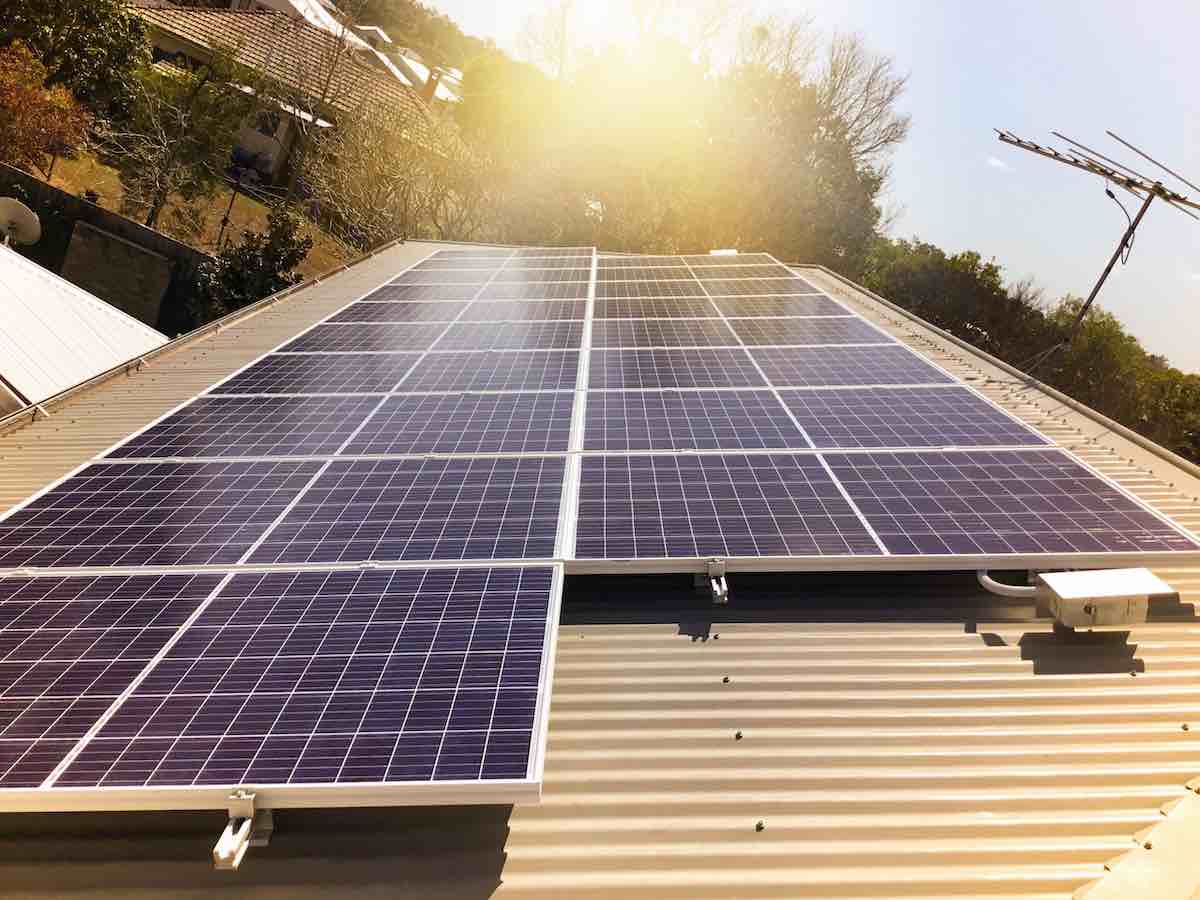
The Queensland government’s Liberal-National Party has introduced a new initiative called the Supercharger Solar for Renters scheme, which offers rebates of up to $3,500 for landlords who install rooftop solar systems on their rental properties.
With a budget of $26.3 million, this scheme was launched just two days after the LNP abandoned the state’s renewable energy targets and committed significant funds to support coal power. Despite this, the policy is surprisingly progressive for a government seemingly intent on reversing energy progress.
Rebate Benefits for Households
According to the state Treasury, the rebate is expected to provide savings of approximately $700 annually for 6,500 households that typically miss out on the advantages of rooftop solar installations.
The programme is tailored to ensure that only eligible Queensland rental properties with active tenancy agreements can benefit, providing immediate relief to tenants.
State energy minister and treasurer, David Janetzki, highlighted the popularity of rooftop solar across Queensland, noting that around 40 per cent of homes in the state have adopted it. “This programme ensures that this strong uptake continues while enabling renters to share in the benefits,” he stated.
Eligibility and Application Process
Landlords keen to make the most of the Supercharged Solar for Renters initiative must reside in Australia and obtain consent from their tenants or relevant body corporate. Only one rebate can be claimed per rental property, but landlords can receive rebates for up to three properties, provided each is located in Queensland, individually metered, and rented out for $1,000 or less per week.
Detailed eligibility criteria and application procedures are available for interested parties.
Historical Context and Future Commitments
The Crisafulli government had pledged to reinstate the Supercharged Solar for Renters scheme during its election campaign last year, building on a previous initiative trialled by the former Labor government in 2019. That earlier scheme, a $2 billion Affordable Energy Plan, provided rebates to up to 1,000 households in Bundaberg, Townsville, and Gladstone to promote the installation of solar systems on rental properties.
That prior trial received $4 million in funding, but was limited to properties with rental prices of $350 or less per week, requiring landlords and tenants to agree on any resultant rent increase. While many landlords took advantage of this opportunity, the initiative ultimately lapsed.
Janetzki reaffirmed the government’s commitment by stating, “We promised to restore this vital program, and that’s exactly what we’ve done.” He emphasised that it benefits renters by reducing their costs, increases property values for landlords, and aids in the advancement of renewable energy in Queensland.
He also pointed out that the Crisafulli government is dedicated to a diversified energy strategy, with solar energy set to play a crucial role in establishing long-term stability in the energy network and satisfying future demand.
Contradictory Energy Policy
However, the broader picture of the Crisafulli government’s Energy Roadmap Amendment Act 2025 reveals a less inspiring commitment to a varied energy mix, allocating $1.6 billion to sustain coal power, while only directing $400 million for renewable energies, storage, and gas development.
As reported by Renew Economy, advocating for more rooftop solar while simultaneously maintaining unreliable baseload coal presents a contradictory approach to transitioning energy sectors, potentially complicating the future of both coal and rooftop solar projects.
For those interested in staying updated with the latest trends in clean energy, subscribing to the free daily newsletter will connect you with over 28,000 others receiving updates straight to their inbox.