Almond farm goes solar and battery to cut costs and emissions
Almond farm in NSW installs solar panels and battery system to reduce reliance on grid electricity, achieve renewable energy penetration, and support sustainability in almond production.

Almond farm in NSW installs solar panels and battery system to reduce reliance on grid electricity, achieve renewable energy penetration, and support sustainability in almond production.

Canadian Solar introduces new N-type module with 24.4% efficiency, reducing costs and improving performance for utility and C&I systems.

Australia’s electricity grids see record wind, solar, and battery generation, impacting prices and emissions. Rooftop solar dominates, coal and hydro prices remain high.

Rooftop solar installations dip by 10% in April, impacted by holidays and election. Anticipation of Labor government’s $2.3 billion battery rebate expected to drive new market boom.

Nicolette Boele, a community independent, discusses clean energy solutions for Australia’s cost-of-living and housing crises in the upcoming federal election.
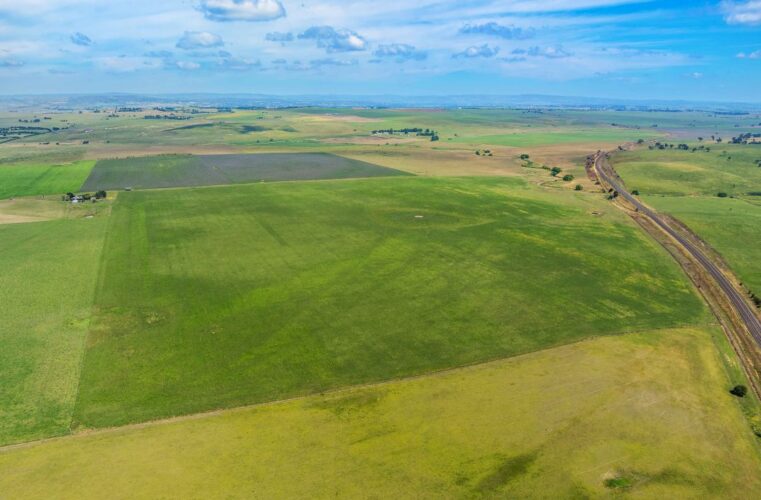
Edify Energy proposes a 90MW solar farm with a 90MW/180MWh battery in NSW, plans to sell projects, and includes sheep grazing under panels. Environmental impact and development details discussed.

Autonomous machines are being tested at solar projects for pile driving, reducing noise levels and increasing productivity, raising questions about job displacement and workforce upskilling.

A homeowner in inner Sydney aims to go off-grid by utilizing solar power, water self-sufficiency, and sustainable living practices to reduce environmental impact and showcase sustainability in urban areas.

Australian Energy Market Operator reports a surge in renewable projects, with battery proposals doubling and capacity reaching 51 GW. Challenges remain in accelerating connections pipeline.
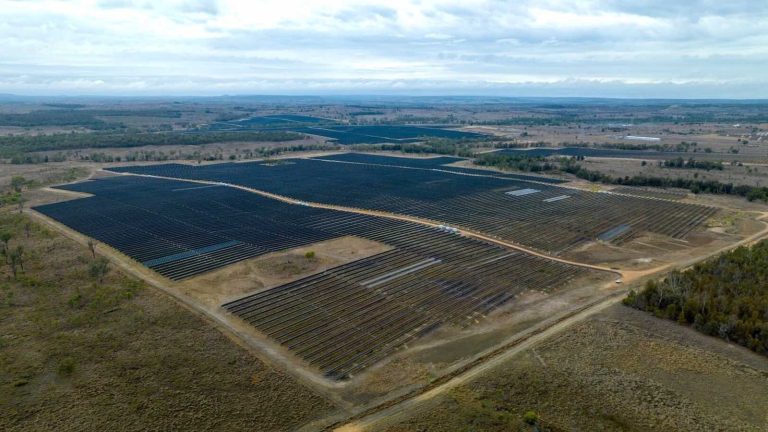
Vena Energy doubles solar farm size in Queensland, adding 320MW solar capacity and 450MW battery storage. Project to produce 700GWh annually, supporting state’s renewable energy goals.

Discover how ANU analysis reveals best sites for renewables, empowering local communities and reshaping regional future with billions in investment and jobs.
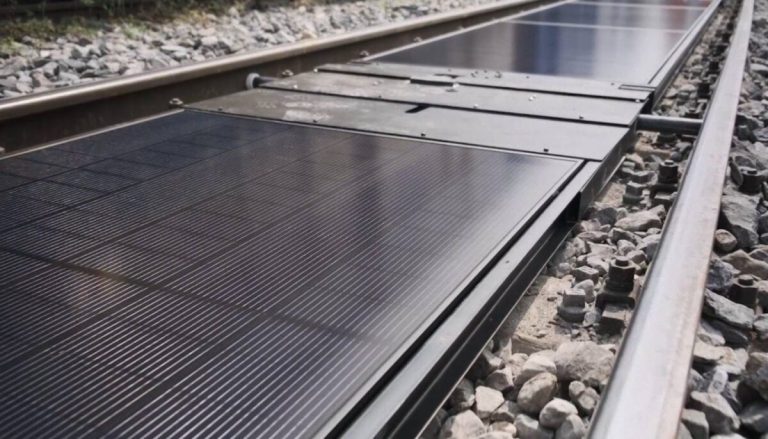
Sun-Ways inaugurates world’s first removable solar plant on Swiss railway line, aiming to power trains and reduce CO2 emissions globally.