Over 80 Oppose Solar Project, No One Registers to Speak
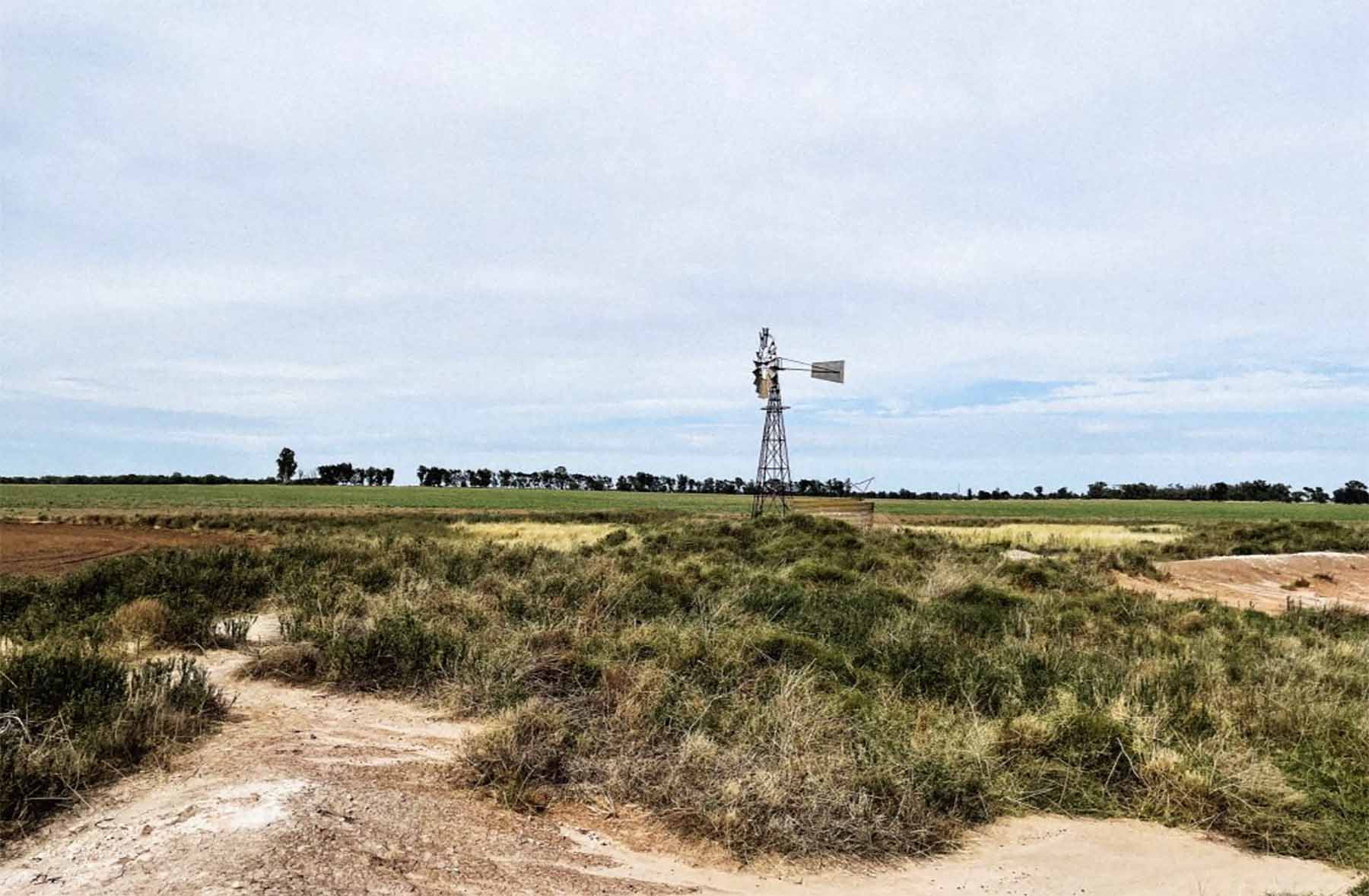
The Independent Planning Commission (IPC) in New South Wales has called off a public meeting intended to explore the future of the Burroway solar project because zero individuals registered to speak, despite over 80 written submissions received.
On Friday, the IPC announced that a public gathering was organised for next Thursday (February 12) at the Rawsonville Soldiers Memorial Hall, aimed at discussing Edify Energy’s 100-megawatt (MW) solar initiative in the central west of the state. However, the commission opted to cancel the meeting as “no speaker registrations” were submitted. It has indicated that written submissions will still be accepted until February 17.
Context of the Burroway Solar Project
The Burroway project is among several renewable energy and storage initiatives in New South Wales referred to the IPC, primarily due to a number of objections voiced from remote locations, including residents from other states. In total, there were around 81 objections to the Burroway project, none of which originated from within a 5-kilometre radius; however, 18 came from individuals residing interstate, along with five submissions from special interest groups, including Rainforest Reserves based in Queensland.
Submissions Highlight Key Concerns
Many objections centred on the reliability of renewable energy sources and the potential loss of agricultural land. Rainforest Reserves expressed that the project might lead to “substantial, irreversible harm to the Dubbo region.” In response to the feedback from various state departments and local councils, Edify has revised its traffic management plans and agreed to establish temporary accommodation for an estimated 250 construction workers associated with the project.
At a recent public meeting regarding another battery storage project near Deniliquin, participation was notably low, with only two speakers attending. There were no local written objections to that project; however, it also generated several long-distance objections from individuals who seemed unclear about the project’s specifics and location.
IPC’s Role and Recent Projects
The IPC holds the responsibility to evaluate all projects that garner more than 50 objections. On the other hand, some proposals do receive robust local feedback, as evidenced by the proposed Kingswood battery project near Armidale, which recently attained a long-term underwriting agreement for extended-duration storage from the state.
For further updates and insights on clean energy, over 29,000 subscribers are currently receiving the latest news directly to their inbox. To join them free of charge, simply subscribe to the daily newsletter.