NSW Focuses on Solar-Battery Hybrids to Replace Aging Coal Power
New South Wales is banking on solar-battery hybrid projects to provide additional capacity necessary for replacing its ageing coal-fired power generators. The state is poised to enhance support for this technology as it prepares to launch a series of major auctions this year.
In a bid to improve support for solar-battery hybrids, which have become the preferred technology due to decreasing battery storage costs and affordable solar energy, the state is considering modifications to its Long Term Electricity Service Agreements (LTESAs). These hybrid systems combine solar power with battery storage at a single connection point, enabling energy to be saved for peak demand periods in the morning and evening.
Advantages of Hybrid Projects
Recent federal auctions have seen solar-battery hybrids gain prominence, as they tend to be quicker, easier, and more cost-effective to construct compared to large-scale wind farms. Moreover, these hybrids can be integrated more easily with existing infrastructure, benefiting from the flexible nature of batteries. They typically face fewer planning challenges and are less affected by supply chain and transport issues.
These propositions are part of a broader suite of changes introduced by the Australian Energy Market Operator (ASL), which oversees the state and federal capacity auctions. The ASL is also keen to promote projects located outside renewable energy zones and aims to provide greater compensation to projects that may face limitations or delays in infrastructure development.
Growing Pressure to Replace Coal Capacity
NSW is under increasing pressure to build adequate capacity to substitute its old and unreliable coal-fired power stations, particularly as closure dates for Eraring and Vales Point facilities are being pushed back. There are rising expectations that Eraring, Australia’s largest coal generator at 2.88 GW, will continue operating, at least partially, beyond August 2027 due to concerns over potential energy shortfalls and price spikes during peak periods.
The initial target was to secure 12 GW of new capacity by 2030, but this has since increased to 16 GW to fill the gap left by retiring coal plants. This adjustment is crucial as overall energy demand rises, fueled by industrial needs, household electrification, and the growth in electric vehicles.
Upcoming Auctions and Changes in Strategy
These strategic changes align with expectations that NSW will meet its portion of the federal government’s Capacity Investment Scheme in the current auction, with results anticipated by May. The state plans to resume its own generation auctions in the second quarter, aiming to award a total of 5 GW of capacity across two auctions this year, with additional auctions slated for 2027.
“2026 will be pivotal for advancing the NSW Electricity Infrastructure Roadmap, as we prepare for generation infrastructure LTESA tenders to kick off from Q2 alongside our upcoming long-duration storage tender,” remarked Nevenka Codevelle, CEO of ASL, which oversees both the CIS and NSW auctions. “ASL acknowledges that since the creation of our Long-Term Energy Service Agreements, the market landscape and technologies have transformed, particularly with a notable rise in solar-hybrid projects.”
Solar-Battery Hybrids in the Market
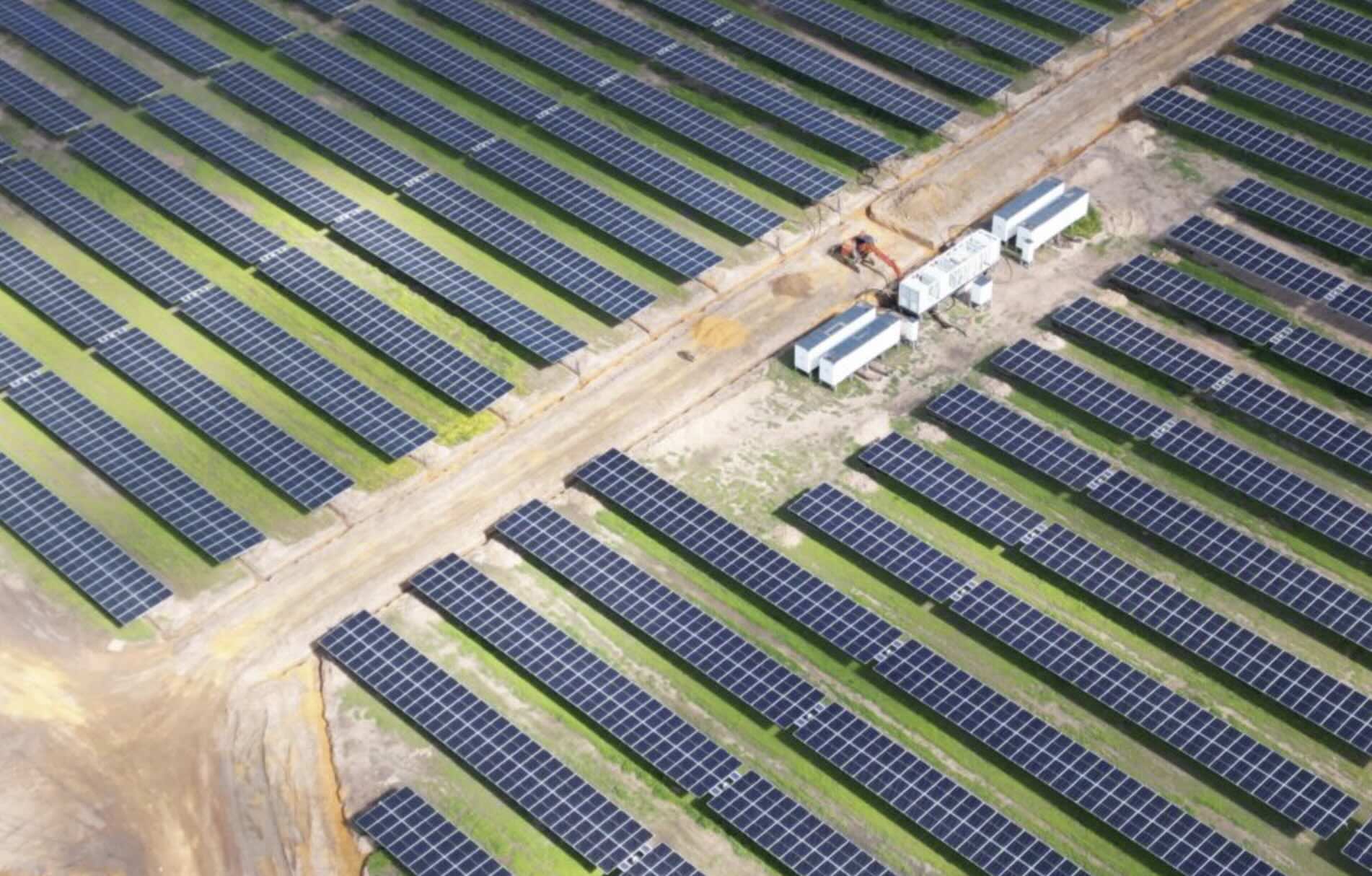
Solar-battery hybrids can effectively bypass negative price events that often lead to the shutdown of solar farms during midday. They enable energy storage until it is in higher demand and thus more valuable. Currently, Australia’s operational large-scale solar-battery hybrid remains at Cunderdin in Western Australia, which regularly feeds power to the grid during evening peaks and even at night.
The Quorn Park facility, the first solar hybrid connected to Australia’s main grid, is now energised. Meanwhile, two further projects, Maryvale and Goulburn River, are under construction after securing underwriting tenders in NSW earlier this year. Following this, an additional 18 solar-battery hybrids have been awarded agreements through two CIS auctions, five of which are in NSW: Glanmire, Bendemeer, Middlebrook, Merino, and Tallawang, with many others in various planning and community consultation stages.
Future of Renewable Energy Planning
The rise of solar-battery hybrids has influenced the Australian Energy Market Operator’s latest draft of the Integrated System Plan, which now features a significantly higher proportion of hybrids and a notable reduction in wind capacity. The current CIS tender, seeking 5 GW of generation capacity, is likely to favour solar-hybrid projects, though developers are also exploring wind-battery hybrids. In contrast, Victoria is prioritising wind-based initiatives over solar-battery hybrids for its allocation.
ASL is contemplating how best to tailor the LTESA for the unique aspects of solar-hybrid technology. A consultation paper has been released regarding a potential Hybrid Generation LTESA product designed to specifically support solar-hybrid projects and maximise their profitability. Feedback is being solicited on two potential frameworks: one based on a fixed shape and volume model, potentially linked to existing ASX products for peak times, and another centred on generation-following and risk-sharing models, which would focus on both exports and imports, allowing facilities to have a more dynamic role in the market.
For instance, a solar-only profile might yield around $65/MWh, while a fixed model for a solar-hybrid could fetch approximately $90/MWh during peak hours. A generation-following solar hybrid model might command a fixed price of $100/MWh, alongside a 50 per cent price risk share. ASL plans to solidify these options before recommencing its NSW tenders in the second quarter of 2026, with a total of 2.5 GW of capacity available, followed by another 2.5 GW tender by the year’s end.
It’s important to note that wind energy will continue to play a crucial role. “While these new offerings are tailored to promote solar-hybrids in the market, we want to emphasise that wind projects will remain a key focus and can also utilise this new product while benefiting from our existing Generation LTESA product,” Codevelle asserted.