NSW Focuses on Solar-Battery Hybrids to Replace Aging Coal Power
New South Wales (NSW) is gearing up to rely more on solar-battery hybrid projects to substitute its ageing coal-powered energy sources. With plans to ramp up support for this technology, the state is preparing to kick-start a series of significant auctions later this year.
The government is considering alterations to its Long Term Electricity Service Agreements (LTESAs) to more effectively back solar-battery hybrids. These combinations of solar power and battery storage are gaining traction due to the declining costs associated with battery technology and solar energy generation.
Advantages of Solar-Battery Hybrids
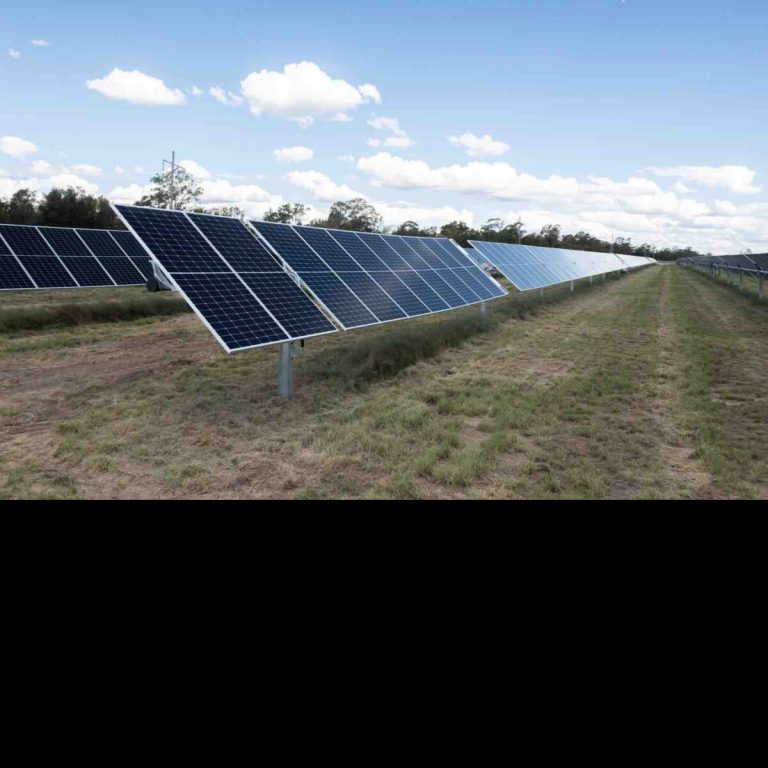
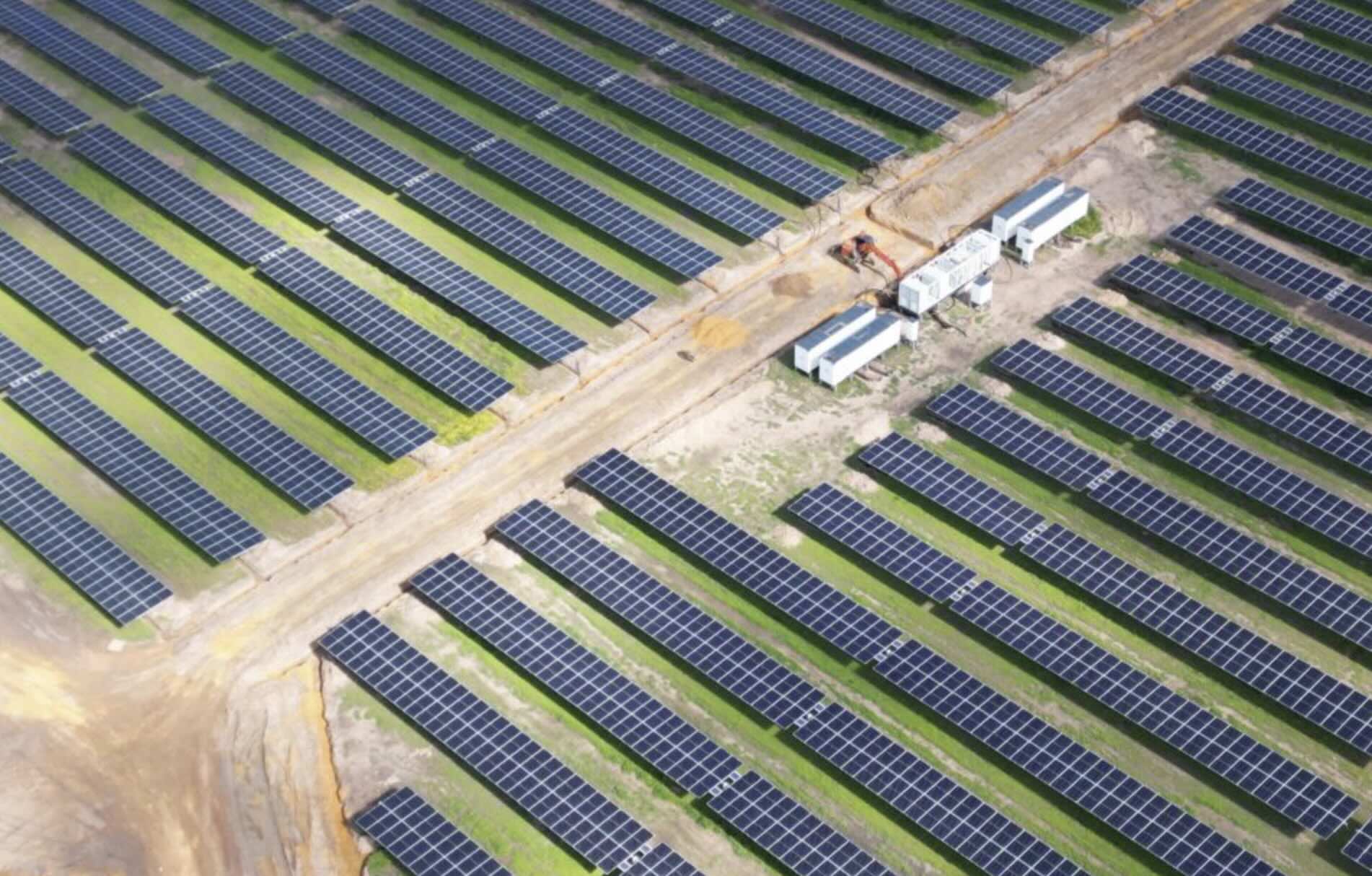
These hybrid systems, which allow solar energy to be stored for peak demand periods in the evenings and mornings, have become the preferred choice in recent federal auctions. They are emerging as faster and more cost-effective to construct compared to large wind farms. Furthermore, their ability to utilise existing infrastructure means they can often sidestep many planning and logistical challenges.
These proposed modifications are part of a broader set of changes introduced by ASL, the consumer trustee overseeing state and federal auction processes, also aimed at encouraging projects beyond designated renewable energy zones.
Increasing Capacity to Replace Coal Power
As NSW grapples with the urgent need to replace its outdated and unreliable coal-fired power stations, the state has elevated its target for new capacity. Initially hoping for at least 12 GW of power by 2030, the goal has now moved to 16 GW, in an effort to offset the dwindling output from retiring coal facilities while accommodating rising demands from both industries and households.
With many coal plants already pushing back closure dates, concerns about potential energy shortfalls have prompted expectations that Eraring, Australia’s largest coal generator, might run on a limited basis beyond August 2027.
Furthermore, as NSW progresses towards fulfilling its quota under the federal government’s Capacity Investment Scheme, results for current auctions are anticipated by May. Subsequently, the state plans to resume its own generation auctions in the second quarter.
Future Auction Plans
This year, NSW intends to allocate a total of 5 GW of capacity across two auctions, with further auctions slated for 2027. According to Nevenka Codevelle, CEO of ASL, “2026 is set to be pivotal for supporting the NSW Electricity Infrastructure Roadmap, with tender processes for generation infrastructure LTESAs scheduled to restart from Q2.”
Codevelle acknowledged the evolution of market conditions and technologies since the introduction of the LTESAs, highlighting the shift towards solar-hybrid projects that offer quicker deployment capabilities.
Impact of Solar-Battery Hybrids on the Energy Market
Solar-battery hybrids help mitigate the issues of negative pricing, which often forces traditional solar farms to halt operations during peak sunlight hours. Instead, these systems can store energy for later use, when prices are more favourable and demand is heightened.
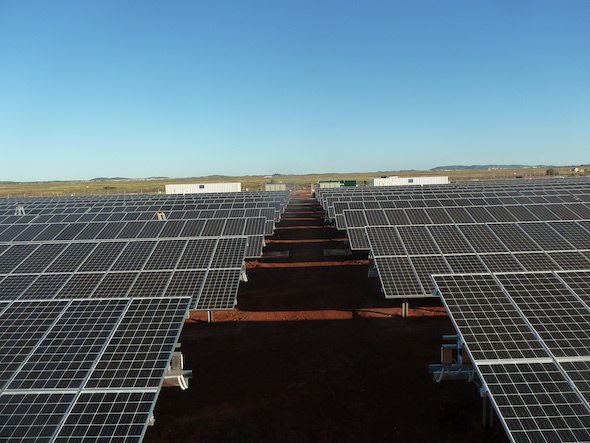
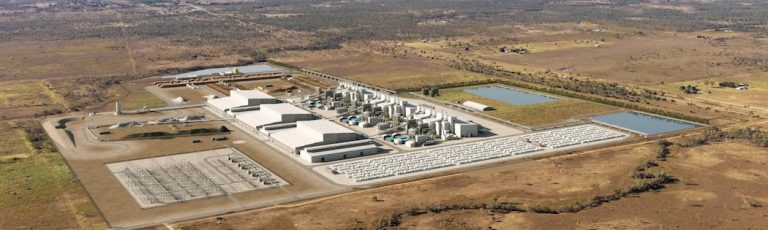
In Western Australia, the Cunderdin facility remains the only large-scale operational solar-battery hybrid contributing power to the grid at peak times, including overnight. Meanwhile, the Quorn Park project in central NSW has recently been energised, and additional facilities, Maryvale and Goulburn River, are under construction, following their successful bids in NSW’s 2023 underwriting tenders.
Emerging Trends in the Australian Energy Landscape
Since then, 18 more solar-battery hybrids have secured underwriting agreements through two auctions, five of which are located in NSW. As the cost of battery storage continues to decrease, the Australian Energy Market Operator has adjusted its planning frameworks to reflect a greater emphasis on solar hybrids, signalling a decline in anticipated wind capacity.
In the current CIS tender, which seeks 5 GW of generation capacity, solar-hybrid systems are expected to perform well, although Victoria has opted solely for wind-centric projects for its allocation.
ASL aims to refine its LTESA products to effectively accommodate the unique requirements of solar-hybrid technologies, currently seeking stakeholder feedback on potential models that maximise revenue opportunities.
Proposed Financial Models
Suggestions include a fixed price model and a generation-following pricing structure that could encourage more active participation from hybrid facilities in energy markets. While projections indicate a potential price of around $65/MWh for solar-only models, hybrid systems could see prices ranging potentially from $90/MWh to $100/MWh, depending on the model applied.
ASL is keen to finalise these options ahead of the second quarter tendering process, offering 2.5 GW of capacity followed by another 2.5 GW before year-end. Despite the focus on solar hybrids, ASL affirms the continued importance of wind energy within their strategic plans.
Codevelle clarified that, “While these products are designed to enhance solar-hybrids, wind projects remain a crucial component of our energy strategy and will continue to benefit from our established LTESA framework.”