NSW Focuses on Solar-Battery Hybrids to Replace Aging Coal Power
New South Wales (NSW) is banking on solar-battery hybrid projects to supply additional power capacity required to phase out its outdated coal-fired power stations. As the state gears up for a series of significant auctions this year, it is also aiming to enhance support for this innovative technology.
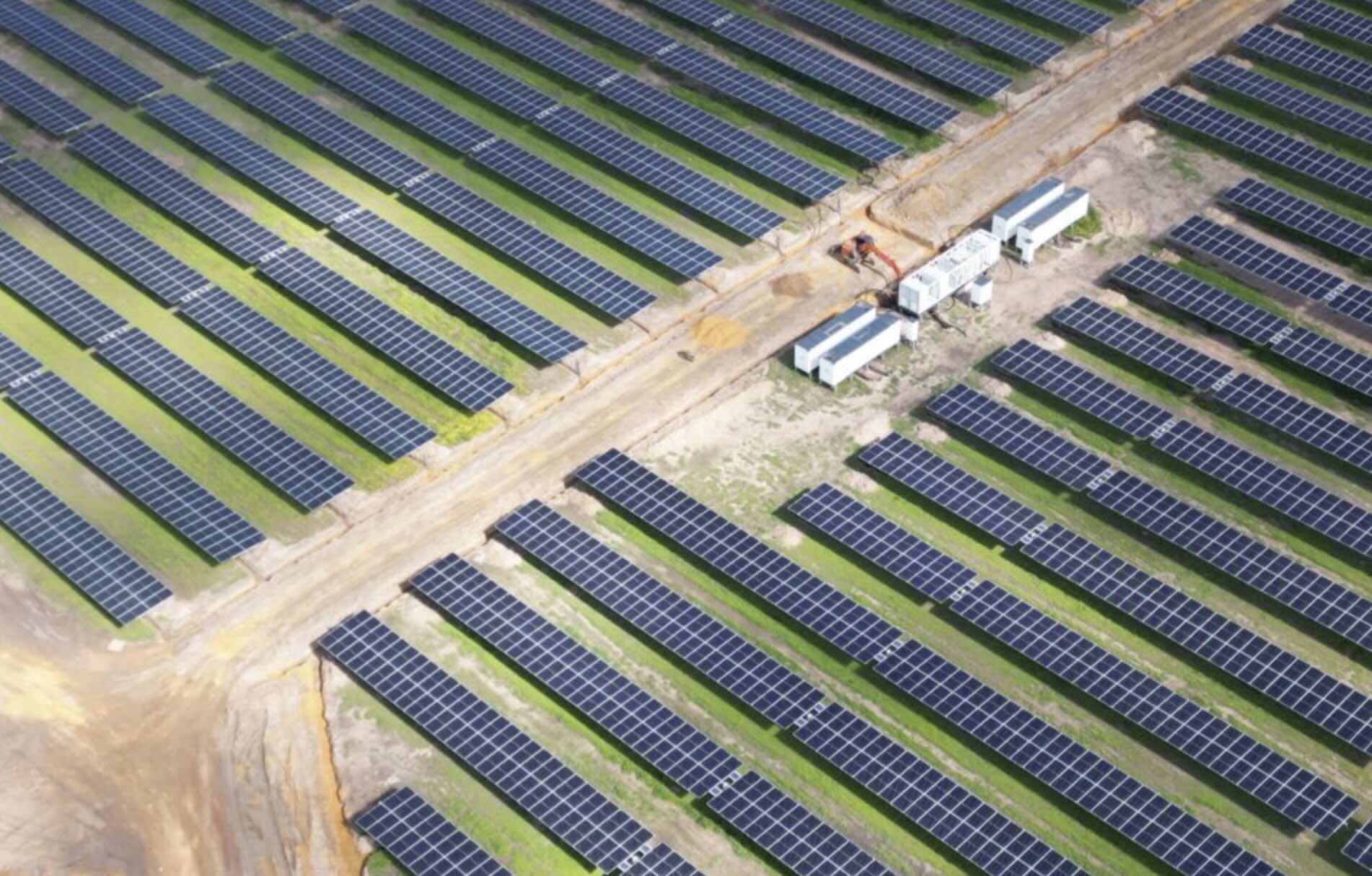
The state plans to modify its Long Term Electricity Service Agreements (LTESAs) to better accommodate solar-battery hybrids, which are increasingly favoured due to the declining costs of battery solutions and solar energy production. This hybrid model, which integrates solar panels and battery storage at a single connection point, allows for energy storage that caters to higher demand during peak evening and morning periods. Recent federal auctions reveal that these hybrids outpace large-scale wind farms in terms of speed, ease of construction, and cost-effectiveness.
Benefits of Solar-Battery Hybrids
Besides their cost and construction advantages, solar-battery hybrids can be more easily integrated into existing network infrastructure, largely due to the adaptability of battery systems. They typically encounter fewer obstacles in planning processes and face less difficulty with equipment logistics compared to other renewable projects.
This initiative is part of several changes proposed by ASL, the consumer trustee overseeing the state and federal capacity auctions, which also includes initiatives aimed at encouraging projects situated outside designated renewable energy zones. Additionally, adjustments are planned to benefit projects concerned about being left behind due to infrastructure delays, enabling them to secure higher compensation for reduced output during initial years.
Addressing Environmental and Energy Needs
NSW is under increasing pressure to establish enough capacity to replace its ageing coal facilities, with some closures already postponed, including those of the Eraring and Vales Point power stations. There is mounting speculation that Eraring, Australia’s largest coal-powered generator at 2.88 GW, may operate partially beyond its expected shutdown date in August 2027, as the government remains wary of possible power shortages or significant price surges during peak demand times.
Initially aiming for 12 GW of new capacity by 2030, NSW has upped its goal to 16 GW to bridge the gap left by retiring coal plants, amidst rising demand driven by residential electrification and the growing adoption of electric vehicles.
Upcoming Auctions and Market Dynamics
Recent announcements indicate that NSW is on track to meet its allocation under the federal government’s Capacity Investment Scheme in the current auction, with outcomes expected by May. The state intends to commence its own generation auctions in the second quarter of this year, targeting a total capacity of 5 GW across two auctions, with additional auctions planned for 2027 based on newly outlined investment priorities.
“The year 2026 is pivotal as we advance the NSW Electricity Infrastructure Roadmap. Our LTESA tenders will recommence in Q2 alongside another long-duration storage tender,” stated Nevenka Codevelle, CEO of ASL, which oversees the CIS and NSW auctions.
ASL acknowledges the evolution of market conditions and technologies since the LTESAs were originally developed, observing a pronounced shift toward solar-hybrid projects, which typically offer a reduction in time to market. “These projects present a viable opportunity to achieve our infrastructure investment targets by 2030,” Codevelle added.
Dynamic Energy Management with Solar-Battery Hybrids
Solar-battery hybrids can avoid the adverse pricing situations that often compel solar farms to halt operations during midday periods. Instead, they can store excess energy until it’s most needed, maximising value during peak demand.
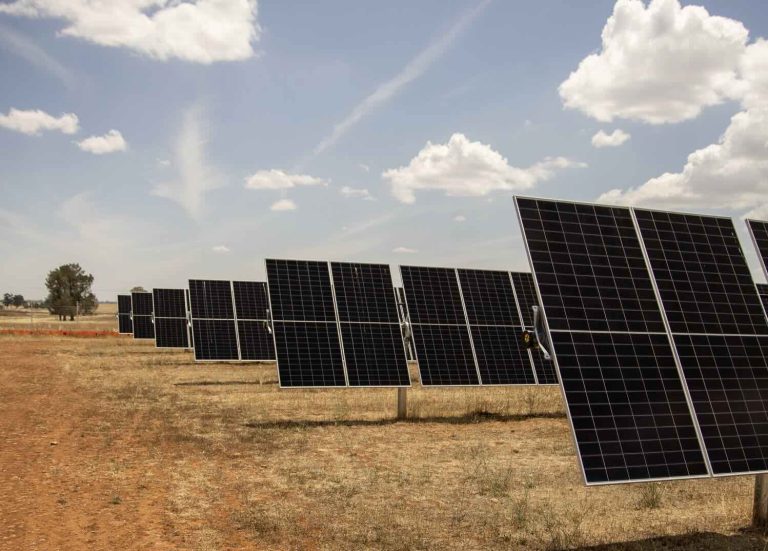
Currently, Australia hosts a single large-scale operational solar-battery hybrid in Cunderdin, Western Australia. This facility regularly supplies power to the grid during evening peaks and throughout the night. The Quorn Park solar-hybrid project, located near Parkes in central NSW, has now been energised, with other projects like Maryvale and Goulburn River also under construction after securing underwriting tenders in NSW this year.
In total, 18 solar-battery hybrids have secured underwriting agreements through two rounds of CIS auctions, including five in NSW—Glanmire, Bendemeer, Middlebrook, Merino, and Tallawang. A number of other projects are currently navigating through planning stages and community consultations.
Future Directions and Market Considerations
The emergence of solar-battery hybrids has significantly influenced the planning strategies of the Australian Energy Market Operator, as reflected in the latest draft of the Integrated System Plan, which now shows an increased focus on hybrids while reducing the anticipated wind capacity.
Solar-hybrids are expected to perform well in the ongoing CIS tender, aiming for a total of 5 GW in generation capacity. In contrast, developments in Victoria are limited to wind-focused projects rather than solar-battery hybrids.
ASL is currently exploring how to best adapt the LTESA framework for these emerging technologies. They have released a consultation document proposing a tailored Hybrid Generation LTESA to enhance the revenue potential of solar-hybrid projects.
ASL is looking for responses on two possible options: a fixed shape and volume model, potentially anchored to existing ASX product patterns, or a generation-following and price risk-sharing model that focuses on dynamic market participation.
Examples suggest that solar-only profiles might command a competitive price at approximately $65/MWh, while solar-hybrids could secure more substantial rates, with a shaped model attracting around $90/MWh during specific night hours. A generation-following hybrid could achieve $100/MWh with a shared price risk. It’s important to note these figures are illustrative and will vary based on individual project strategies and customer needs.
ASL aims to finalise these options ahead of recommencing its NSW tenders in Q2 2026, offering 2.5 GW of capacity, followed by another 2.5 GW auction later that year. Nonetheless, wind energy will continue to play a crucial role in the state’s energy strategy.
“While these new products are specifically designed to bolster the presence of solar-hybrids, it’s important to emphasise that wind projects remain a key priority and will still benefit from the existing Generation LTESA framework,” Codeville clarified.