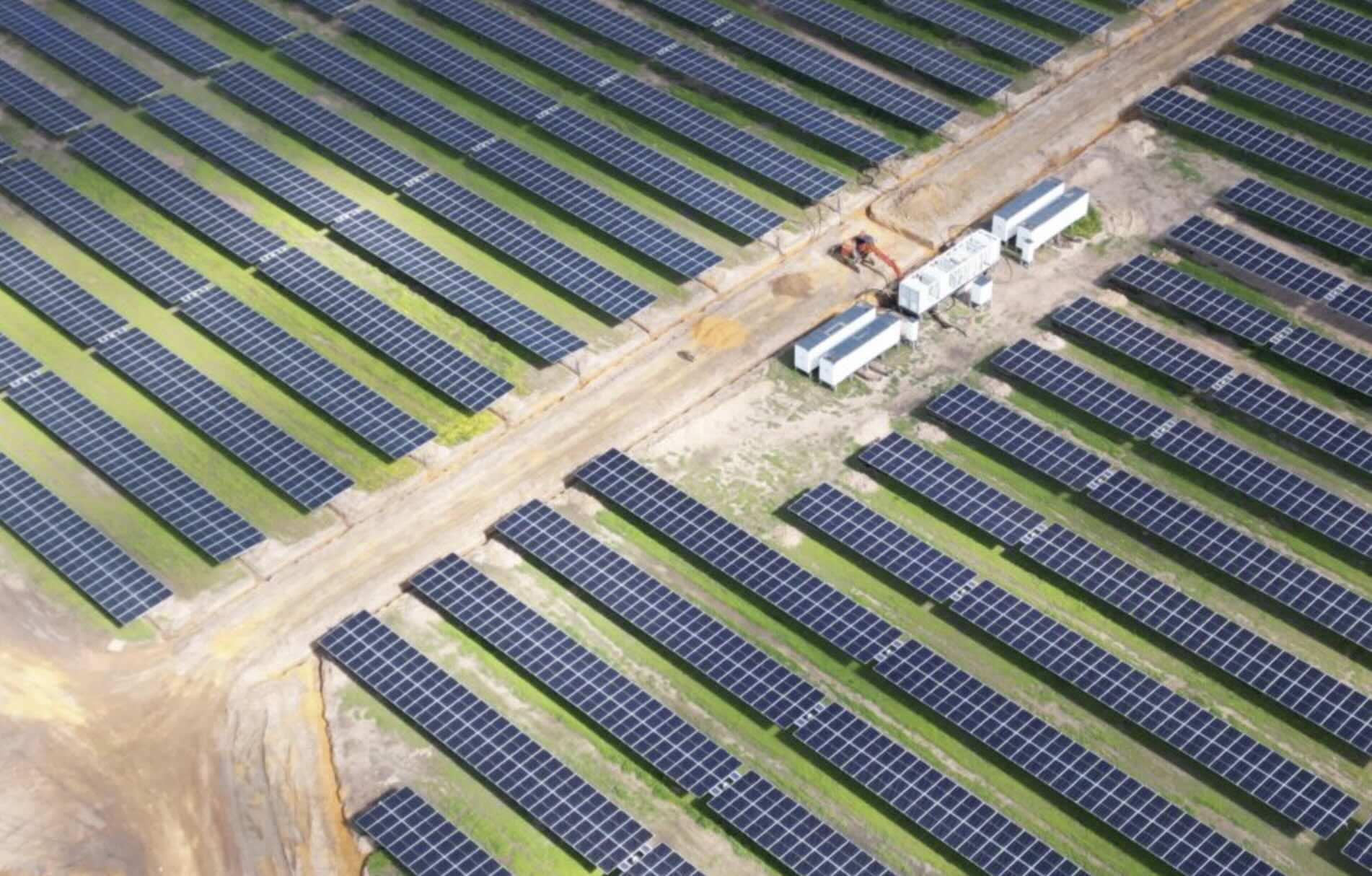
NSW Focuses on Solar-Battery Hybrids to Replace Aging Coal Power
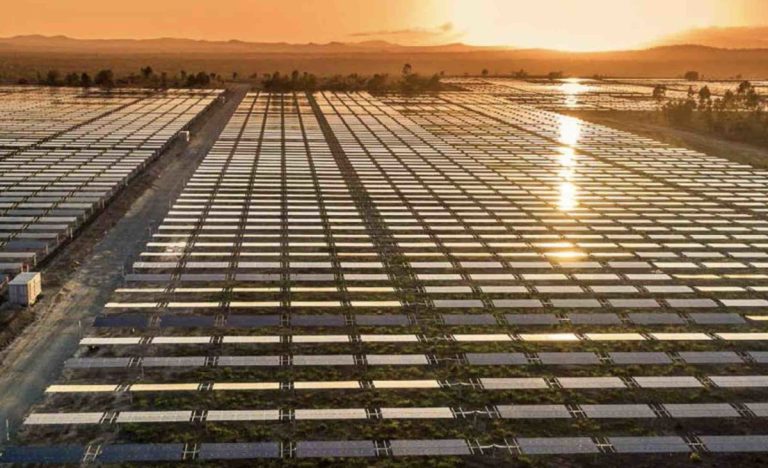
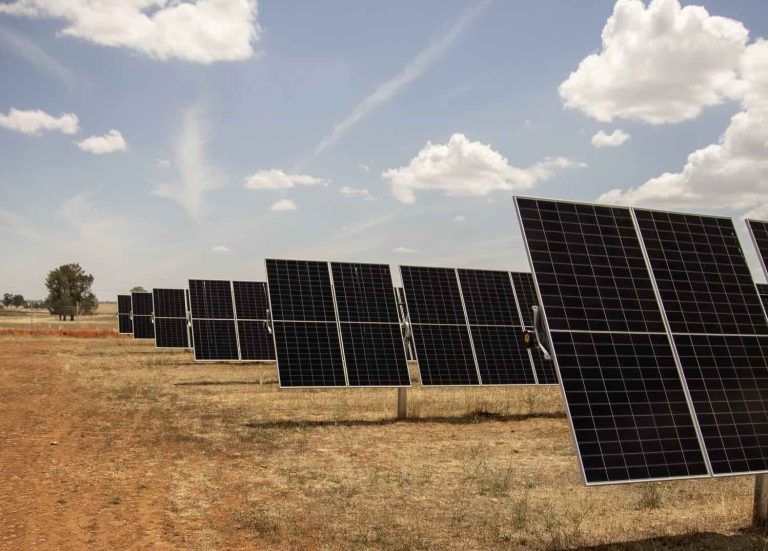
New South Wales is setting its sights on solar-battery hybrid projects as a key solution to replace its aging coal-fired power stations. With plans to boost support for this technology, the state is gearing up for a series of significant auctions this year.
The government is considering modifications to its Long Term Electricity Service Agreements (LTESAs) to better accommodate solar-battery hybrids. These projects are emerging as preferred choices due to the dramatically decreasing costs of battery storage alongside affordable solar energy.
Advantages of Solar-Battery Hybrids
By linking solar energy generation with battery storage at the same connection point, these hybrids can store energy for high-demand periods during the evenings and mornings. They have recently proven to be more efficient to construct compared to large-scale wind farms, dominating the latest federal auctions.
Additionally, the placement flexibility of battery systems allows for easier installation on existing energy infrastructure, which often leads to fewer planning obstacles and smoother logistics regarding equipment supply.
Strategic Changes by ASL
These initiatives are part of broader adjustments introduced by ASL, the agency managing capacity auctions in both state and federal contexts. Among other measures, there is an emphasis on encouraging projects located outside designated renewable energy zones, providing greater support for those concerned about potential delays in infrastructure development.
NSW faces mounting expectations to establish adequate energy capacity to compensate for its deteriorating coal power plants, with closures of facilities like Eraring and Vales Point looming on the horizon.
New Capacity Targets Set
The government has raised the bar for new energy capacity from an original 12 GW target to a more ambitious 16 GW by 2030. This is aimed at ensuring that demand from industries, households, and the expanding electric vehicle sector is met as coal plants retire.
As part of this strategy, NSW plans to fulfil its allocation under the federal government’s Capacity Investment Scheme (CIS) during the current auction, with outcomes expected by May, and it intends to resume its own auctions in the second quarter of the year.
Future Auctions and Plans
There are plans to award a total of 5 gigawatts of capacity through two auctions this year, with additional auctions slated for 2027 as outlined in its newly published investment priorities. Nevenka Codevelle, CEO of ASL, highlighted 2026 as a pivotal year for advancing the NSW Electricity Infrastructure Roadmap, indicating that LTESA tenders will restart alongside new long-duration storage tenders.
Codevelle mentioned ASL’s recognition of the changing market conditions and the shift towards solar-hybrid projects, which generally allow for quicker implementation and the potential to meet 2030 infrastructure investment goals.
Operational Mechanics of Solar-Hybrids
Solar-battery hybrids are advantageous as they can avoid the negative price fluctuations that typically cause solar plants to shut down during peak daylight hours, storing energy for times when it is in higher demand and thus more valuable.
Currently, Australia boasts only one large-scale solar-battery hybrid operating at Cunderdin in Western Australia, which delivers power to the grid consistently during evening peaks and often throughout the night.
Recent Developments in Hybrid Projects
The inaugural solar-hybrid facility on Australia’s primary grid, the Quorn Park project near Parkes in NSW, is now functioning, while two other projects, Maryvale and Goulburn River, are under construction as the initial solar hybrids to secure underwriting agreements in 2023.
In total, 18 solar-battery hybrids have received underwriting agreements via two CIS auctions, including five based in NSW: Glanmire, Bendemeer, Middlebrook, Merino, and Tallawang. Numerous additional projects are currently navigating the planning and community consultation phases.
Implications for the Energy Market
The rise of solar-battery hybrids and the ongoing decline in battery storage costs have significantly influenced the Australian Energy Market Operator’s planning framework, the Integrated System Plan, leading to a notable increase in reliance on hybrids and a reduction in wind capacity within recent assessments.
In the ongoing CIS tender, which seeks 5 GW of generation capacity, solar-hybrids are expected to perform well, with some developers also exploring wind and battery hybrid options. In contrast, Victoria is specifically aiming for wind projects without integrating solar-battery hybrids into its plans.
Consultation for Hybrid Generation LTESA
ASL is actively developing a consultation paper regarding the design of a Hybrid Generation LTESA product tailored to support solar-hybrid projects and enhance their potential earnings. The organisation is gathering insights on two proposed structures, one focusing on fixed price models and the other on generation-following and shared risk regarding pricing, especially in terms of imports and exports.
Illustratively, a solar-only profile could yield around $65/MWh, while a solar-hybrid with a fixed shape model might attract about $90/MWh during peak evening hours. The generation-following solar hybrid model could offer a fixed price of $100/MWh, involving a shared price risk.
The Importance of Wind Energy
ASL is keen to iron out the details of these new models before restarting NSW tenders in the second quarter of 2026, with an offering of 2.5 GW capacity followed by a similar amount later in the year. Despite the emphasis on solar-hybrids, ASL reaffirms that wind energy remains a crucial component of future plans.
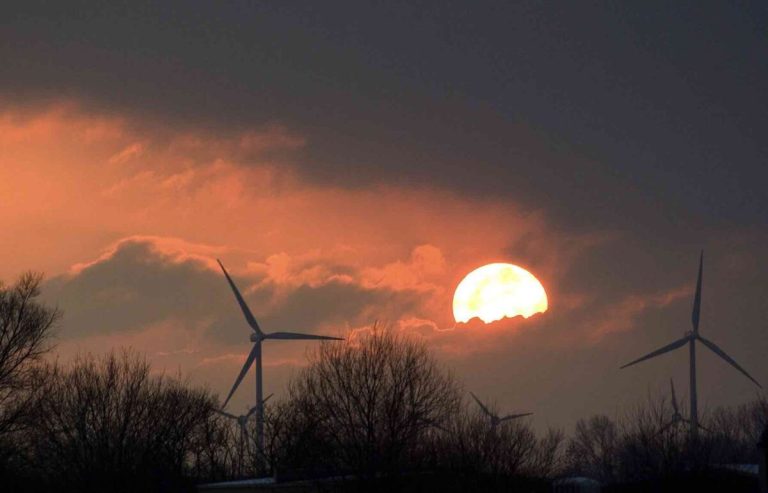
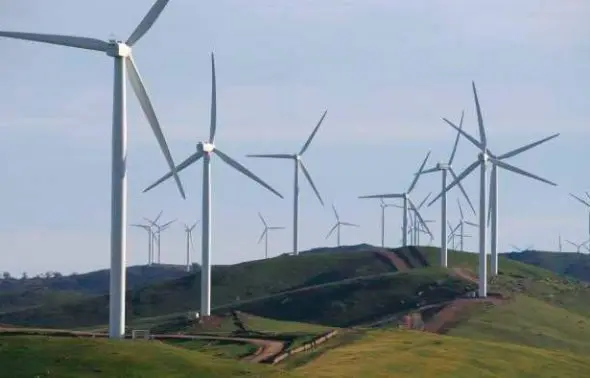
Codevelle noted that while the new products are designed to favour the influx of solar hybrids, wind projects will continue to be a priority and remain eligible for support under existing Generation LTESA agreements.