NSW Focuses on Solar-Battery Hybrids to Replace Aging Coal Power
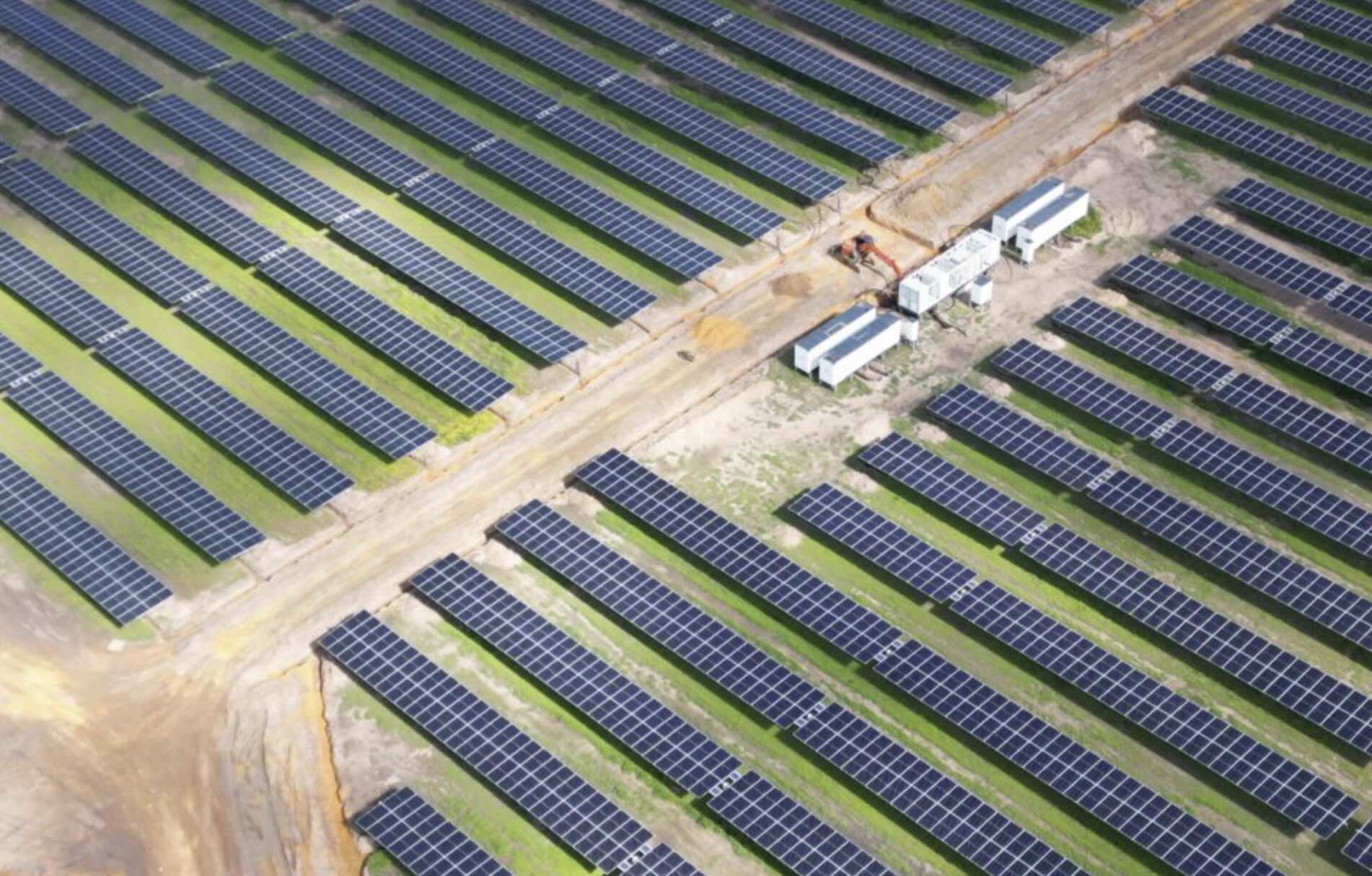
New South Wales is investing in solar-battery hybrid projects as a key initiative to replace its outdated coal-fired power stations. As the state gears up for a series of major auctions this year, it is also seeking to enhance the support available for this emerging technology.
The government is planning to modify its Long-Term Electricity Service Agreements (LTESAs) to better accommodate solar-battery hybrids. These systems are becoming increasingly preferred thanks to significantly reducing costs associated with battery storage alongside affordable solar energy.
Advantages of Solar-Battery Hybrids
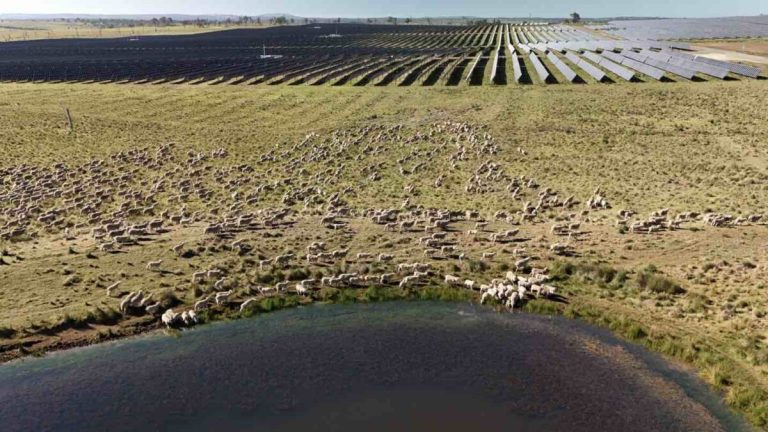
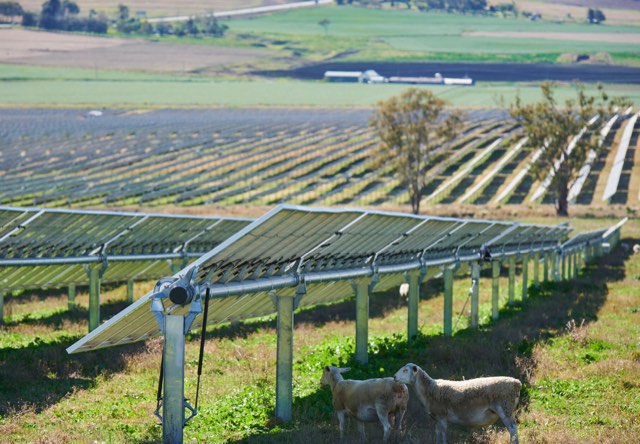
Solar-battery hybrids, which integrate both solar power and battery storage at a single connection, allow for energy to be stored for use during peak demand times in the evening and morning. They have dominated recent federal auctions due to their speed, affordability, and ease of construction, especially when compared to large-scale wind farms. Additionally, these systems can often be strategically located near existing infrastructure, which simplifies planning and mitigates supply chain issues.
Latest Proposals and Challenges
These initiatives are part of a broader set of changes introduced by ASL, the body overseeing the state and federal capacity auctions. This plan also aims to promote the development of projects outside traditional renewable energy zones. Additionally, adjustments will allow projects that may face hurdles from delayed infrastructure to receive greater compensation for lower outputs during their initial years.
In light of increasing pressure to expand capacity to counter the unreliable coal plants, New South Wales has revised its target from a minimum of 12 GW to 16 GW of new capacity by 2030. This is in response to expected increases in demand due to industrial growth, household electrification, and the rise in electric vehicles.
Future Auctions and Expectations
With expectations for NSW to meet its federal government Capacity Investment Scheme quota in the current auction cycle – results of which are anticipated by May – plans to restart its own auctions in the upcoming June quarter are underway. The state aims to allocate a total of 5 GW of capacity across two auctions this year, with additional auctions planned for 2027 as part of its updated investment strategy.
According to ASL CEO Nevenka Codevelle, 2026 will be pivotal for the delivery of the NSW Electricity Infrastructure Roadmap. She noted that the evolution of market conditions and technologies calls for adjustments to the Long-Term Energy Service Agreements to accommodate the growth in solar-hybrid projects.
Benefits and Current Developments
Solar-battery hybrids present a unique advantage by enabling energy storage, allowing these systems to maintain output during periods of high demand, unlike traditional solar farms that often need to turn off during midday low-price events. Currently, Australia has only one large-scale operational solar-battery hybrid, located in Cunderdin, Western Australia, while new projects such as Quorn Park are joining the grid.
Several solar-battery hybrids have already secured underwriting agreements in New South Wales, with more in the pipeline. The Australian Energy Market Operator is also adapting its Integrated System Plan to reflect the increased role of these hybrids, indicating a significant shift in future energy planning.
Consultations and New Product Models
ASL is now seeking feedback on potential designs for a Hybrid Generation LTESA product to enhance support for solar-hybrid initiatives. One proposed model involves a fixed volume based on peak demand, while another would adapt to generation levels and share price risks, focusing on market participation.
Projected figures, while indicative, suggest that solar-only projects might draw around $65/MWh, while a hybrid with a shaped model could go for approximately $90/MWh during off-peak night hours, and a generation-following model could reach $100/MWh with a 50% price risk share. The final strategy will depend on consultation outcomes and individual project needs.
ASL aims to finalise these options as it prepares to restart its tenders in the second quarter of 2026, with plans for subsequent offerings later in the year. Wind energy will continue to play a crucial role, and wind projects will still have access to the existing Generation LTESA product, according to Codevelle.