NSW Focuses on Solar-Battery Hybrids to Replace Aging Coal Power
New South Wales is optimistically counting on solar-battery hybrid projects to provide the necessary capacity to replace its aging coal-fired power stations. The state is poised to enhance support for this technology as it gears up to resume a range of significant auctions throughout the year.
Plans are underway to modify the framework of its underwriting agreements, known as Long Term Electricity Service Agreements (LTESAs), to better accommodate solar-battery hybrids. This approach reflects the increasing viability of these projects, thanks to the falling costs of both solar energy and battery storage.
Advantages of Solar-Battery Hybrids
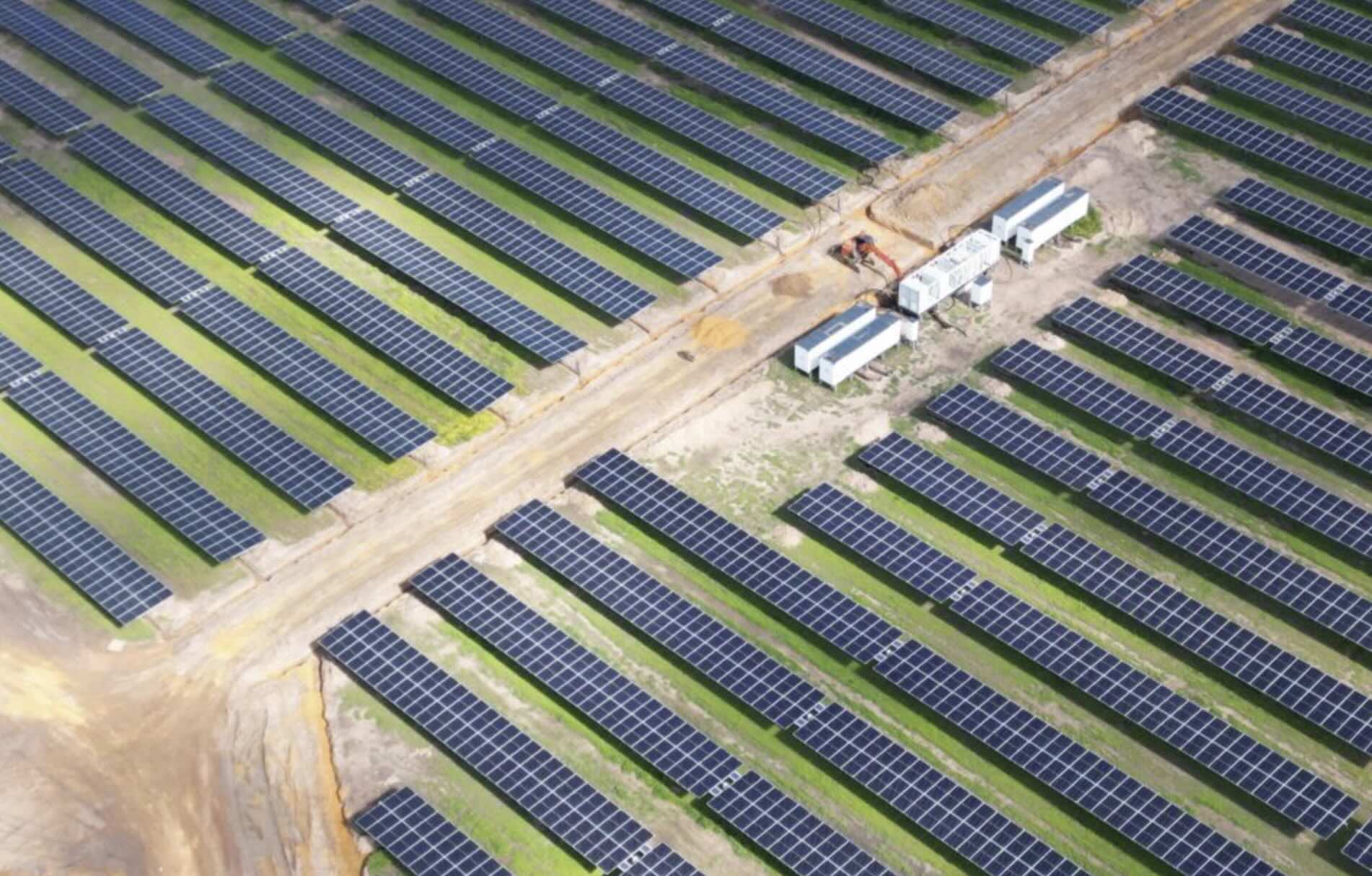
These hybrid systems integrate solar power with battery storage at the same connection point, allowing energy to be stored for evening and morning demand peaks. They have proven more expedient, efficient, and economical to construct than large-scale wind farms in recent federal auctions.
Additional benefits of solar-battery hybrids include their ability to be more flexibly situated on existing electrical infrastructure, resulting in fewer planning obstacles and reduced challenges concerning equipment supply chains and transport logistics.
New Reforms and Capacity Targets
The proposals are part of a series of reforms introduced by ASL, the consumer trustee overseeing state and federal capacity auctions, designed to encourage projects located beyond designated renewable energy zones. New initiatives will also assist projects that face the threat of being stranded due to delayed infrastructure, providing greater compensation for lower output in their initial years.
Amid increasing pressure to ensure adequate capacity to replace its unreliable coal-fired stations, closure dates for the Eraring and Vales Point plants are already being pushed back. There is a rising anticipation that Eraring, which is Australia’s largest coal generator with a capacity of 2.88 GW, will continue operations, at least partially, beyond August 2027 due to concerns over potential supply shortages and evening price spikes.
Initially targeting 12 GW of new capacity by 2030, New South Wales has since raised its target to 16 GW to effectively bridge the gap left by retiring coal plants as overall energy demand increases from industrial needs, household electrification, and the expansion of electric vehicles.
Upcoming Capacity Auctions
The proposed changes are being unveiled as NSW is projected to meet its quota for the federal government’s Capacity Investment Scheme in the current auction—results will be released by May. The state also plans to restart its own generation auctions in the second quarter, aiming to allocate a total of 5 GW of capacity across two auctions this year, with additional auctions scheduled for 2027, according to the latest investment priorities.
“2026 is a significant year for our efforts to support the delivery of the NSW Electricity Infrastructure Roadmap, as generation infrastructure LTESA tenders are set to restart from Q2 alongside our upcoming long-duration storage tender,” said Nevenka Codevelle, the CEO of ASL, which manages both the CIS and NSW auctions.
“ASL is aware that since developing our Long-Term Energy Service Agreements, market conditions and technologies have evolved, particularly with a marked shift towards solar-hybrid projects, which typically offer shorter timeframes to market and align with our 2030 infrastructure investment goals.”
Current Solar-Battery Hybrid Landscape
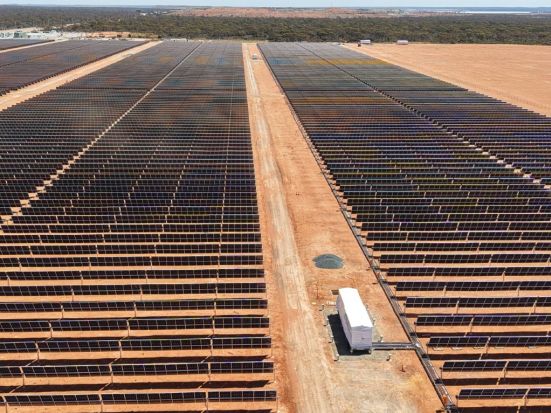
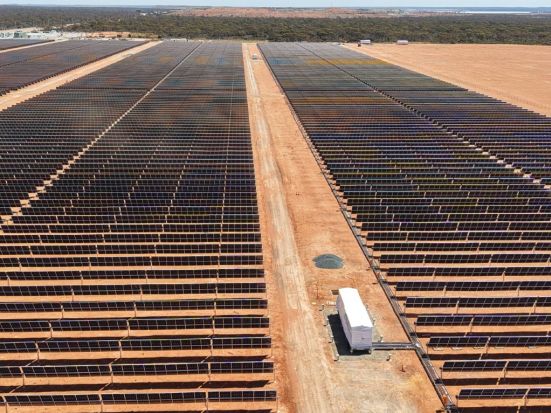
Solar-battery hybrid setups can bypass the adverse pricing events that typically compel solar farms to shut down during peak sunlight hours, allowing energy to be stored for later use when it is more valuable and demand is heightened. Currently, Australia has only one fully operational large-scale solar-battery hybrid facility — the Cunderdin plant in Western Australia, which supplies power to the grid during evening peak times and often later into the night.
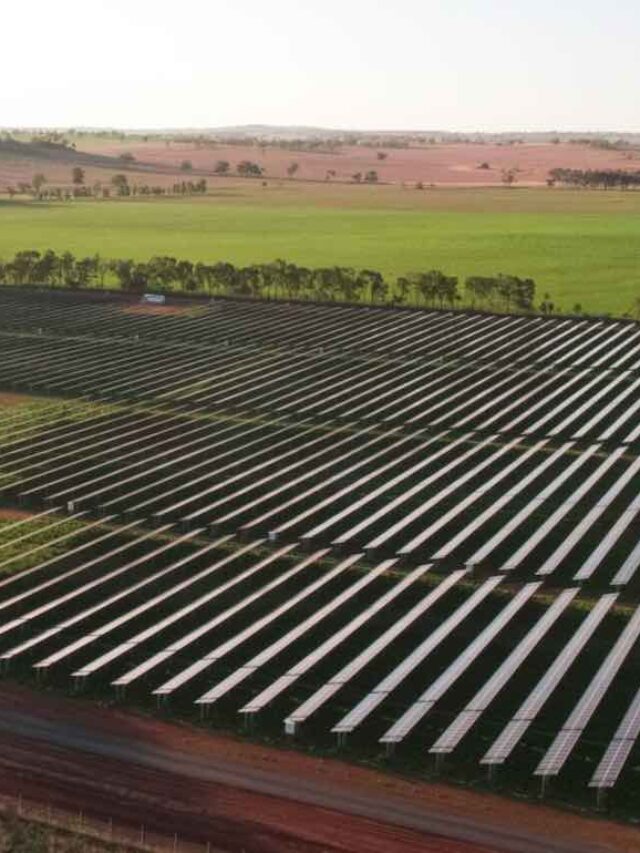
The Quorn Park facility near Parkes, NSW, has recently been activated as the first solar-battery hybrid on Australia’s primary grid, followed by the construction of Maryvale and Goulburn River facilities, which became the inaugural projects to secure underwriting tenders in NSW earlier this year.
A total of 18 solar-battery hybrids have obtained underwriting agreements through two CIS auctions, including five from NSW—Glanmire, Bendemeer, Middlebrook, Merino, and Tallawang. Many additional projects are navigating the planning process and engaging with communities.
Market Evolution and Future Prospects
The rising prominence of solar-battery hybrids, coupled with the declining cost of battery storage, is already influencing the Australian Energy Market Operator’s planning framework, the Integrated System Plan, which now reflects a significantly increased share of these hybrids and a reduced emphasis on wind capacity in its latest draft.
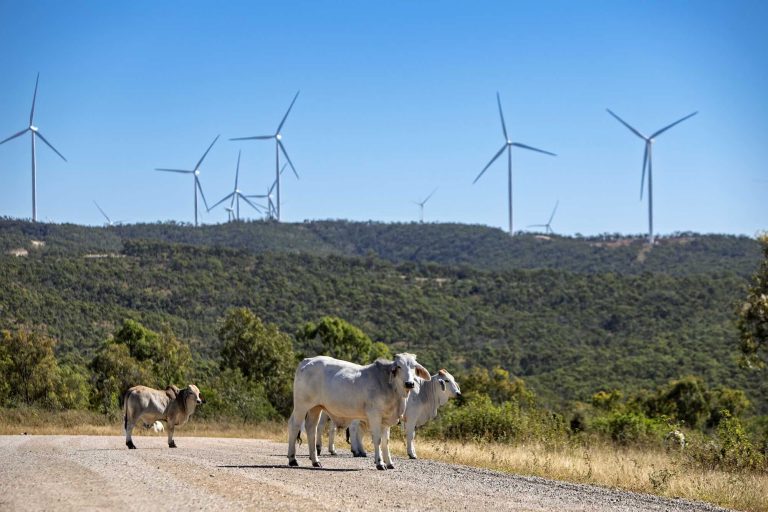
Solar hybrids are anticipated to perform well in the current CIS tender 7, which is targeting a total of 5 GW in generation capacity. Some developers are also advocating for wind and battery hybrids, whereas neighbouring Victoria prefers to focus exclusively on wind-based projects for its allocation.
ASL is currently assessing how to best customise the LTESA product to reflect the specific characteristics of this technology. A consultation paper has been published regarding the potential design of a Hybrid Generation LTESA product, set to specifically back solar-hybrid projects while maximising their potential revenue streams.
Feedback is being sought on two proposed options: one based on a fixed shape and fixed volume model, potentially aligning with existing ASX products such as morning and evening peaks, and another based on generation-following and price risk sharing aimed at enhancing market engagement.
As a sample, it is suggested that a purely solar profile might command a price of about $65/MWh, while a solar-hybrid employing a shaped model could attract a fixed price of approximately $90/MWh between 9 pm and 6 am, and a generation-following solar-hybrid model could garner a fixed price of $100/MWh with a 50 per cent price risk share. However, these figures are merely indicative, with actual pricing likely contingent on individual operational strategies and customer requirements.
ASL aims to finalise these options prior to resuming its NSW tenders in the second quarter of 2026, offering 2.5 GW of capacity followed by another 2.5 GW before the year’s conclusion. Nonetheless, ASL reiterates that wind power will remain a pivotal consideration in the energy transition.
“While these new offerings are specifically tailored to support the growing number of solar-hybrids, we want to emphasise that wind projects continue to be a priority and can also benefit from this new product alongside the existing Generation LTESA framework,” Codevelle affirmed.