NSW Abattoir Expands Solar Farm and Adds Battery for Energy Independence
A sheep abattoir located in the Riverina region of New South Wales (NSW) is set to expand its solar power capabilities, doubling the capacity of its solar farm and incorporating a battery system to minimise reliance on the electrical grid.
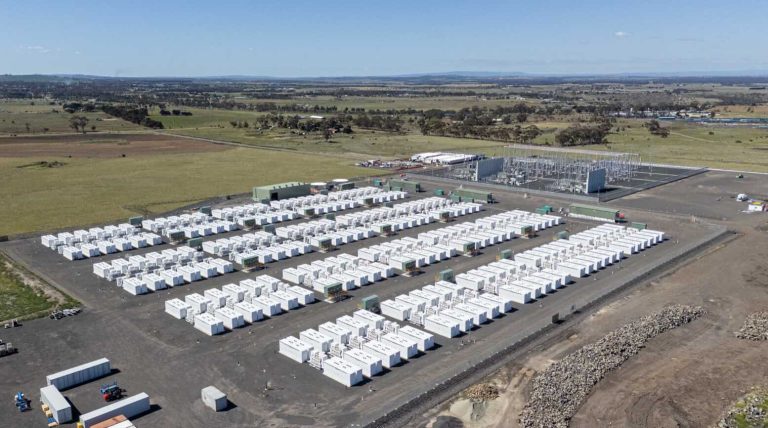
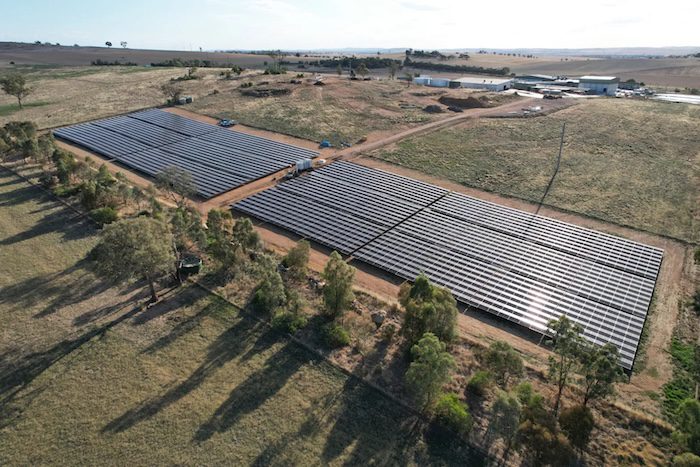
The solar farm, originally constructed by Climate Capital in 2023 with a capacity of 2.32 megawatts (MW), is undergoing an upgrade to meet the increasing power demands of Junee Prime Lamb. The abattoir plans to add an extra 2.6 MW to its existing array along with a 2.75 MW battery that offers two hours of storage.
Optimising Energy Use
According to the development application, the abattoir’s peak energy usage occurs in the afternoons when the cooling process for butchered meat takes place. To address this, the solar energy generated will help offset electricity consumption during daylight hours, extending into the evening hours when solar production ceases.
The introduction of the battery energy storage system (BESS) will supply electricity during the evening, thus reducing operational costs and ensuring the abattoir’s long-term viability amid rising energy prices affecting many sectors.
Climate Capital’s Role in the Project
Climate Capital, which holds ownership of the initial $3 million solar project, designed it with future expansion in mind. The company also has a 25-year behind-the-meter power purchase agreement (PPA) with the abattoir that allows it to sell power directly back to them. Climate Capital will also be responsible for the new solar assets.
Industry Trends in Renewable Energy
Junee Prime Lamb is not alone in its efforts to incorporate renewable energy. Hardwick Meat Works in Kyneton, Victoria, completed a similar project in 2022, featuring a 2.5 MW solar farm, a 2 MWh battery, and an industrial heat pump aimed at offsetting electricity used for water heating. They anticipate annual savings of approximately $508,000 from this $2.57 million investment.
Innovative Solar Design
The forthcoming solar farm, positioned to the east of the existing installation, is designed distinctly from large-scale solar projects. It proposes to utilise 12 blocks of panels arranged in a fixed east-west orientation, optimising sunlight capture during the mornings and afternoons, rather than relying on movement trackers.
The use of single and multi-axis trackers, which follow the sun’s path throughout the day, can often lead to higher operational costs and increased noise levels, as noted in the planning documentation.
Balancing Agricultural Land Use
In fertile regions like the Riverina, there are concerns regarding the potential loss of agricultural land associated with solar installations. The land targeted for Junee Prime Lamb’s expansion previously hosted crops and grazing activities. However, the development application highlights that the primary land use in the locality is the lamb abattoir, making the project beneficial to the local agricultural sector while potentially enhancing the environment through a cleanup of the area.
Traffic and noise associated with large renewable projects also raise objections, but Junee Prime Lamb benefits from a higher volume of traffic due to the daily delivery of 20-30 large trucks carrying sheep to the site. During the construction of the new solar farm, around 20 shipping containers of equipment are expected to be delivered, resulting in a minor estimated traffic increase of less than 5%.
For those interested in staying updated on clean energy developments, over 28,000 subscribers receive the latest news delivered directly to their inboxes through a complimentary daily newsletter.