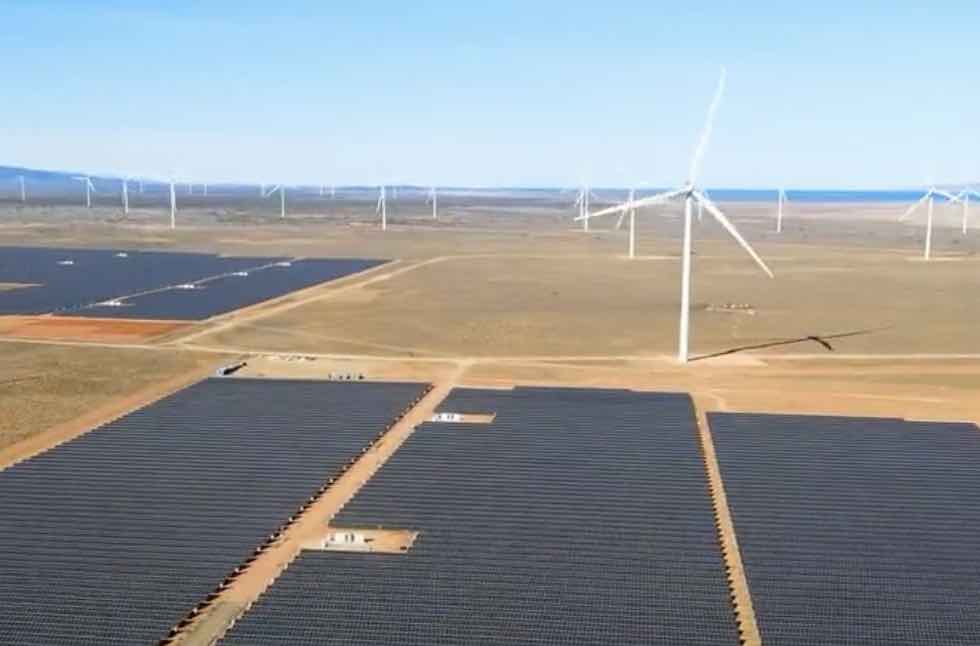
Nine Wind and Solar Projects Add 2.1 GW Capacity in Three Months
If Angus Taylor, the newly appointed leader of the opposition, believed in 2018 that Australia’s energy grid was overrun with wind and solar, he might be in for a surprise in 2026.
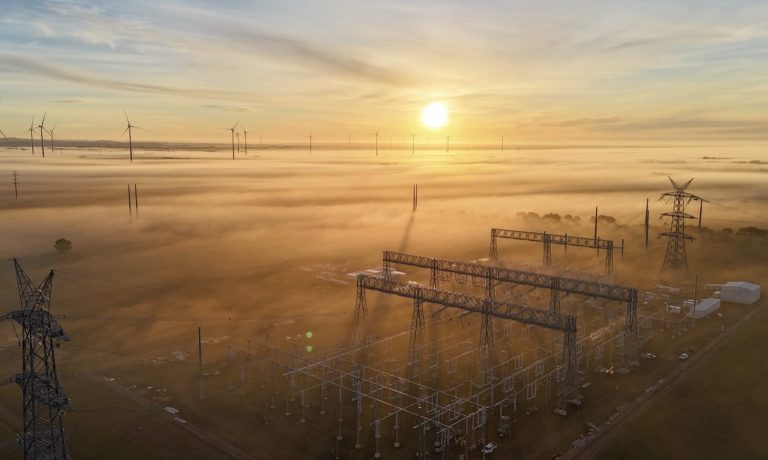
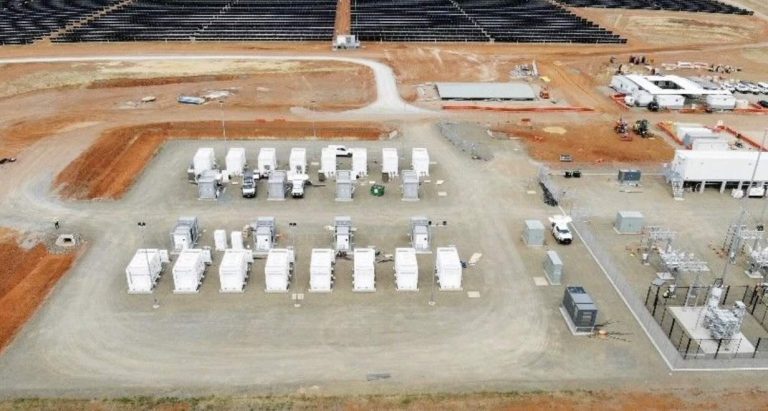
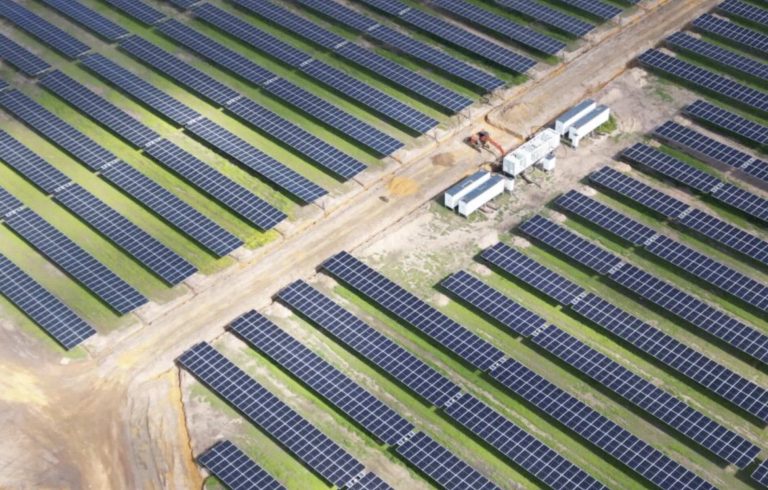
According to the latest statistics from the Clean Energy Council (CEC), nine wind and solar projects contributed a substantial 2.1 gigawatts (GW) of new generating capacity to the grid during the final quarter of 2025, along with 1 GW and 2.3 gigawatt hours (GWh) of battery storage.
A Leap from Past to Present
The CEC’s recent quarterly report highlights the remarkable progress Australia has made since 2018, when the country’s total installed renewable capacity hit 7.5 GW, marking a breakthrough for wind investment after a period of stagnation.
Notably, the latter part of 2025 witnessed more renewable capacity activated than in any previous quarter, surpassing the previous high of 1.3 GW achieved in the third quarter of 2021.
By the close of 2025, approximately 12.18 GW of renewable generation was either under construction or had confirmed financial backing, with battery storage capacity soaring to an impressive 13 GW and 34.7 GWh.
An Acceleration in Battery Installations
Battery capacity installation saw a significant upswing in 2025, where a total of 1.9 GW and 4.9 GWh were installed, eclipsing the cumulative figures from the preceding eight years.
“The last quarter of the year set multiple records for renewables,” stated CEC chief Jackie Trad on Wednesday. “In Q4 alone, 63% of the entire renewable generation capacity introduced in 2025 was achieved (2.1 GW). This scale of project activation in a single quarter is unprecedented in Australia.”
Furthermore, for the first time, renewable energy met more than half (51%) of the total electricity demand in the National Electricity Market (NEM) during Q4 2025. This share escalated to a peak of 77% during the extreme heatwaves in January, as reported by the Australian Energy Market Operator.
Trad emphasised that as more renewable projects come online, they are effectively fulfilling their role in stabilising the energy system as coal-fired plants are phased out. This indicates that Australia’s shift towards renewable energy is firmly underway.
A Bright Future Ahead
The CEC’s figures reveal that there are 81 renewable energy projects either being developed or financially secured, totalling nearly 13 GW. The battery sector also appears promising with 75 projects projected to deliver 13 GW and 34.7 GWh.
When discussing the potential reactions of political figures like Angus and others regarding the success of the renewable sector, Trad remarked, “The political parties in Australia have distinctly expressed their stances on energy transition, which were evaluated during the last election.”
She further noted, “Australians have shown their preferences concerning energy policies, and this should be the focus moving forward. In 2026, we see almost half of our energy sourced from clean energy, with one in three households equipped with solar panels and numerous Australians embracing the Albanese government’s Cheaper Home Battery scheme.”
Challenges in the Transition
Despite the progress, the transition to renewable energy faces a significant barrier: transmission. Trad quickly acknowledged the challenges of network access, suggesting that optimism exists surrounding potential reforms to the EPBC Act, which could streamline planning processes.
“There is considerable optimism from the industry regarding reforms to the EPBC Act,” she remarked. “Stakeholders are eager to consult with the government to ensure their projects can receive prompt decisions, be it affirmative or negative.”
The Impact of the Federal Election
While record-breaking achievements occurred in the final quarter, 2025 was not without its difficulties for Australia’s renewable sector, partially attributed to the federal election in May. This election was marked by a crucial debate on whether to progress with renewable energy or pivot towards nuclear technology—a stance still favoured by the Coalition.
The heightened activity recorded in late 2025 serves as an encouraging sign for what 2026 has in store, as investors and developers regain momentum following a period of uncertainty.
During this quarter alone, five energy generation projects, valued at $3.5 billion, secured financial closure, with four being wind projects that effectively revitalised investment in this technology.
A Regional Breakdown of Progress
New South Wales (NSW) emerged as the leader, surpassing Queensland with 39 projects under construction or financially secured, compared to Queensland’s 25. Victoria follows closely with 29 projects, while Western Australia has 24, illustrating a remarkable shift for a state that has evolved into a model for major grids reliant on renewable sources.
Overall, by the end of 2025, there were 143 active wind, solar, and battery projects, with total investments amounting to a staggering $38 billion.
Project Completion Timelines
The report also outlines the timeframes required to bring projects to fruition. Once a project navigates the planning rigor and a financial investment decision (FID) is made, it generally takes around two to three years to become fully operational, according to data from projects initiated between 2017 and 2025.
South Australia has proven to be the quickest region for project completion, with solar projects averaging 21 months, wind installations an impressive 23 months, and batteries taking roughly 20 months to come online.
Western Australia stands out as the only state with sufficient data on solar-battery hybrids, achieving an average completion time of 17 months.
Queensland’s Challenges
Conversely, Queensland, once a frontrunner in Australia’s energy transition, has recently stepped back due to new planning restrictions imposed by the Liberal Crisafulli government. Historical data indicates that the state has long faced construction challenges, with wind projects typically taking an average of 37 months and batteries 28 months to complete.
Battery Sector Developments in 2025
Australia’s battery sector has gained considerable attention, with 2024 marking the beginning of a significant trend continuing into 2025. Over the year, 11 projects comprising 1.9 GW of capacity and 4.9 GWh of energy achieved final commissioning, with 1 GW and 2.3 GWh attributed to the last quarter alone.
Nevertheless, the number of projects reaching financial closure appeared to stabilise in 2025, with 20 battery projects securing financing, representing a combined capacity of 4.2 GW and 13.4 GWh, larger than figures from previous years.