Local Energy Networks Push for Regulatory Changes to Achieve 100% Renewable Grid
Andrew Bills, chair of Energy Networks Australia, is advocating for regulatory changes and increased flexibility in how homes manage their energy assets. This change is crucial for local networks to effectively handle the growing consumer demand for a transition to 100 per cent renewable energy across the nation.
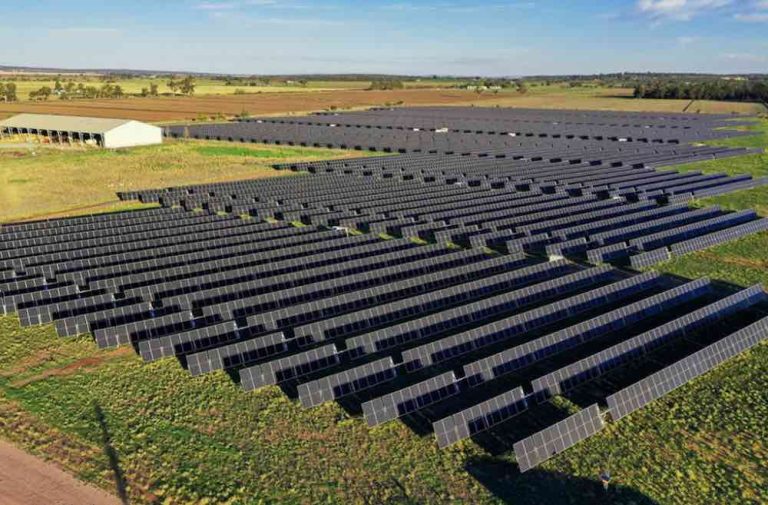
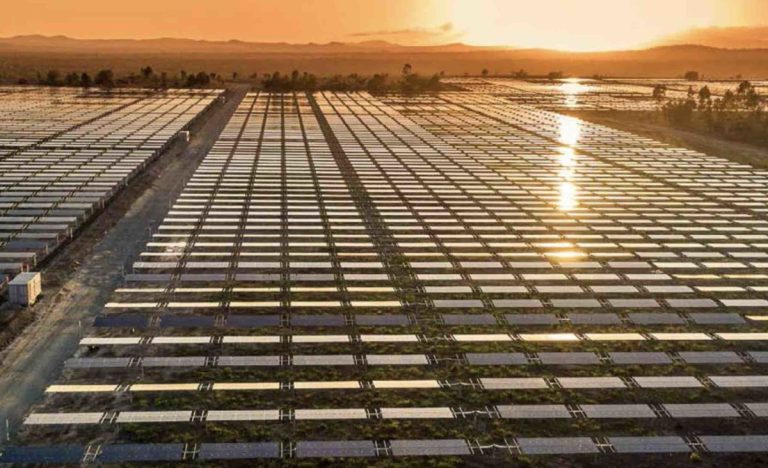
Bills, who is also the CEO of SA Power Networks, is at the forefront of this evolution, noting that rooftop solar power installations exceed grid demand approximately every other day throughout the year. In just 18 months, South Australia is poised to become the first gigawatt-scale grid globally to achieve a 100 per cent ‘net’ renewable status, currently running with a remarkable 75 per cent of its power sourced from wind and solar.
Households Leading the Charge
A significant portion of this solar energy is generated by households, with 48 per cent of all homes in South Australia contributing to a total capacity of 3.2 gigawatts of rooftop solar. This is particularly notable in a region with an average demand of less than half that capacity. The uptake of solar is not only impressive but has also set a record globally, and it is now being complemented by an accelerated adoption of home battery systems and heightened interest in electric vehicles.
Innovations in Managing Solar Energy
South Australia has had to be a pioneer in the technologies that manage this home energy transformation, initially relying on the rarely used ‘solar switch-off’ method when necessary to maintain grid security. This was later supplemented with more innovative technologies enabling flexible solar exports for households, effectively lifting restrictions on how much rooftop solar can be connected to the grid.
Currently, trials are underway for home energy management systems and tariffs designed to incentivise households to lower their electricity imports and exports during crucial times. “We understand that the most cost-effective electricity comes from customer energy resources—like rooftop solar and home batteries,” Bills remarked during his keynote address at the EN26 conference held in Adelaide on Thursday. “We encourage customers to think of energy like their produce—grow their own where possible and buy local when they cannot.”
Challenges Ahead for Regulatory Changes
However, such advancements necessitate careful consideration not only from Bills’ organisation and other networks but also from regulatory bodies and policymakers. In contrast to other countries, Australia’s electricity supply networks operate separately from retailers and generators. This permits networks to handle the physical connections between the grid and consumers, though traditionally, there is limited interaction with customers and competitive technologies like batteries.
There is a push to dismantle some of these barriers, allowing networks to step beyond their traditional roles. However, this is met with resistance from established utilities intent on preserving their interests, as well as from technology developers concerned about competition in the market. Consumer advocates are also cautious, recalling the previous ‘gold plating’ of the grid which significantly inflated electricity bills over a decade ago.
Increased Flexibility for Lower Costs
Despite these concerns, Bills is firm that this initiative is not about expanding the regulatory asset base. He highlights that much of the gap could be filled through aggregators and new technologies that enable flexibility. “By doing so, we can improve network utilisation without the need for excessive upgrades which ultimately benefits the customer,” he stated. In essence, the networks are pushing for incentives rather than punitive measures from regulators.
The goal of these networks is to evolve into distribution system operators (DSOs), as they believe they’re well-positioned to recognise grid opportunities and collaborate with technology developers, regulators, and retailers to provide tariffs that motivate households to engage with a two-way electricity flow, thus allowing them to be rewarded for their contributions and ultimately reduce costs.
Implementing a Two-Way Flow of Energy
Bills identifies two crucial steps for achieving this goal. First, it is essential for customers to export and import as much energy as possible via flexible connections while being rewarded for their adaptability—whether it involves reducing solar production or cutting back on energy-consuming loads like EV charging.
“In practice, this implies that we compensate customers for adhering to network constraints, which in turn helps us avoid costly network upgrades,” he explained. During the EN26 conference, themes of connection, flexibility, and trust were prevalent, emphasising the advantages of a shared and intelligent grid that offers value.
The Path Forward for Energy Networks
Furthermore, the next critical step involves permitting networks to function as DSOs, assuming the role of the system integrator for customer energy resources while jointly working with retailers and aggregators. This approach contrasts with the existing top-down framework provided by market operators and transmission companies.
Trust is pivotal to the discussions at this conference, especially considering consumer hesitance to participate in virtual power plants. Nevertheless, the networks maintain that they can provide consumers with control over their assets while also rewarding them for assisting the grid under their proposal.
The success of SAPN’s flexibility scheme is encouraging, with over 90 percent of new solar installations opting for flexible export options. Bills is optimistic that nearly 3 GW of older solar systems will convert, especially as premium feed-in tariffs are set to expire in 2028 and households update their setups.
Urgent Need for Regulatory Review
Currently, around 500 households are testing the home energy management technologies designed to automatically lower energy loads, starting with electric vehicles. The ongoing Energy Masters and Market Active Solar programme, in partnership with retailers Engie and AGL, is also in effect.
“We are making substantial strides,” said Bills. “However, there are several elements that could undermine our progress, and we believe these issues need urgent attention. The current regulatory framework does not support our envisioned future, and that warrants a reassessment.”
Bills highlights the importance of recognising customer energy resources as outputs of long-term system planning rather than merely inputs. He urges the AEMC, the body responsible for market rules, to assess and optimise the synergy between customer energy resources and large-scale resources during the ISP Review this year while also investigating new incentives to encourage local networks to maximise the benefits of their assets.
“We are in the advanced stages of designing this next phase, establishing a marketplace where participants can respond to network constraints across our entire network,” Bills concluded. “We are adapting successful models from the UK and enhancing them to align with our pioneering levels of customer energy resources.”