Liontown Resources: 80% Renewable Energy Shields Against Fossil Fuel Price Spikes
Gina Rinehart, Australia’s wealthiest individual and a vocal critic of renewable energy, is banking on a significant lithium mine investment that leverages high levels of wind and solar power. This strategic move is helping the company avoid the drastic price increases in fossil fuels triggered by the ongoing conflict in the Middle East.
Rinehart recently acquired a nearly 20 per cent stake in Liontown Resources to counter a takeover bid from a competing firm. Liontown boasts one of the largest hybrid renewable energy systems in Australia, achieving an impressive 82 percent share of renewables over the past six months.
Aligning with Government Targets
This 82 percent mark aligns perfectly with the federal government’s ambitious goal for the entire Australian grid by 2030. Liontown claims that its renewable energy investments are already yielding positive results at its flagship Kathleen Valley mine. “We are 80% renewable,” stated Liontown’s CEO Tony Ottaviano during an analyst briefing that highlighted its financial performance for the December half-year.
Ottaviano expressed confidence in their operational model, noting that the majority of their power is sourced from renewables. “On average, our total diesel cost is about 4% to 5% of our overall cost base,” he elaborated, indicating that the impact of diesel prices on their expenses is minimal.
Strategic Advantages in Renewable Energy
These remarks were made in response to concerns from analysts about the potential rise in mining costs due to soaring diesel prices stemming from the volatile oil and gas market in the Middle East. Unlike many other miners operating off the grid, Liontown has recognised the advantages of investing in wind, solar, and battery storage solutions.
While many operators are content with an 80 percent renewable energy share, some, including Rinehart’s competitor Andrew Forrest, are pushing for a complete transition to 100 percent renewable energy and full electrification by 2030 to eliminate fossil fuel use.
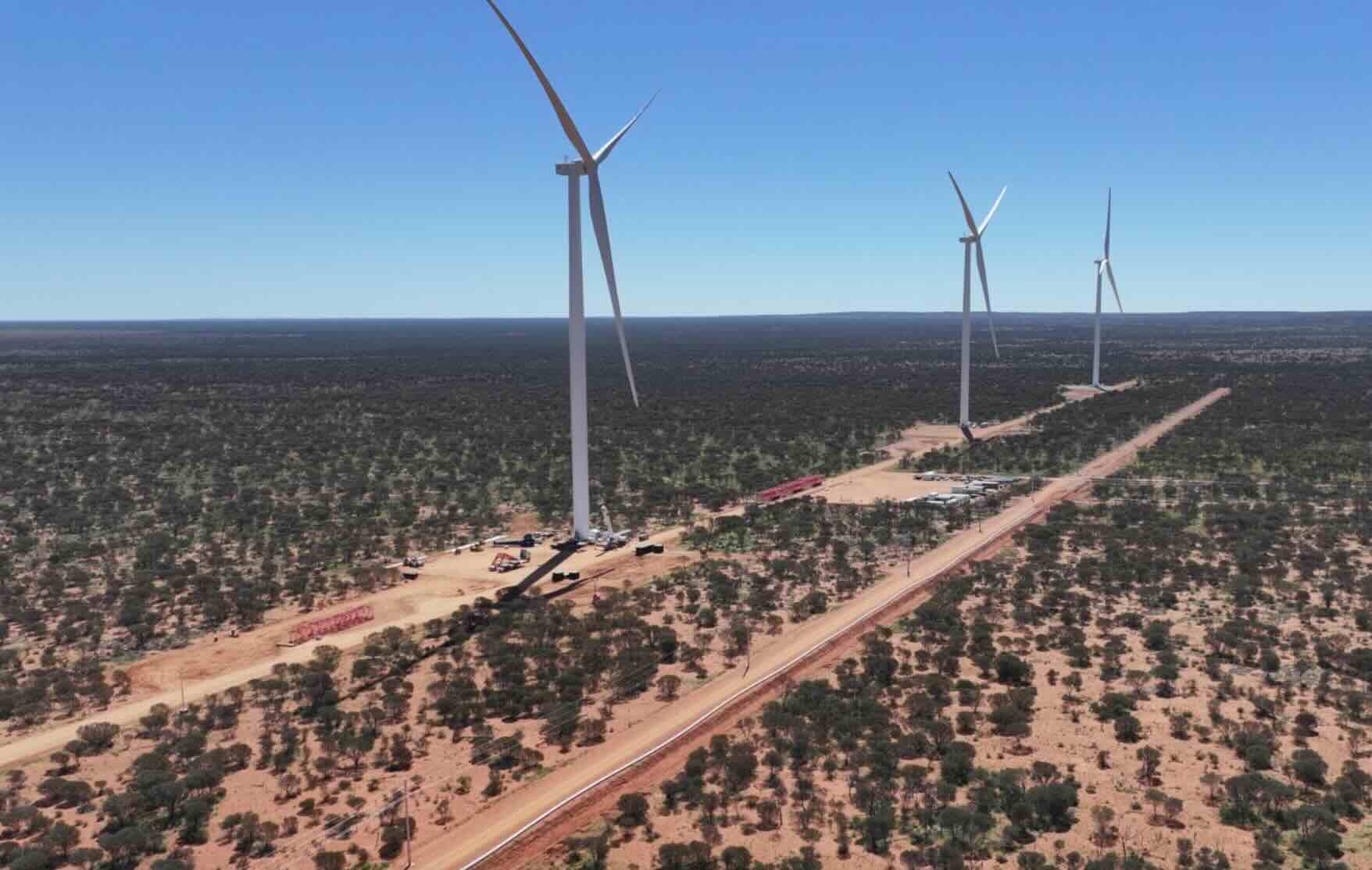
The hybrid power station at Kathleen Valley, constructed by Zenith Energy, boasts 30 megawatts (MW) of wind capacity, 17 MW of solar power, and a 17 MW, 19 MWh battery, having been commissioned last year. As reported by Renew Economy, the mine recorded an average of 81 percent renewable penetration during the 2025 fiscal year, achieving a new peak of 82 percent in the first half of the 2026 fiscal year.
Contrasting Perspectives in the Industry
This progressive outlook sharply contrasts with Rinehart’s repeated criticism of wind and solar energy, which she claims are ineffective, unreliable, unsightly, and detrimental to Australia’s agricultural capabilities. In contrast, Liontown is poised to benefit from the burgeoning demand for grid-scale batteries, which are crucial for supporting a grid increasingly reliant on renewable energy, as well as the expansion of electric vehicles — another business sector Rinehart has targeted.
For those looking to support independent media and accurate reporting, consider making a one-off donation or becoming a regular supporter of Renew Economy. Your contributions play a vital role in sustaining journalism that matters.