Intimidation Tactics Against Renewable Energy Landowners
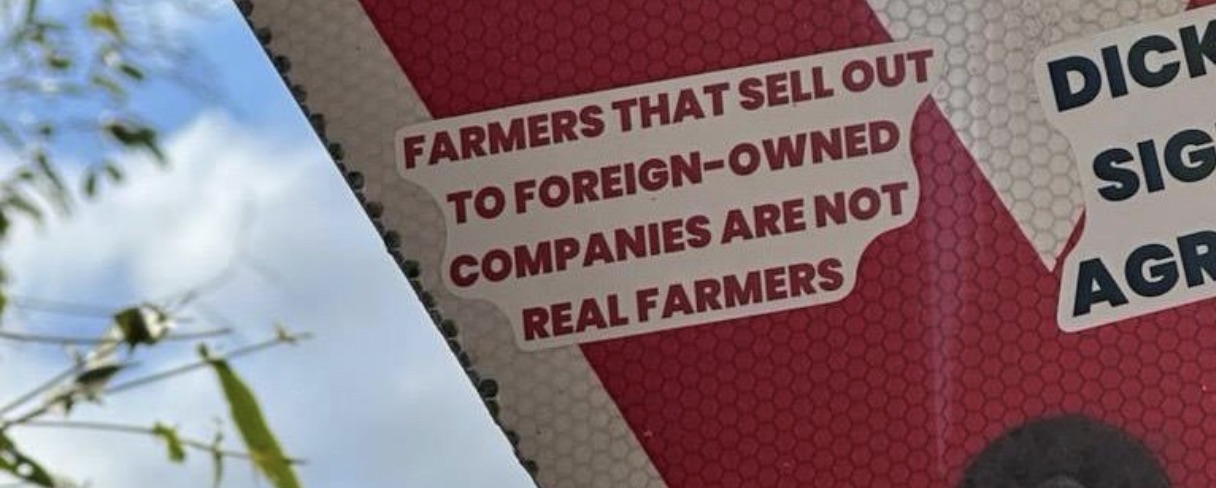
Verbal abuse towards children, boycotts targeting farming businesses, and the painting of threatening messages on roads are among the intimidation tactics employed against individuals hosting renewable energy projects. These alarming instances were highlighted in the Clean Energy Council’s submission to the Senate inquiry investigating climate and energy misinformation.
This submission stands out among the over 150 received, as it specifically addresses the treatment of individual landowners, echoing findings from the New South Wales Energy & Water Ombudsman.
Impact of Misinformation on Communities
William Churchill, a policy officer at the Clean Energy Council, attributes the deterioration of community relations and behaviour to the spread of false information online. He notes, “Clean Energy Council Members are reporting a direct increase in hostility and intimidation directed at farmers and their families hosting clean energy infrastructure.”
Churchill believes that this surge in aggressive behaviour is closely linked to the rise of misinformation circulating on digital platforms, which significantly contributes to escalating tensions within communities.
Senate Inquiry Focus
The Senate inquiry is examining campaigns of climate and energy misinformation, as well as the funding of “astroturfing” by both foreign and domestic organisations—essentially, orchestrated marketing campaigns masquerading as grassroots movements. Many submissions suggest that the government is a major source of these campaigns, with several individuals expressing concerns about large projects being situated near their homes.
However, it is the landowners who are bearing the brunt of the backlash from groups opposed to renewable energy projects in their vicinity. Churchill points out that online forums exacerbate these issues, stating, “The increasing misinformation circulating freely online is creating conditions that intensify psychosocial risk factors, leading to unsafe environments for hosts, workers, and community members.”
Consequences of Rising Tensions
He further explains that heightened tensions within communities unnecessarily escalate conflicts between renewable project hosts and neighbouring landholders, resulting in bullying, harassment, fear, and confusion, with some even facing threats to their lives.
The submission includes an anonymous case study detailing an incident where the daughter of a landowner hosting a renewable energy project was verbally attacked at a local pub by a member of an anti-renewables group. This group has since initiated a boycott of the landowner’s grain business, leading to a growing perception that opposition groups are coordinating efforts to economically isolate those who support renewable infrastructure.
Personal Accounts of Backlash
Another case study features Lachlan Sullivan, a farmer from Boomey, NSW, who attempted to address misinformation regarding the Kerrs Creek wind project during a community meeting last year. While he has received quiet support from some locals, he has also encountered significant backlash that has adversely affected his health.
Churchill reports that members of his organisation are witnessing key messages rooted in misinformation being widely disseminated through social media, media interactions, letterbox drops, community meetings, and planning submissions, all aimed at destabilising the renewable energy sector. “False claims spread rapidly, often amplified through emotionally charged framing and social media algorithms, fostering confusion and resentment within communities,” he explains.
He notes that identical text can frequently be found across various anti-renewables Facebook groups, illustrating the coordinated nature of these campaigns.
For those wishing to support independent media and promote accurate information, contributions to Renew Economy are encouraged, as they play a crucial role in sustaining informed discourse.