Innovative Solar Grazing Project in Deepwater
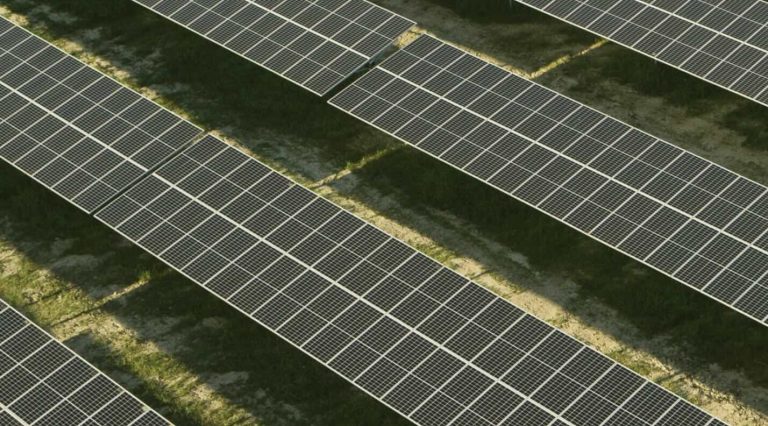
German developer Ib Vogt has put forward a new solar-battery project for Deepwater, a town nestled just inside the northern boundary of the New England Renewable Energy Zone (REZ). The proposal outlines a 120-megawatt (MW) solar farm paired with a 120 MW, four-hour (480MWh) battery system, which will connect to a 132kV overhead power line traversing the sheep and cattle grazing property.
The anticipated timeline indicates that construction on the project is set to commence by July 2026. The site is located 4km from Deepwater, a close-knit community known for its high rate of volunteering but also grappling with an unemployment rate that is twice the national average.
Development in the New England REZ
Ib Vogt has been actively involved in developing projects in Australia since 2016, with a total of 450MW of projects advanced and subsequently divested. Their initial venture into Australian renewables began with the establishment of an 11MW solar power plant in Williamsdale, near Canberra, in 2016. Subsequently, they sold the 90MW Sebastopol solar farm to Fotowatio Renewable Ventures (FRV) in 2020 and the 60MW Yanco solar farm to Origin Energy in 2022.
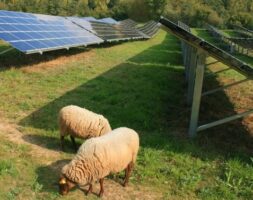
The scoping report for the Deepwater project highlights that the solar farm’s design will be optimised for coexistence with sheep. Solar grazing consultant Karin Stark emphasises the importance of early consideration of various factors to mitigate costs and prevent significant issues down the line.
Solar Farm Integration with Sheep Farming
Terry Daly, the Senior Development Manager, underscores the proactive approach taken by both the landowner and the developer in addressing these concerns. Ib Vogt primarily collaborates with sheep farmers across its Australian portfolio and is closely working with the landowner, a family with a century-long history on the farm, aiming to maintain its agricultural heritage while introducing diversification.
The developer has committed to installing internal fencing and troughs in each paddock within the solar farm to facilitate the movement of sheep around the panels. Additionally, security fencing will be erected around the project to safeguard against dingoes from the Capoompeta National Park.
Daly emphasises the importance of ensuring a clearance of 500mm between the bottom of the solar panels and the ground, particularly when the panels are at maximum tilt during the night, to prevent any entrapment of the sheep.
Furthermore, Ib Vogt will be engaging with a community unfamiliar with renewable energy developers in the area, given that the nearest solar or wind farms are located at least 50km to the southwest. The closest existing facilities include the White Rock 175MW wind farm and 20MW solar farm to the west of Glen Innes, along with the Squadron Energy-owned 180MW Sapphire solar farm and the operational 270MW wind farm further south.
Rachel Williamson, a science and business journalist focusing on climate change-related health and environmental issues, contributed to this article.