Home Battery Demand Soars, Has Rooftop Solar Market Peaked?
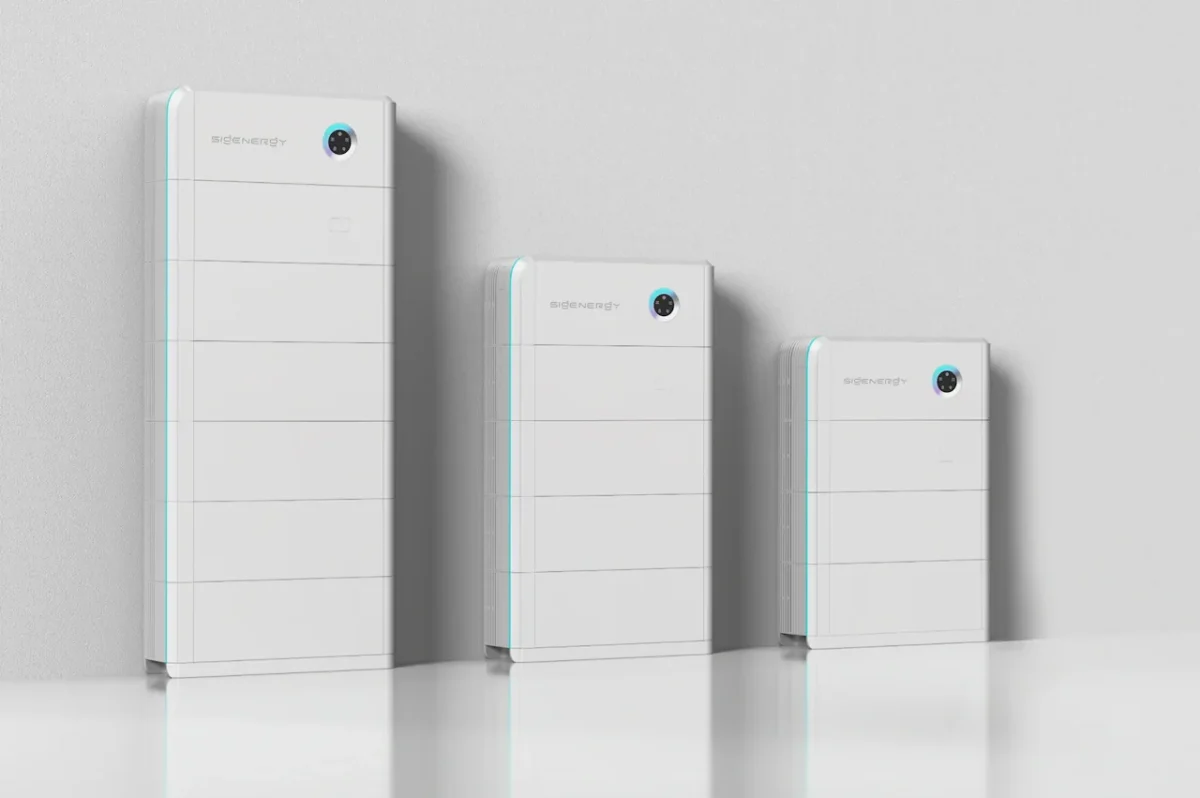
In just the last six months of 2025, Australian households embraced solar power by adding over 180,000 solar batteries, thanks to the federal Labor government’s Cheaper Home Batteries rebate. This remarkable initiative has propelled the total number of installed systems across the country to exceed 450,000 by the end of the year.
According to the Clean Energy Council’s latest bi-annual report, an impressive 183,245 home battery units were sold during the latter half of 2025. This figure almost matches (99%) the total sales recorded over a four-year period from 2020 to 2024.
Momentum Continues into the New Year
The trend did not slow down in January, as federal energy minister Chris Bowen reported mid-month that the number of home batteries installed since the launch of the rebate in July 2025 reached 200,000, and that number has since surged to 218,000. Bowen stated, “This means more Australians are taking control of their power bills and utilising their own clean, affordable energy as needed.”
He praised the Cheaper Home Batteries programme for providing substantial cost of living relief for households while also working towards a fairer and more reliable energy grid during peak demand periods.
Record Sales and Growing Demand
The CEC’s report, released this week, indicates that the rolling 12-month average for quarterly battery sales has reached a new high of 67,169. By the end of 2025, a total of 454,473 battery units had been installed across Australia, a figure that has more than doubled from the end of 2024 when sales were recorded at 185,798 units.
Jackie Trad, Chief of the Clean Energy Council, remarked on the growing appetite for independent energy solutions: “Clearly, Australians’ demand for energy generation and storage is substantial. The Cheaper Home Battery programme has significantly increased this enthusiasm, making it more affordable for many.”
Solar Energy Uptake Shows Signs of Slowing
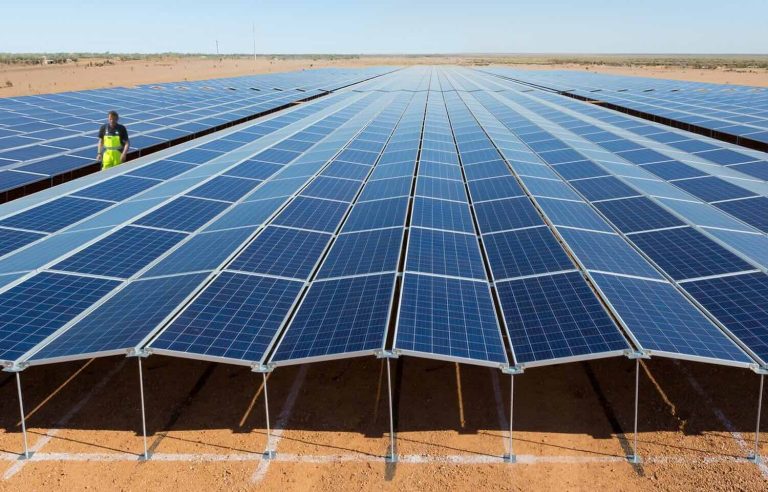
However, while interest in batteries is booming, the CEC report indicates a decline in the uptake of small-scale rooftop solar installations. A total of 139,080 rooftop photovoltaic (PV) systems were installed in the latter half of the year, which translates to 1.5 gigawatts (GW) of capacity and brings the total for 2025 to 2.6 GW from 254,664 installations.
This marks the first time since 2020 that annual rooftop PV installations fell below 300,000, leading to speculation that the market may have reached its peak as consumer interest shifts towards small-scale battery systems.
Continued Benefits of Solar Power
Nevertheless, Trad maintains that Australia’s commitment to solar energy continues to yield significant benefits, noting that the newly installed capacity in 2025 is nearly equivalent to that of the country’s largest coal-fired power station, the 2.9 GW Eraring power station in New South Wales.
As recently highlighted, the extensive adoption of home solar and battery systems has helped alleviate grid demand during critical periods, preventing blackouts amid recent extreme summer heat.
A National Achievement in Renewable Energy
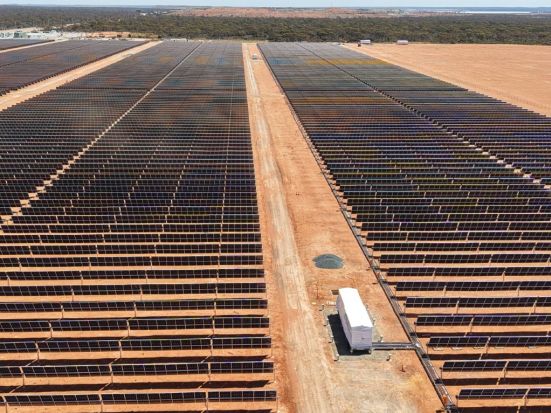
Trad regards the proliferation of rooftop solar as a national success story, with Australia’s total installed capacity now reaching 28.3 GW, surpassing the 22.5 GW capacity of the entire coal-fired generator fleet. “We not only lead national renewables efforts but also outpace the rest of the world on a per capita basis,” she stated.
With over 4.3 million households participating in solar power generation, Trad explained that this shift has been instrumental in reducing electricity costs for both consumers and businesses, minimising reliance on expensive gas and unpredictable coal.
As older coal facilities, such as Callide in Queensland, become increasingly unreliable, they exert upward pressure on wholesale electricity prices, leading to increased bills for consumers. Trad argues for hastened transition towards clean energy sources in response to the growing unreliability of these traditional power stations.
Encouraging Participation in Virtual Power Plants
Trad emphasised the importance of boosting participation in virtual power plants (VPPs) in light of the home battery rebate’s success. “We know energy customers involved in VPPs boast the lowest power bills in Australia,” she stated, referencing Australian Competition and Consumer Commission (ACCC) research that shows households combining rooftop solar and batteries could save an average of $106 by opting into a VPP.
She highlighted the need for stakeholders in industry and government to collaborate in raising awareness and understanding about the numerous benefits associated with VPP participation, with the goal of further reducing energy costs for consumers.
If you’re interested in staying updated with the latest clean energy news, consider subscribing to our free daily newsletter, joining over 29,000 subscribers.