Gigawatt Solar Project Approved for Rio Tinto’s Smelter Transition
A key solar initiative within Rio Tinto’s strategy to transition away from coal power at its Gladstone facility by 2029 has received the green light for development, paving the way for construction to commence.
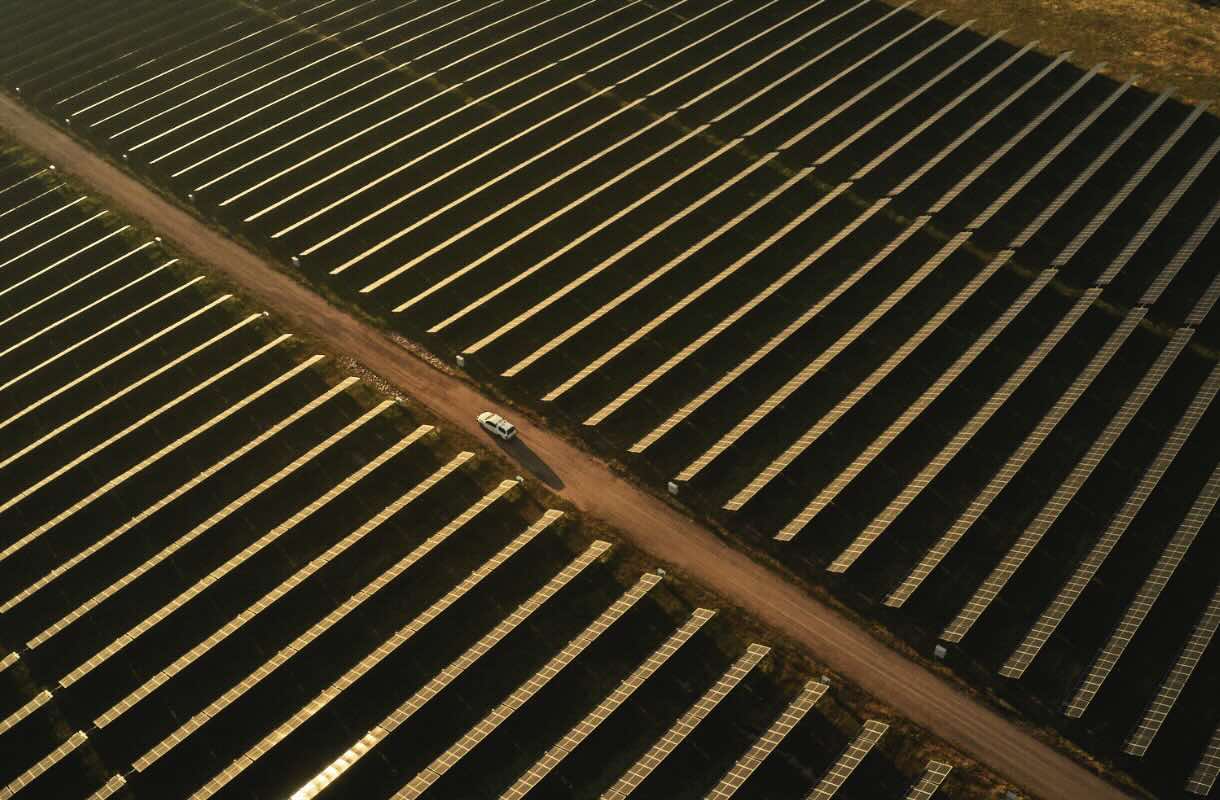
The Upper Calliope solar project, boasting a capacity of 1.1 gigawatts (GW), was officially approved by the Gladstone regional council late last week. This marks a significant milestone for the ambitious solar endeavour.
Now that it has secured both necessary development approvals and federal environmental clearances, the project is set to move forward.
Project Details and Impact
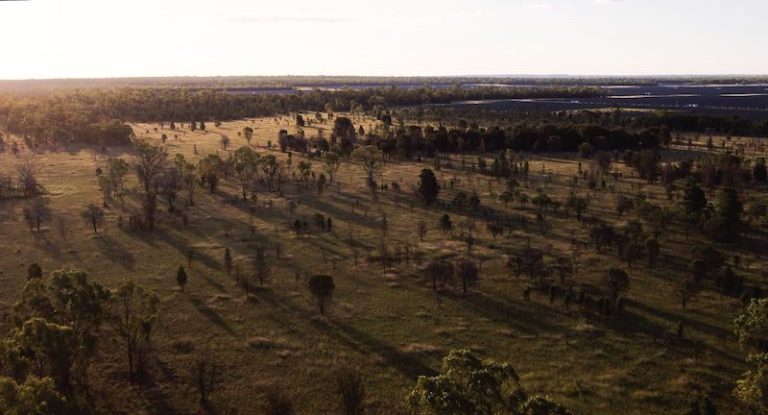
The Upper Calliope project, developed by European Energy, is situated 50 kilometres west of Gladstone, encompassing an area of 8,000 hectares spread across 12 lots and road reserves. It benefits from the nearby Calliope River, with the landscape predominantly consisting of cleared agricultural land. According to the project’s website, one-third of this expanse will be dedicated to solar energy generation, while the remaining two-thirds will allow for ongoing grazing activities.
Once operational, the Upper Calliope project will be the largest solar installation in Australia, a title it is expected to hold until the advent of major solar initiatives like the proposed 20 GW SunCable project in the early 2030s.
Supporting Renewable Energy for Industrial Use
The solar power generated will be integral to Rio Tinto’s energy needs for the Boyne Smelter in Gladstone, as well as the Yarwun and Queensland alumina refineries, effectively replacing the coal-fired power station that is slated for closure in 2029.
Rio Tinto has committed to a power purchase agreement (PPA) covering the entire output of the solar project for a remarkable 25 years—an unusually long period for such contracts, and at the time, the largest PPA in Australia.
Alongside this, Rio Tinto established a similar agreement for the 1.4 GW Bungaban wind project, showcasing its commitment to renewable energy solutions.
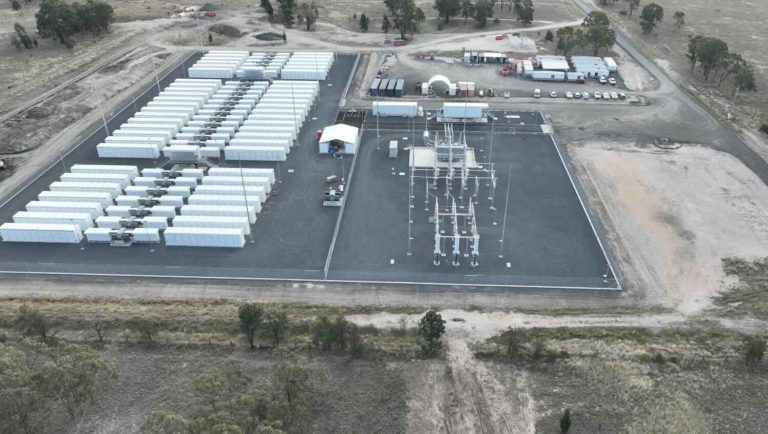
In March of this year, the company further solidified its renewable energy strategy by signing a substantial solar and battery storage contract with Edify Energy. This agreement aims to secure energy supply for its smelter and refineries, which rank among Australia’s largest energy users. The contract includes a 600 megawatt (MW) / 2,400 megawatt hour (MWh) battery system paired with 600 MW of solar sourcing from adjacent Smoky Creek and Guthrie’s Gap solar installations.
Glimpses of the Future
Rio Tinto has hinted at the possibility of closing the ageing 1,680 MW Gladstone coal-fired power station earlier than planned, potentially in March 2029, coinciding with the expiry of electricity contracts for its smelter and refineries.
In other instances, where Rio Tinto lacks ownership over nearby coal power facilities, the company has successfully negotiated favourable electricity agreements with governments. A recent example occurred in December when it secured a reduced power tariff for the Tomago smelter in New South Wales, following threats of closure due to escalating energy expenses.
For those interested in staying informed, over 28,000 subscribers currently receive the latest news on clean energy directly to their inbox each day—sign up for free to join them!